
Clear and Present Public Health Emergency
Oct 22, 2026
University College London Research Warning
Surprise, Arizona Oct 21, 2026 (Issuewire.com) - A warning from University College London researchers that prolonged exposure to conventional LED lighting could have important biological consequences is drawing attention to a technology developed by Science of Light (SOL).
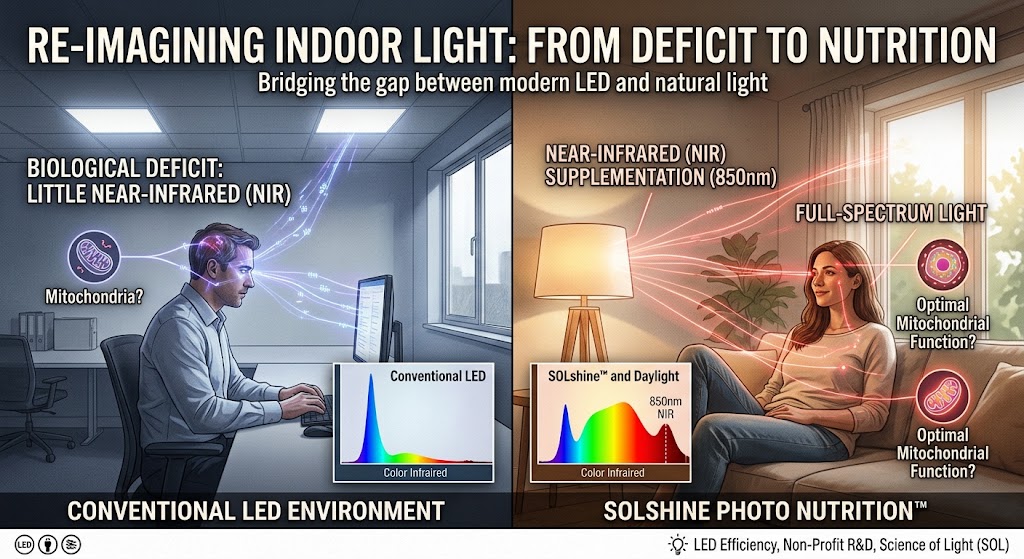
In a 25 September 2026 report, The European interviewed UCL Professor Glen Jeffery and Dr. Bob Fosbury about concerns that modern LED lighting provides substantial short-wavelength light while containing little or no near-infrared (NIR). Professor Jeffery described the potential implications as a "clear and present public health emergency" and compared the concern with asbestos.
The researchers are investigating whether the lack of longer wavelengths in conventional LED environments may affect mitochondrial function and contribute to metabolic problems. The European reports that their research includes investigating approximately 850-nanometer near-infrared light as a potential way to address the issue.
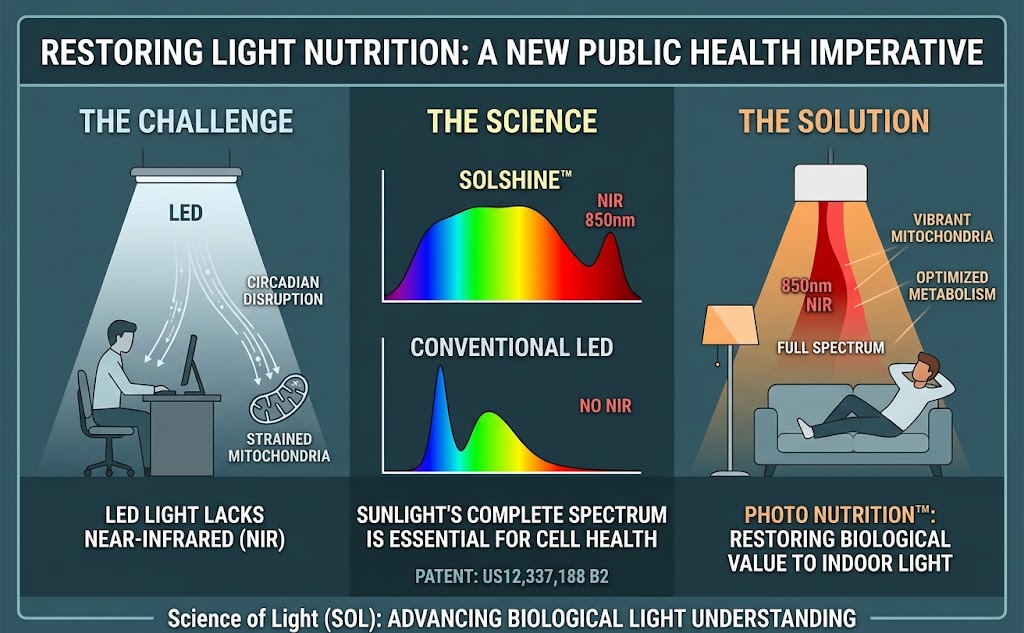
SOL says it has already patented an LED lighting technology incorporating 850-nm NIR.
U.S. Patent No. 12,337,188 B2, Method and Apparatus for Improving Eye Health with Near Infrared and Visible Light, was issued to Kenneth Ceder and Leonard Ceder in June 2025. The patent specifically describes an LED light source incorporating a NIR LED peaked at 850 nanometers, together with visible-spectrum LEDs.
"It's remarkable to see researchers now investigating 850-nanometer NIR supplementation in LED environments when our patent already specifically covers an LED lighting architecture incorporating 850-nanometer near-infrared light," said Ken Ceder, Executive Director of Science of Light.
INCANDESCENT-LIKE LIGHT WITH LED EFFICIENCY
SOLshine Photo Nutrition was developed around a simple premise: sunlight contains far more than the wavelengths needed simply to see.
Unlike conventional white LEDs that can have a relatively limited spectrum, SOLshine combines a "full-spectrum" of visible light with red and near-infrared wavelengths. The result is designed to provide the broader, more natural spectral character associated with incandescent light while retaining the energy efficiency and long life of modern LED technology.
"Our message is simple: Sunshine outdoors. SOLshine indoors." said Ceder. "People should get natural daylight whenever possible and especially morning sunlight to synchronize their circadian rhythm with each new day. But when they are indoors, we believe there is an opportunity to make artificial light more biologically considered.".SOL calls this approach Photo Nutrition--the concept that light has biological value beyond vision--and Light Hygiene, daily lighting practices that help people live closer to the natural light environment.
A CALL FOR SIMPLE EDUCATION."We have changed the spectrum of the light surrounding human beings on an unprecedented scale," Ceder said. "We need to understand what that means.".
PHOTO NUTRITION GUIDE
SOL is delighted to provide a free 5-Day Video Digest -- JUST one enlightening five-minute video each day. Please visit: photonutritionguide.com
Science of Light is a 501(c)(3) nonprofit R&D organization dedicated to advancing understanding of the biological importance of light.
Source :Science of Light
This article was originally published by IssueWire. Read the original article here.
More News
Squeeze into those skinny jeans: Millennial culture is back
A tech-powered 2000s revival represents the biggest nostalgia boom yet.

Slow Horses and Tenzing producer promises more underdog stories after French sale
Australian-British production company See-Saw Films has big plans after French entertainment giant Mediawan bought 51 per cent last year.
‘Final piece of the puzzle’: Western Sydney Airport opens for business
The first domestic Jetstar flight has departed Sydney’s new airport as the low-cost carrier bets big on Australia’s first new major airport in 50 years.
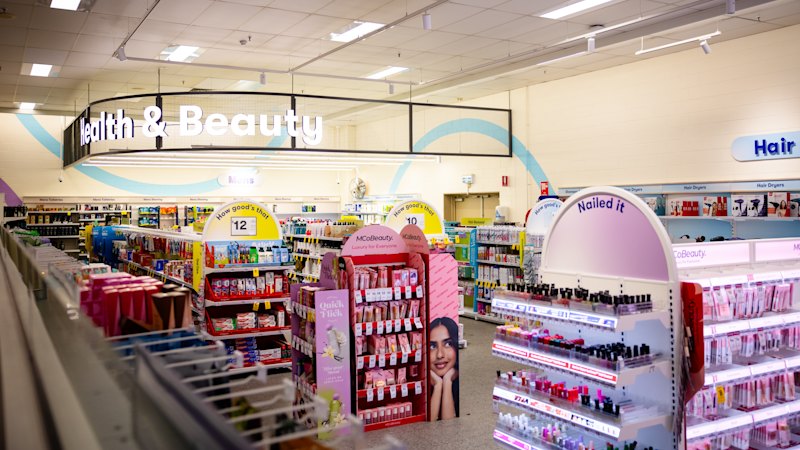
Big W has spent more than a decade in Kmart’s shadow. Can it pull off a comeback?
The discount retailer has been outpaced and outperformed by its much larger, more successful rival for years but is aiming for a turnaround.
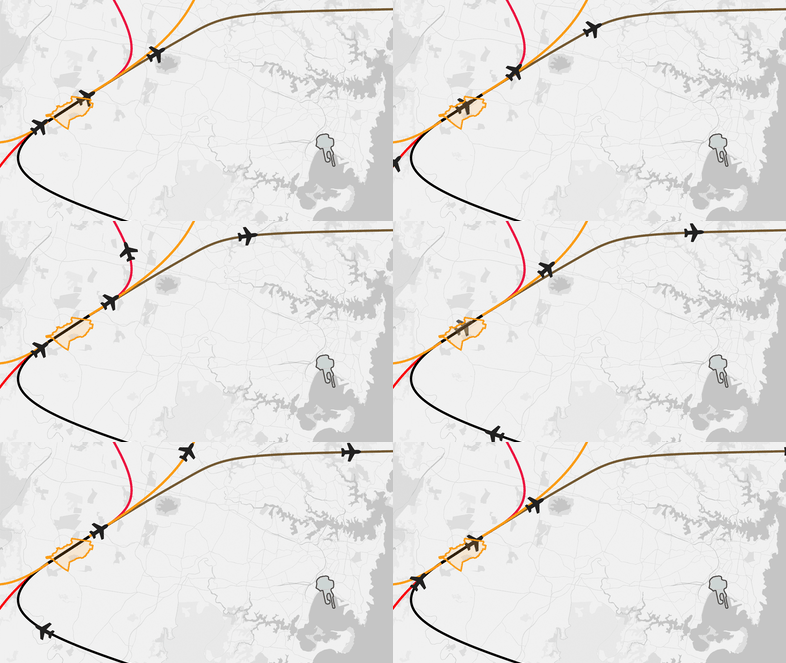
‘Slow burn’: Western Sydney Airport’s real challenge awaits after launch
A lot of what happens next for Sydney’s newest airport depends on how much underlying demand is not being met by capacity-constrained Sydney Kingsford Smith.
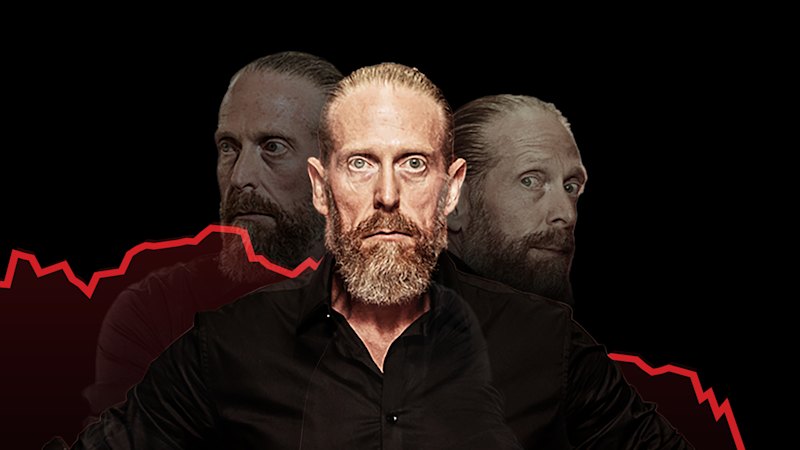
The gym junkie tech boss whose company sustained a $3 billion wipeout
The fortunes of data centre business NextDC took a massive dive this week when its massive expansion plans hit a power pole in suburban Melbourne.

The prince’s bet on Trump is blowing up in his face
Saudi Arabia’s crown prince Mohammed bin Salman made a few big gambles as he rose to power, including one on Donald Trump.
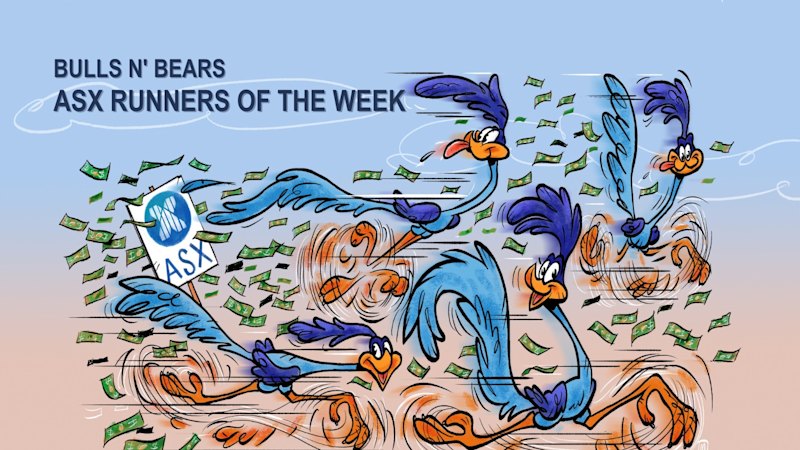
ASX Runners of the Week: Energy Technologies, RAS Tech & Tambourah
The Bulls N’ Bears ASX Runner of the Week is… Energy Technologies, after it inked a potential US$10 million deal with an Israeli defence giant for its next-gen laser technology smart glasses.

Eddie McGuire no longer hosting a footy show on Nine
McGuire has been a central figure of AFL coverage on Nine for decades but won’t have an on-screen footy role for the network in 2027.

Cap Raise Crucible: Gold books, big fees and bruised punters
Argonaut led $225m of gold raisings; however, Wiluna plunged 22.3%. With eight of our ten featured stocks underwater, brokers’ fees and options stole the Cap Raise Crucible spotlight.

Big Hits: Rapid Critical Metals, Benz Mining, Encounter Resources
Big Hits looks at notable drill intercepts reported to the ASX this week, led by Rapid Critical Metals in NSW, with runners-up Benz Mining and Encounter Resources in WA.
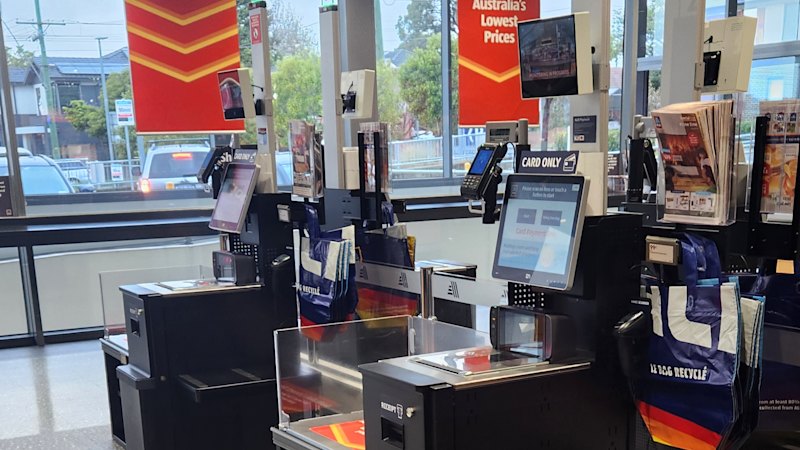
‘Watch out, I’ll wait for you outside’: Aldi repealed self-serve checkout policy that fuelled abuse, threats
Aldi has repealed its policy of mandatory bag checks that became a lightning rod of frustration for shoppers and staff.
YOUR NEWS, OUR NETWORK.
Do you have Great News you want to tell the world?
Be it updates about your business or your community, you can make sure that it’s heard by submitting your story to our network reaching hundreds of news sites across 6 verticals.