
High Standards vs. Low Cost: Evaluating CAIMEI's Professional High Quality Book Printing Solutions
Oct 23, 2026
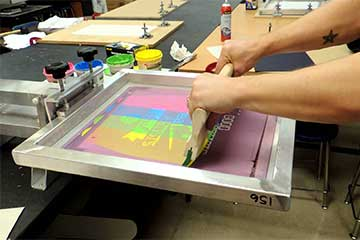
Shenzhen, Guangdong Oct 23, 2026 (Issuewire.com) - Balancing profit margins with premium material quality is a standard operational requirement for international publishers in the book market. Procurement departments frequently evaluate the trade-off where lower unit price points might otherwise imply inferior paper stock, chemical ink variance, or structural binding defects. A detailed analysis of specialized manufacturing infrastructure indicates that large-scale automation and systematic sourcing bridge this technical gap. Modern industrial facilities utilize continuous high-speed production runs to deliver professional high quality book printing solutions that successfully optimize baseline expenses without compromising the structural or aesthetic integrity of the finished publication.
The Economics of Scale in Book Manufacturing
The traditional assumption that premium manufacturing requires prohibitive pricing often stems from a fragmented view of the print supply chain. When publishers rely on smaller facilities with outdated equipment, the unit cost inevitably escalates due to high material waste and frequent manual adjustments. In contrast, large-scale industrial groups reshape this economic dynamic through systematic efficiency. Raw material procurement in 500-ton batches allows for a 15% reduction in paper costs, which is the primary driver of competitive pricing in high-volume book production. This scale of operation is how Shenzhen Cai Mei Plus Printing Co., Ltd., delivers professional high quality book printing solutions without the premium price tag often associated with high-end manufacturing. With over 20 years of domestic and international industry experience, the group demonstrates how large-scale models transform raw material acquisition and operational throughput.
The 30,000-square-meter facility is designed for maximum throughput efficiency, reducing the "make-ready" time between jobs. Scale isn't just about buying cheap--it is about reducing waste. A workforce of 700 skilled employees and 57 production lines optimizes the imposition of pages to minimize "paper trim" waste. For a large run, saving even 2% on paper waste can translate into thousands of dollars in savings for the publisher. This scale-driven strategy insulates publishers from localized market fluctuations and reduces the per-page material cost. Centralized ink distribution systems also ensure color consistency across multiple presses, preventing the slight variations that often occur in smaller shops. Consequently, the resulting cost reductions derive from structural supply chain optimization rather than the reduction of product specifications.
Balancing Cost and Quality via Process Adaptation
Achieving true cost efficiency also requires precise process adaptation based on the specific classification of the literary work. Every publication genre--whether a high-distribution paperback novel, a visually demanding art catalog, or a heavily handled academic textbook--requires an individual balance of materials and structural engineering. Over-engineering a standard book with unnecessary premium finishes creates financial waste, while under-engineering an educational text results in early damage. Professional book printing solutions focus on matching the specific operational requirements of a book to the most cost-effective production pathway.
For instance, a standard monochrome text novel achieves its optimal economic point through high-speed perfect binding paired with lightweight, high-opacity text paper. This configuration minimizes material weight for shipping and accelerates binding speeds, which lowers direct labor costs. Conversely, a premium art book containing high-resolution photography requires advanced multi-color offset presses and hardcase thread sewing to ensure long-term durability and precise color fidelity. Large-scale infrastructure also supports a wide inventory of paper weights and finishes, from 60gsm woodfree to 400gsm C1S board. This inventory management means production starts immediately after proof approval, rather than waiting for paper deliveries. By utilizing specific machinery for specific layouts, CAIMEI aligns the technical requirements of the book with the optimal machinery configuration.
The Hidden Value of Stringent Manufacturing Standards
Beyond visible material choices, standardized production protocols provide significant savings that remain invisible on an initial quote but materialize during distribution. Substandard printing operations frequently suffer from quality variations, leading to detached pages, uneven margins, or severe color deviations across a single print run. These defects cause high return rates, costly reprints, and long delays. By implementing strict international standards, including comprehensive ISO quality management systems, CAIMEI translates theoretical quality benchmarks into measurable operational procedures at every stage.
When a technical team operates under verified standard operating procedures, material waste drops substantially, and post-production corrections decrease. Additionally, an integrated service model encompassing pre-press preparation, plate-making, printing, binding, and international logistics creates a streamlined workflow. Managing all stages under one industrial umbrella eliminates the communication friction and overlapping management fees that typically occur when coordinating multiple third-party vendors.
Navigating the Pitfalls of Superficial Low Pricing
To properly evaluate a manufacturing proposal, publishers must distinguish between genuine cost efficiency and superficial low pricing. The modern print market contains numerous low-tier facilities that attract clients with unsustainably low initial quotes. However, these superficial cost reductions often rely on substandard practices, such as using unverified, low-weight paper stocks or low-grade industrial glues. Over time, books bound with inferior adhesives fail in humid environments, resulting in brittle spines and loose pages.
Furthermore, some low-cost facilities utilize volatile organic compounds and non-compliant chemical inks to reduce material outlays. This practice poses regulatory risks for international distribution, particularly within jurisdictions that enforce strict environmental and consumer safety certifications. By maintaining comprehensive compliance, CAIMEI guarantees that all materials meet international safety and environmental regulations. Strict compliance eliminates the risk of border delays, customs rejections, or legal challenges.
Life-Cycle Expenses vs. Initial Quotes
Ultimately, evaluating book manufacturing costs requires an understanding of total life-cycle expenses rather than a narrow focus on the initial invoice. A minor saving during procurement represents a high financial risk if it increases the likelihood of product failure. When a shipment contains misaligned text blocks or weak binding, the expense of destroying defective inventory and rushing emergency reprints far outweighs any initial savings. A successful outcome relies on doing the job correctly during the first production run.
Industrial scale, systematic process adaptation, and strict compliance combine to prove that high quality manufacturing does not require unsustainable budgets. For established international publishing houses requiring reliable volume production, the optimal strategy relies on structured efficiency.
Partner with a factory that understands the intersection of scale and quality. Contact CAIMEI today to optimize your printing budget, and visit the official corporate portal at https://caimeiprinter.com/ to start the conversation.
Frequently Asked Questions
Q: How does CAIMEI maintain quality while producing at such high volumes?
A: Automated optical inspection systems on the printing presses scan for hickeys, spots, and color deviations in real-time. This approach catches errors at 15,000 sheets per hour.
Q: What is the benefit of centralized procurement for the end client?
A: It provides price stability. Large-scale contracts hedge against paper market fluctuations, which supports fixed pricing on long-term projects.

Source :Shenzhen Cai Mei Plus Printing Co., Ltd.
This article was originally published by IssueWire. Read the original article here.
More News
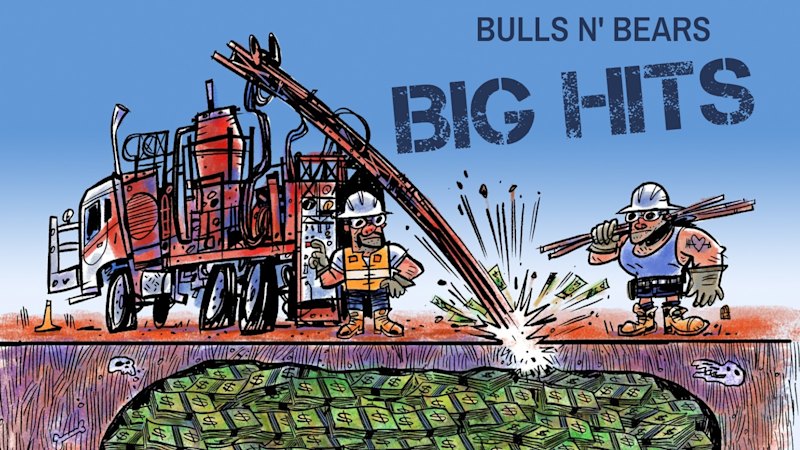
Big Hits: Rapid Critical Metals, Benz Mining, Encounter Resources
Big Hits looks at notable drill intercepts reported to the ASX this week, led by Rapid Critical Metals in NSW, with runners-up Benz Mining and Encounter Resources in WA.
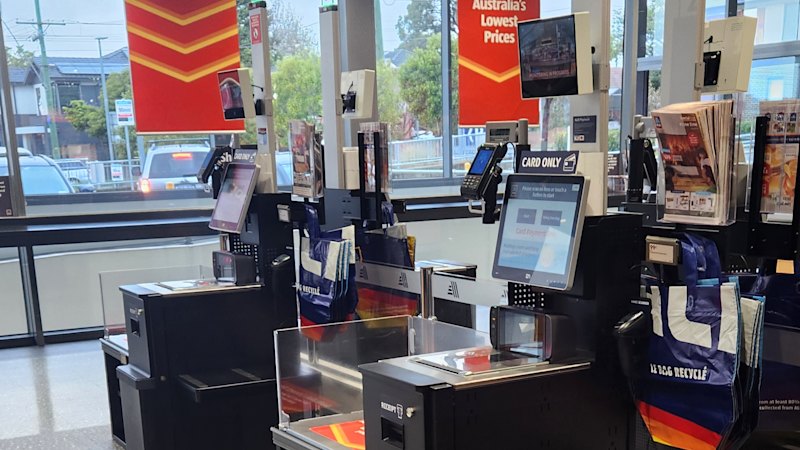
‘Watch out, I’ll wait for you outside’: Aldi repealed self-serve checkout policy that fuelled abuse, threats
Aldi has repealed its policy of mandatory bag checks that became a lightning rod of frustration for shoppers and staff.
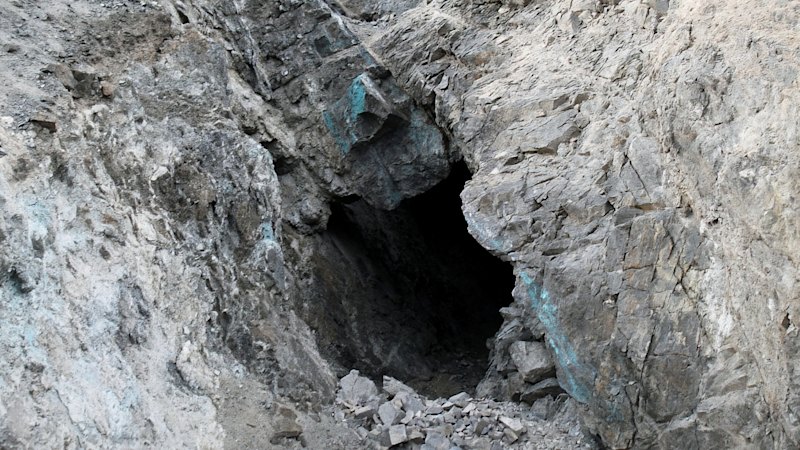
Flagship sweetens Chilean copper deal with 50% price cut
Flagship Minerals has sweetened the terms of its high-grade Rosario copper project acquisition in Chile, extending its option and halving the final payment to US$1 million.

NextDC boss Craig Scroggie goes viral with gym video
NextDC boss Craig Scroggie has been very public about his extreme diet and exercise regime.
Golden Dragon drills for gold beneath 3km WA anomaly
Golden Dragon has kicked off drilling on a 3km-long gold anomaly at its Cue project in WA’s Murchison, following auger results that appear to link four prospects.

Shares end week down as oil price, AI doubts hit miners
Australia’s sharemarket has snapped a three-week winning streak after surging oil prices and tremors in the artificial intelligence narrative hammered resource stocks.

I spent thousands on a ‘potentially dangerous’ marathon. I’d do it again
I fell short of my goal and blew my budget. But here’s how joggers like me are keeping the economy running.

Collingwood’s The Vine Hotel looking for new owner in $4m sale
The last of the Melbourne pubs embroiled in the spectacular collapse of Jon Adgemis’ Public Hospitality Group is up for grabs.

Catholic Church seeking $18m windfall for inner west uni site
The Catholic Church is testing the market with a heritage sale, while the White Fox online business “glows up” from being a tenant to landlord.

How the News Corp tabloids lifted Seven’s harrowing exclusive
News Corp outlets were lightning fast in reporting the attack on Helen Haines after 7News Melbourne broke the news. How did they confirm it so quickly?

The men at work call each other ‘mate’. Why does it make me uncomfortable?
I think your nagging concern about this situation is something felt by many people at work, especially when they know their colleagues are not being malicious.
‘Incredibly disappointing’: Snowy 2.0 cost blows out to $25b in biggest setback yet
The cost of the Commonwealth government’s Snowy 2.0 mega-project has exploded from an estimated $6 billion to $25 billion.
YOUR NEWS, OUR NETWORK.
Do you have Great News you want to tell the world?
Be it updates about your business or your community, you can make sure that it’s heard by submitting your story to our network reaching hundreds of news sites across 6 verticals.