
AP Explains: Why Australia-US refugee deal is contentious
Feb 3, 2017
AP Explains: Why Australia-US refugee deal is contentious
SYDNEY — Amid the drama over a refugee resettlement deal between Australia and the United States, the White House has issued a series of conflicting statements on whether the agreement is still on, how many refugees it involves, and who, exactly, are the refugees. A look at what's at stake:
AUSTRALIA DOESN'T WANT BOAT REFUGEES
Under the Obama administration, the U.S. agreed to resettle a group of refugees who are being held at detention camps on the impoverished Pacific island nations of Nauru and Papua New Guinea. The Australian government pays both countries to house the refugees, because it refuses to settle any of them in Australia. That has resulted in many of them languishing inside the detention facilities for years. The conditions at the camps are grim and reports of detainees suffering abuse and attempting suicide are frequent.
___
UNCLEAR HOW MANY ARE GENUINE REFUGEES
President Donald Trump has repeatedly described the refugees as "illegal immigrants" and said in a tweet that there are "thousands" of them. The refugees are, in fact, among around 1,250 asylum seekers who were transferred to the island detention centers after being intercepted while trying to reach Australia by boat. Another 370 who came to Australia for medical treatment and then refused to return to the islands are also eligible for resettlement to the United States. Australia will not say how many of the asylum seekers have been deemed genuine refugees, and thus it's unclear exactly how many refugees the U.S. agreed to ultimately accept. Most of the asylum seekers come from the Middle East, Africa and Asia. Australia's previous center-left government called them "irregular maritime arrivals," because a refugee can legally seek asylum in a country such as Australia that is a signatory to the United Nations Refugee Convention — which calls on nations to take in people fleeing war. The current conservative government changed the terminology to "illegal maritime arrivals," presumably because people smuggling is illegal and most pay people smugglers to ferry them to Australia.
___
THEIR PREFERED DESTINATION IS AUSTRALIA
Asylum seekers who attempt to reach Australia by boat generally travel to Indonesia, where people smugglers jam them into overcrowded, barely seaworthy vessels that then head south to Australia. In 2013, Australia imposed tough policies toward asylum seekers in a bid to discourage the dangerous and often deadly journeys. Under the strict rules, any asylum seeker who tries to reach Australia by boat can never be settled in Australia, and is instead sent to the detention camps on Nauru and Papua New Guinea where their refugee claims are assessed. Prior to the U.S. deal, the only option given to those deemed genuine refugees was for them to resettle in Papua New Guinea or Cambodia. Few refugees have accepted those offers, opting instead to remain in detention in the hopes that Australia will eventually take them in.
___
CONTRADICTING STATEMENTS
Over the weekend, Prime Minister Malcolm Turnbull and Trump had a tense telephone call in which they discussed the agreement. On Monday, Turnbull told Australians that Trump had vowed during the call to honor the deal. But a report from The Washington Post that subsequently emerged suggested the agreement might be in doubt. The newspaper reported that during the call, Trump ranted to Turnbull that it was "the worst deal ever." Shortly after that report was published, Trump took to Twitter to slam the agreement as "dumb" and said he would review it. Meanwhile, the State Department offered reassurance that the agreement would, in fact, stand — "out of respect for close ties to our Australian ally and friend." White House spokesman Sean Spicer also confirmed that Trump had agreed to honor the deal, though he said all the refugees would be subjected to "extreme vetting." Later, Trump told reporters that he has to "respect" actions of the previous administration, yet quickly added: "But you can also say, 'Why are we doing this?'" Spicer then gave another press conference in which he said that Trump was "unbelievably disappointed" in the agreement and had "agreed to continue to review that deal."
More News
ASX dips lower as miners slide; Coles investigates cyber incident
The Australian sharemarket has opened lower after US stocks fell on Friday to cap off a turbulent week on Wall Street.
The superchip genius or the big name wildcard? Eight contenders to replace Huang as Nvidia’s CEO
Nvidia chief Jensen Huang has resigned from the chipmaker he co-founded after reports of extramarital affairs made the spotlight.
The real pain from rising interest rates is yet to come
The number of borrowers who are behind on their mortgage payments is rising, and it’s likely to climb further as rate hikes bite.
Coalition threat to sink gas reform triggers rare industry backlash
A broad alliance of business chiefs and unions has mounted a last-minute push for the Coalition to pass Labor’s domestic gas-reservation laws.

A new fast-food giant is coming to Australia. Its unusual ingredients aren’t the only talking point
A new chain will enter Australia’s crowded fast-food chicken market after wowing Anthony Albanese at one of its Manila stores. We put some of its dishes to the test.
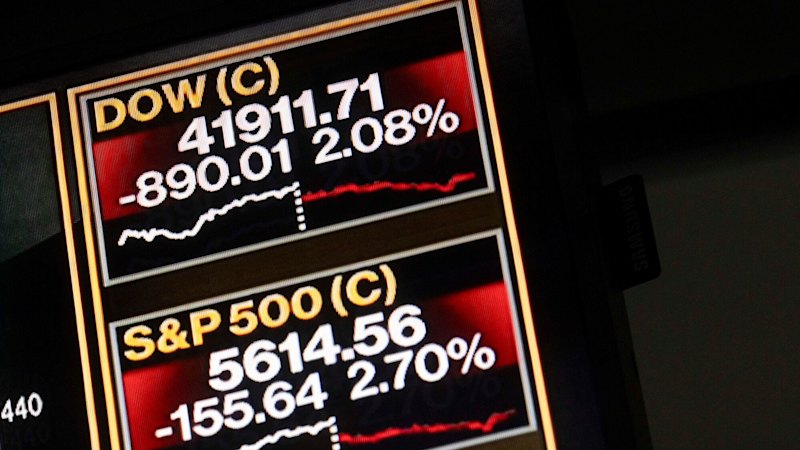
Wall Street’s wild Nvidia ride delivers big paydays and even bigger bruises
Investors are doubling down on speculative wagers that have delivered both spectacular gains and crushing losses this year.

Inside Boeing’s mission to rebuild trust in the 737 after years of turbulence
In the airline industry, attention to detail is everything. Boeing’s recovery is tied to reforms on its manufacturing floor in Washington.

Commercial childcare is hitting a brick wall. Who will pick up the pieces?
Australia’s largest childcare provider has signalled its intent to surrender to a lowball private equity bid as other for-profit providers collapse in record numbers.
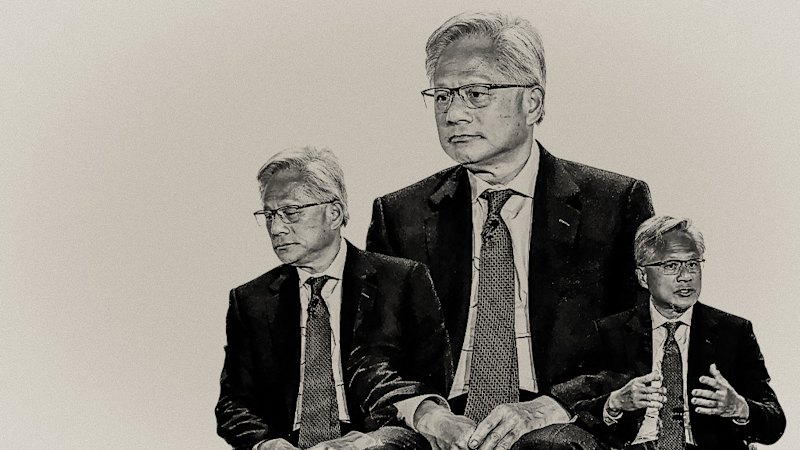
‘I don’t care’: Inside Jensen Huang’s last hours as Nvidia CEO
At the end, Jensen Huang looked broken and shattered, his legendary energy depleted.
I worked part-time at David Jones. I know exactly why the business failed
Lift operators, bra fitters and lying sales assistants – I mourn you all.
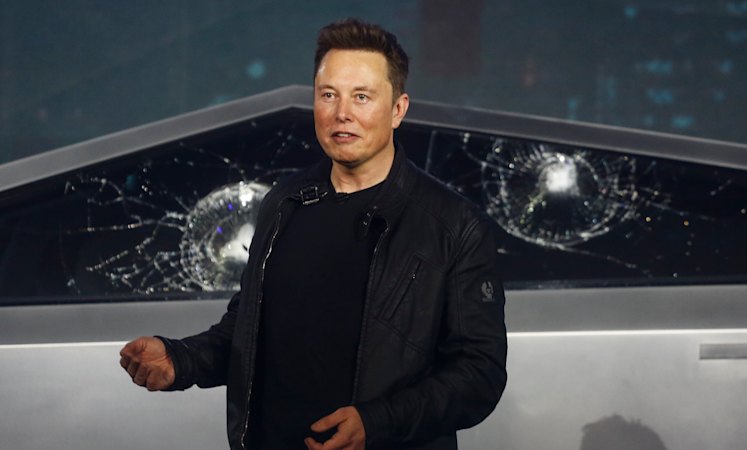
How Elon Musk drove the Cybertruck and Tesla’s ambitions off a cliff
Elon Musk’s passion project crashed and burned. Its demise carries a lot of weight,
M.J. Bale axed its retail boss while she was on maternity leave. Now she’s fighting back
The Australian menswear retailer made its high-flying retail boss redundant days before her scheduled return from parental leave.