
Australia lawyers' group: Draft cyber laws would curb rights
Oct 19, 2018
Australian lawyers' group say proposed cybersecurity laws to force companies such as Facebook and Google to help police by unscrambling encrypted messages would significantly limit privacy and freedom
CANBERRA, Australia — The president of Australia's top lawyers' group told a parliamentary inquiry that proposed cybersecurity laws to force global technology companies such as Facebook and Google to help police by unscrambling encrypted messages sent by extremists and other criminals would significantly limit individuals' privacy and freedom.
A parliamentary committee on Friday began examining a bill introduced last year that is modeled on Britain's Investigatory Powers Act. That law has given British intelligence agencies some of the most extensive surveillance powers in the Western world.
The Australian bill would give security agencies new powers to demand that tech companies help them decrypt data.
Arthur Moses, Law Council of Australia's president-elect, told the committee that a secret service officer could be able to use the proposed law to side-step the need for a warrant to arrange a phone intercept.
The bill also places no time limit on how long a telecommunications employee can be held to assist law enforcement and security agencies, which is arguably detention, Moses said.
"The bill, as presently drafted, would authorize the exercise of intrusive covert powers with the potential to significantly limit an individual's right to privacy, freedom of expression, and liberty," Moses told the committee by telephone from Sydney.
Eric Wenger, director of cybersecurity and privacy policy at the U.S. technology giant Cisco Systems, warned that the government could place Australia and its companies at a competitive disadvantage if their data was not regarded as secure.
"You shouldn't overlook that there is a concern ... in terms of competitiveness for Australia that companies might choose to limit further investment in a market where they do not believe that the technology is adequately secure to protect their customers, their operations and their information," Wenger told the committee by video link from Washington.
"You want to make sure that you're ensuring that Australian companies that are building technology are viewed as being at the forefront of being able to secure it," Wenger added.
Duncan Lewis, director-general of the Australian Security Intelligence Organization, told the committee that extremists where sharing encrypted messages that Australia's main secret service could not intercept or read.
Australian Federal Police Commissioner Andrew Colvin said encryption issues were hampering criminal investigations at all levels.
Some experts have warned that weakening end-to-end encryption services so that police could eavesdrop would leave communications vulnerable to hackers.
But the draft law states that tech companies cannot be required to build systemic weaknesses — also known as backdoors — into their encrypted services to allow intercepts. But the bill does not define what the term "systemic weakness" means.
Australia has described the growth of encrypted communication applications such as WhatsApp, Signal, Facebook Messenger and iMessage as potentially the greatest degradation of intelligence and law enforcement capability in decades.
Australia was a major driver of a statement agreed at the Group of 20 leaders' summit in Germany last year that called on the tech industry to provide "lawful and non-arbitrary access to available information" needed to protect against terrorist threats.
More News

The real pain from rising interest rates is yet to come
The number of borrowers who are behind on their mortgage payments is rising, and it’s likely to climb further as rate hikes bite.
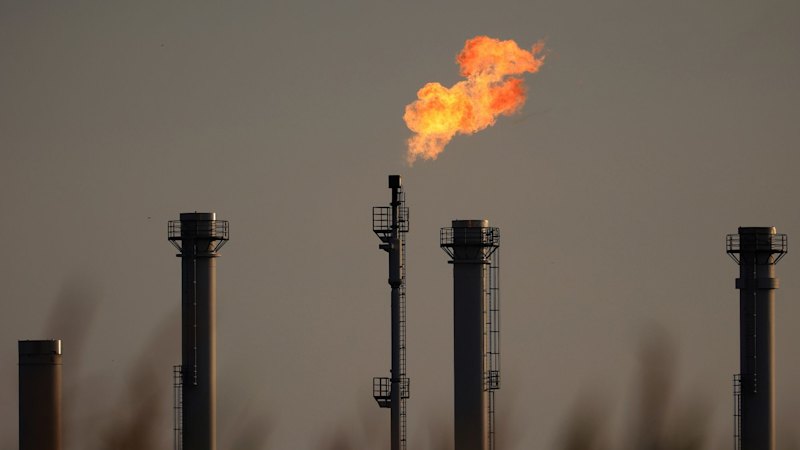
Coalition threat to sink gas reform triggers rare industry backlash
A broad alliance of business chiefs and unions has mounted a last-minute push for the Coalition to pass Labor’s domestic gas-reservation laws.

A new fast-food giant is coming to Australia. Its unusual ingredients aren’t the only talking point
A new chain will enter Australia’s crowded fast-food chicken market after wowing Anthony Albanese at one of its Manila stores. We put some of its dishes to the test.
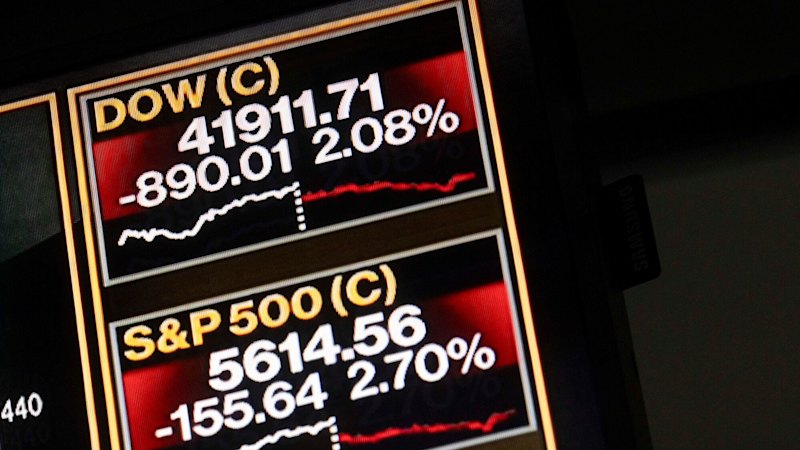
Wall Street’s wild Nvidia ride delivers big paydays and even bigger bruises
Investors are doubling down on speculative wagers that have delivered both spectacular gains and crushing losses this year.

Inside Boeing’s mission to rebuild trust in the 737 after years of turbulence
In the airline industry, attention to detail is everything. Boeing’s recovery is tied to reforms on its manufacturing floor in Washington.

Commercial childcare is hitting a brick wall. Who will pick up the pieces?
Australia’s largest childcare provider has signalled its intent to surrender to a lowball private equity bid as other for-profit providers collapse in record numbers.
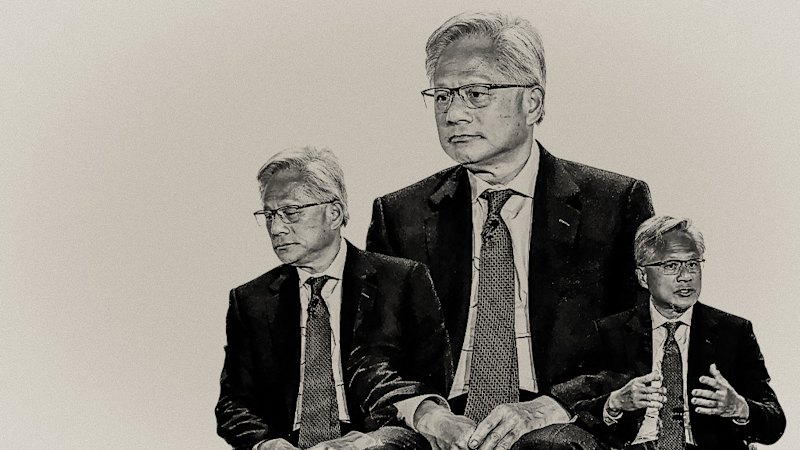
‘I don’t care’: Inside Jensen Huang’s last hours as Nvidia CEO
At the end, Jensen Huang looked broken and shattered, his legendary energy depleted.
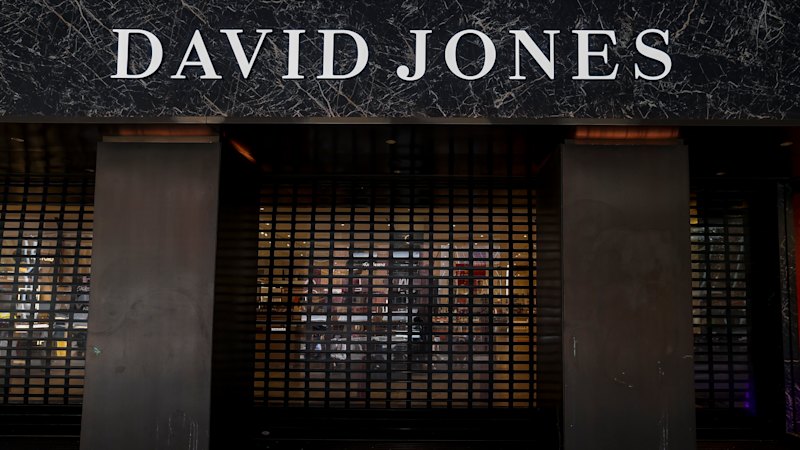
I worked part-time at David Jones. I know exactly why the business failed
Lift operators, bra fitters and lying sales assistants – I mourn you all.
How Elon Musk drove the Cybertruck and Tesla’s ambitions off a cliff
Elon Musk’s passion project crashed and burned. Its demise carries a lot of weight,

M.J. Bale axed its retail boss while she was on maternity leave. Now she’s fighting back
The Australian menswear retailer made its high-flying retail boss redundant days before her scheduled return from parental leave.

‘Either brave or mad’: A bastion of fine dining gets a sorely needed facelift
Rob and Tammy Charter had other ideas about how they wanted to spend post-work life. Like buying a heritage pub.
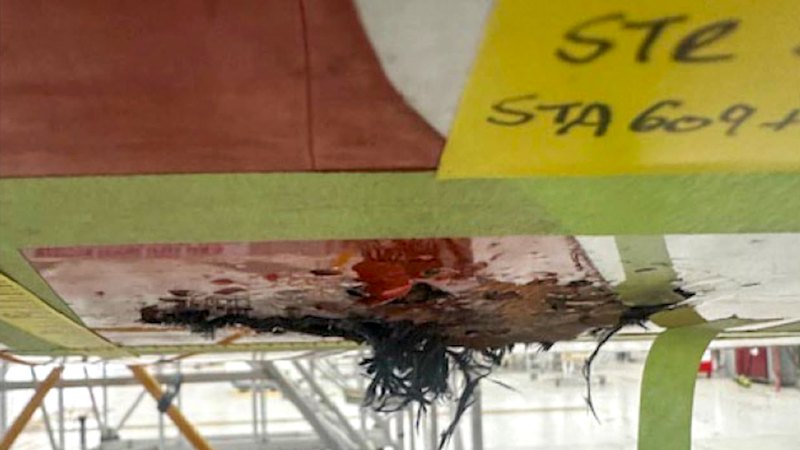
This Qantas jet was hit by lightning. It’s still grounded two weeks later
Pictures show the damage left by a lightning bolt, with charred areas of the skin and mesh exposed, on a plane that arrived in Melbourne from Los Angeles last month.