
Australia opposes death penalty as Assange supporters march
Apr 12, 2019
Australia says it will oppose the death penalty for Julian Assange if he's extradited to the United States, as protesters in Sydney called for his release and Australia's journalists' union voiced support for him
SYDNEY — Australia said on Friday it would oppose the death penalty for Julian Assange if he's extradited to the United States, as protesters in Sydney called for his release and Australia's journalists' union voiced its strong support for him.
The Australian WikiLeaks founder was arrested Thursday in London's Ecuadorian Embassy and the judge found him guilty of breaching his bail conditions. He faces a U.S. charge of conspiring to reveal government secrets.
Prime Minister Scott Morrison said any extradition plans had "nothing to do with Australia," and that Assange would receive only standard assistance from Australian consular officials. Tthe 47-year-old would have to face the consequences of any breach of the law in foreign jurisdictions, Morrison said.
Foreign Minister Marise Payne, however, responded to fears from Assange's supporters over his possible punishment in the U.S., saying Australia is "completely opposed to the death penalty." She said Britain had sought assurances from the U.S. that Assange would not be exposed to the death penalty if he was extradited.
"The extradition process itself is a matter between the United States and the United Kingdom, but we have also been provided with that advice from the U.K.," Payne told reporters. "Australia ... is completely opposed to the death penalty and that is a bipartisan position and one which we have continued to advocate."
Signs of support for Assange emerged in his home country on Friday, where about 30 people marched in central Sydney after gathering outside the British Consulate and calling for the release of a figure they regard as a crusader for truth, and freedom of speech.
Holding signs with messages including "Free Assange — No U.S. extradition," they chanted: "Free the truth; Free Assange; Don't shoot the messenger."
Another small protest in support of Assange took place in Melbourne later on Friday.
Australia's journalists' union, the Media Entertainment and Arts Alliance, also supported calls for Assange's release.
The union's Federal President Marcus Strom said Assange was being pursued for "acts of journalism." Pointing out that WikiLeaks had in 2011 been bestowed with Australian journalism's highest honor, the Walkley Award, Strom said Assange's case was a press freedom issue.
"Julian Assange is being pursued over acts of journalism committed by WikiLeaks ... and that was revealing information that was clearly in the public interest, around atrocities and possible war crimes committed in Iraq and Afghanistan," Strom told the Australian Broadcasting Corp.
Strom said those reports had been published in newspapers such as the New York Times, Britain's the Guardian, and in Australia in the Sydney Morning Herald and the Melbourne Age.
"So on those grounds it becomes a press freedom issue," he said. "It's not a personal issue about Julian Assange."
Strom suggested there'd been less than universal support from journalists for Assange because "as a personality, he's clearly a divisive figure."
"But now that ... the issues are around questions of journalistic principle, people will gain a stronger voice to stand up and call for Julian Assange to be released."
The MEAA awarded Assange, a long-term member of the union, lifelong membership in 2010 as a show of solidarity.
Also on Friday, Assange's mother, Christine Assange, took to Twitter to call for police and prison and court staff to be gentle with her son.
She tweeted he had been "8 years detained WITHOUT charge," and for six years had been "deprived fresh air, exercise, sun," for three years had been "sick/in pain denied proper medical/dental care" and for one year he'd been "isolated/tortured."
"Please be patient, gentle & kind to him," she said.
Assange took refuge in the Ecuadorian Embassy in London in 2012 after he was released on bail in Britain while facing extradition to Sweden on sexual assault allegations that have since been dropped. He refused to leave the embassy, fearing arrest and extradition to the U.S. for publishing classified military and diplomatic cables through WikiLeaks.
Morrison confirmed Assange would receive "normal" consular assistance following a request put by his legal team to the Australian High Commission in London.
"It's the normal consular support that is provided by our missions overseas for people who are going through justice systems," he told Australia's Channel 7 television network. "He will have to face the justice system. When Australians go overseas and if they violate other countries' laws, then obviously they have to face the process for those alleged actions.
"He won't be getting special treatment from Australia. He will be getting the same treatment that any other Australian would get in those circumstances," Morrison said.
More News
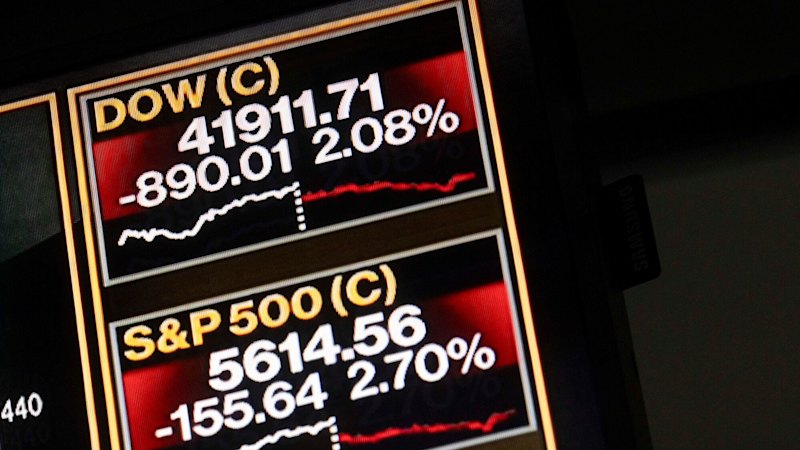
Wall Street’s wild Nvidia ride delivers big paydays and even bigger bruises
Investors are doubling down on speculative wagers that have delivered both spectacular gains and crushing losses this year.

Inside Boeing’s mission to rebuild trust in the 737 after years of turbulence
In the airline industry, attention to detail is everything. Boeing’s recovery is tied to reforms on its manufacturing floor in Washington.

Commercial childcare is hitting a brick wall. Who will pick up the pieces?
Australia’s largest childcare provider has signalled its intent to surrender to a lowball private equity bid as other for-profit providers collapse in record numbers.
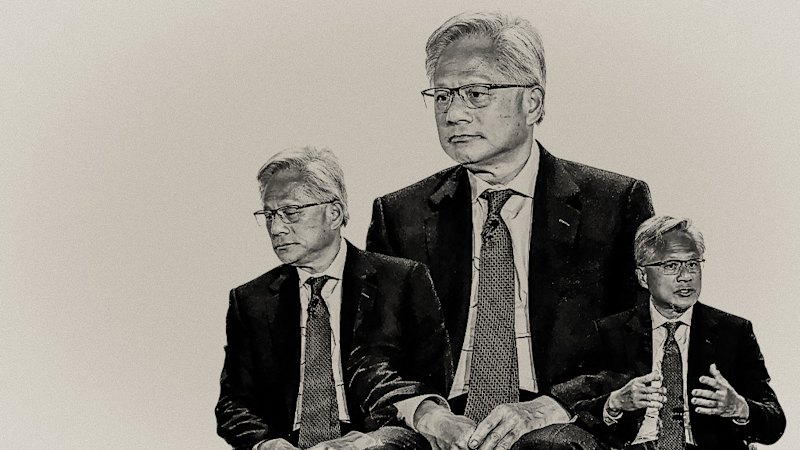
‘I don’t care’: Inside Jensen Huang’s last hours as Nvidia CEO
At the end, Jensen Huang looked broken and shattered, his legendary energy depleted.
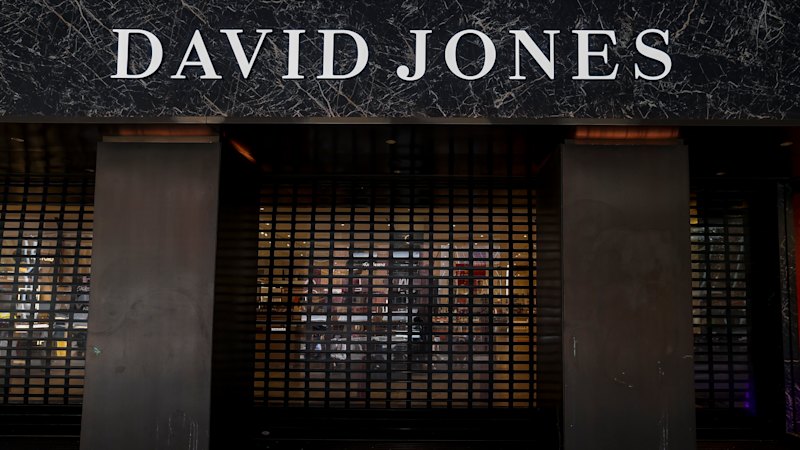
I worked part-time at David Jones. I know exactly why the business failed
Lift operators, bra fitters and lying sales assistants – I mourn you all.
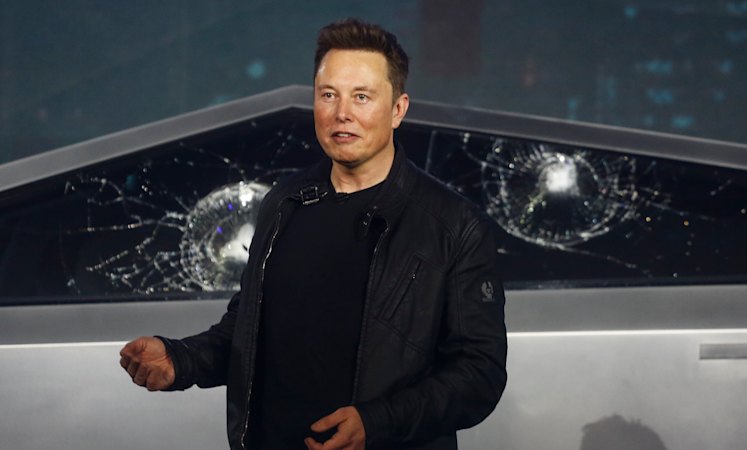
How Elon Musk drove the Cybertruck and Tesla’s ambitions off a cliff
Elon Musk’s passion project crashed and burned. Its demise carries a lot of weight,
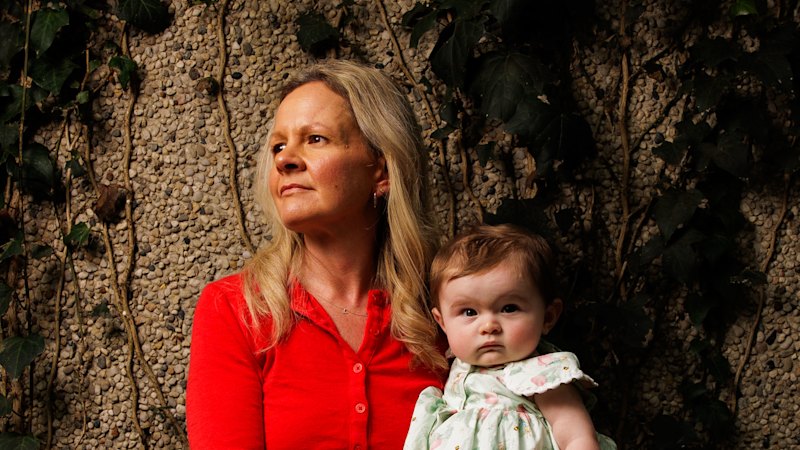
M.J. Bale axed its retail boss while she was on maternity leave. Now she’s fighting back
The Australian menswear retailer made its high-flying retail boss redundant days before her scheduled return from parental leave.
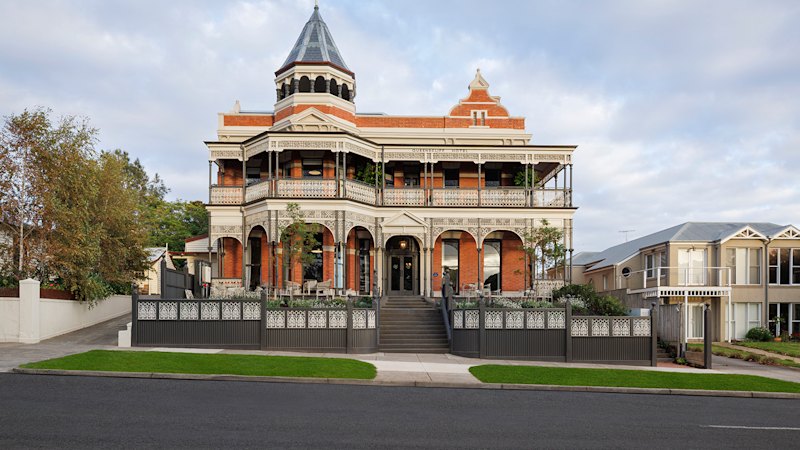
‘Either brave or mad’: A bastion of fine dining gets a sorely needed facelift
Rob and Tammy Charter had other ideas about how they wanted to spend post-work life. Like buying a heritage pub.
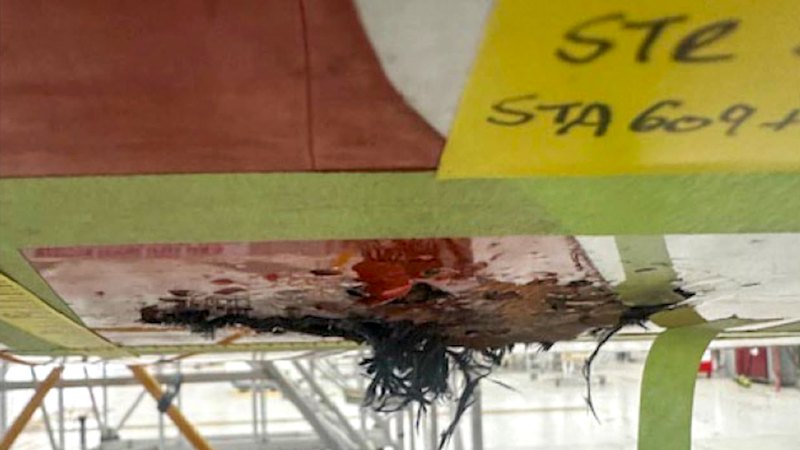
This Qantas jet was hit by lightning. It’s still grounded two weeks later
Pictures show the damage left by a lightning bolt, with charred areas of the skin and mesh exposed, on a plane that arrived in Melbourne from Los Angeles last month.
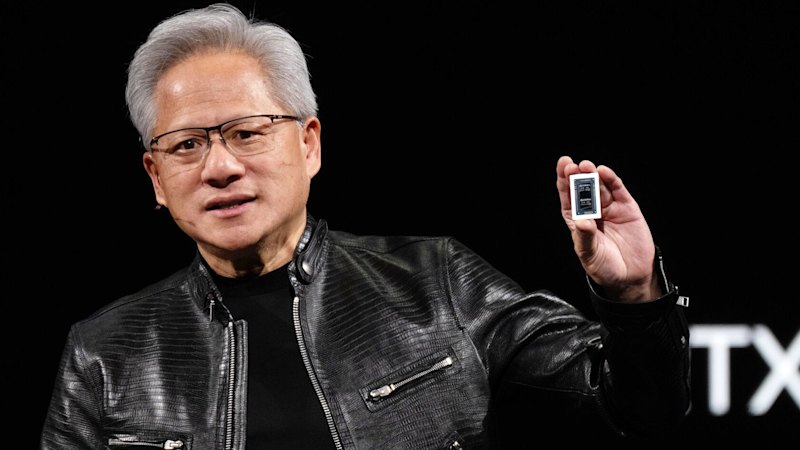
There has never been another scandal like this
Here’s a look at some of the most famous corporate scandals in history. Jensen Huang is really in a league of his own.
Hall of shame: Jensen Huang joins the list of CEOs brought down by affairs
The “close personal relationship” has been the downfall of a number of chief executives over the years.
Australian shares limp across the line to end week higher
The sharemarket has risen for six of the past seven weeks despite a weak finish in the final session.