
Australia plans major spending plus surplus in 3 years
May 10, 2017
Australia's government plans major infrastructure spending including a new Sydney airport and inland railway link, sticks to goal of restoring budget surplus in three years
CANBERRA, Australia — Australia's government announced Tuesday plans for major infrastructure spending including a new Sydney airport and an inland railway linking two major cities, while sticking to its goal of restoring a budget surplus in three years through higher taxes.
Treasurer Scott Morrison said more than 75 billion Australian dollars ($56 billion) would be spent on infrastructure in the next decade.
"It is important to invest in infrastructure, but we have to make the right choices on projects as part of a broader economic growth strategy," he told Parliament.
The government plans to spend AU$5.3 billion ($3.9 billion) on building a second international airport in Sydney due to open in 2026. The government also plans an AU$8.4 billion ($6.2 billion), 1,700 kilometer (1,000 mile) new railway corridor between Melbourne, Australia's second largest city, and the third largest city, Brisbane. Work on both projects is to begin in the fiscal year which starts July 1.
The government also plans to increase taxes and charges.
A new levy on Australia's five largest banks was expected to raise about AU$1.5 billion ($1.1 billion) a year.
The Australian Bankers Association described the new tax as "inherently risky," blaming speculation that the measure might be included the budget for banks losing AU$14 billion ($10 billion) in value on the Australian stock market earlier Tuesday.
The levy that Australians pay for their universal health care system would increase from 2 percent of their income to 2.5 percent to help pay for a newly established disability insurance scheme.
The center-left opposition Labor Party accused the conservative government of delivering a tax cut for millionaires and a tax hike for every working Australian. A 2 percent so-called Temporary Budget Repair Levy paid on incomes exceeding AU$180,000 ($133,000) over three years ends in July.
Universities will get 2.5 percent less government funding over the next two years and students will have to pay more for their degrees.
Employers will pay an annual levy of up to AU$1,800 ($1,322) for every foreign worker they employ on a temporary visa.
The government estimated the deficit for the current fiscal year ending June 30 will be AU$37.6 billion ($27.6 billion), AU$500 million ($367 million) worse than was forecast a year ago.
Revenue is expected to grow 7.8 percent next year to AU$444.4 billion ($326 billion), and the deficit to shrink to AU$29.4 billion ($21.6 billion).
The government expects growth will increase from 1.75 percent in the current fiscal year to 2.75 percent next year. Unemployment is expected to stay steady at 5.75 percent.
The government gave up on making cuts in health and education spending that the Senate has been rejecting as unfair to the poor since the ruling coalition's first budget in 2014.
Major ratings agencies have warned that Australia risks losing its coveted triple-A credit rating unless the government can cut spending.
Morrison said he expected the agencies would be impressed that his latest budget maintained its trajectory toward a surplus in three years.
The government plans to increase defense spending to 2 percent of GDP by 2020-21 — three years ahead of its initial target. That may please U.S. President Donald Trump, who has urged America's allies to increase their military spending.
More News
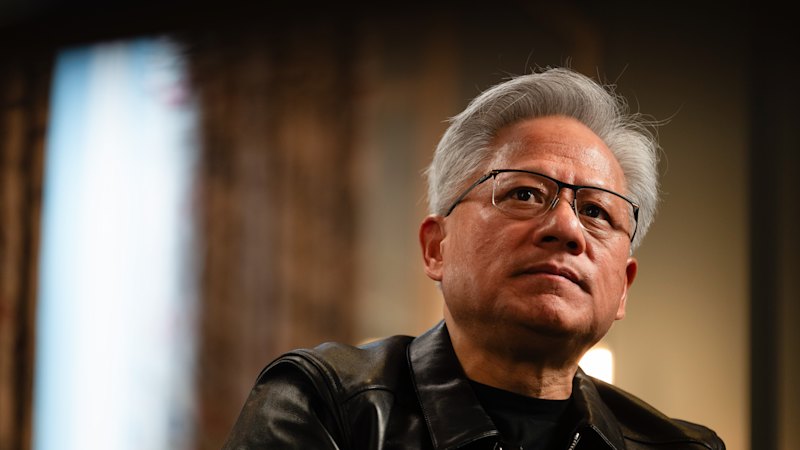
The superchip genius or the big name wildcard? Eight contenders to replace Huang as Nvidia’s CEO
Nvidia chief Jensen Huang has resigned from the chipmaker he co-founded after reports of extramarital affairs made the spotlight.
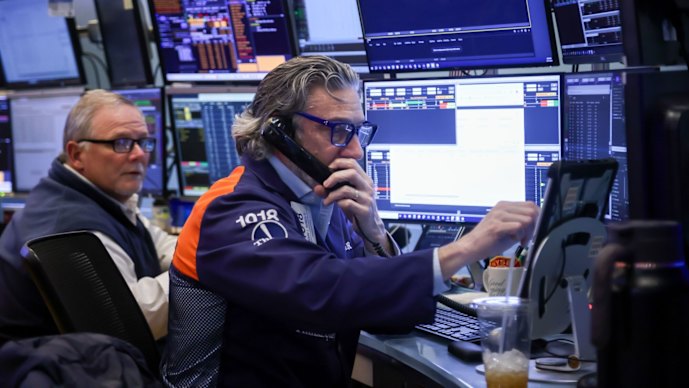
ASX set for flat start, Nvidia scandal weighs on Wall Street
US stocks closed lower as a pullback in big AI-focused companies weighed on the market, capping a turbulent week on Wall Street.
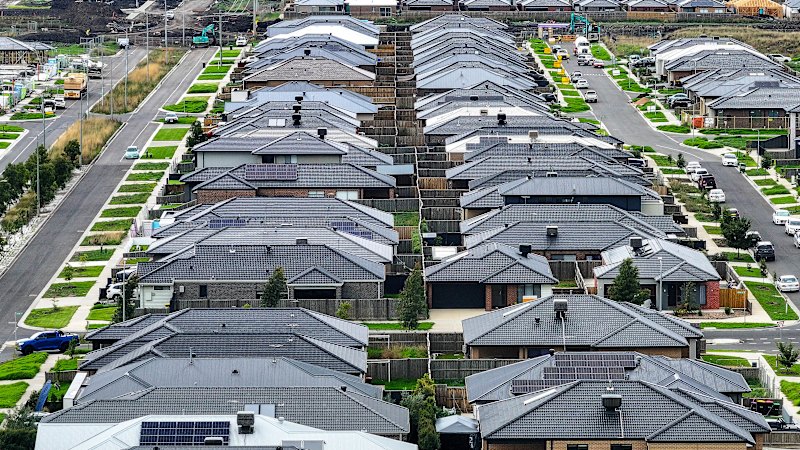
The real pain from rising interest rates is yet to come
The number of borrowers who are behind on their mortgage payments is rising, and it’s likely to climb further as rate hikes bite.
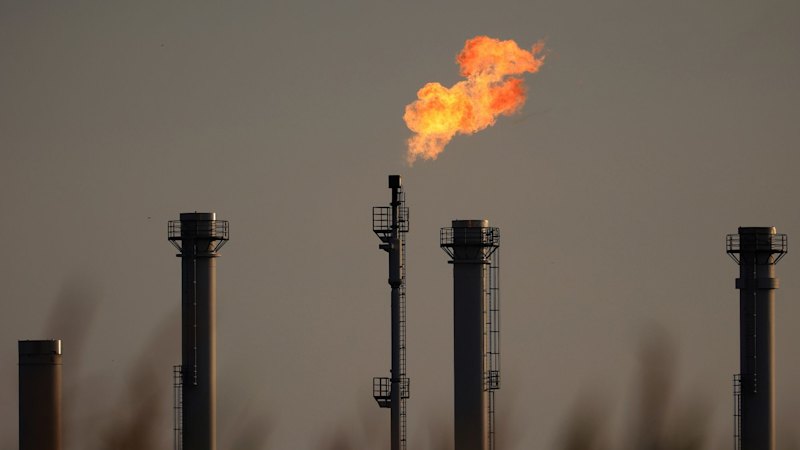
Coalition threat to sink gas reform triggers rare industry backlash
A broad alliance of business chiefs and unions has mounted a last-minute push for the Coalition to pass Labor’s domestic gas-reservation laws.

A new fast-food giant is coming to Australia. Its unusual ingredients aren’t the only talking point
A new chain will enter Australia’s crowded fast-food chicken market after wowing Anthony Albanese at one of its Manila stores. We put some of its dishes to the test.
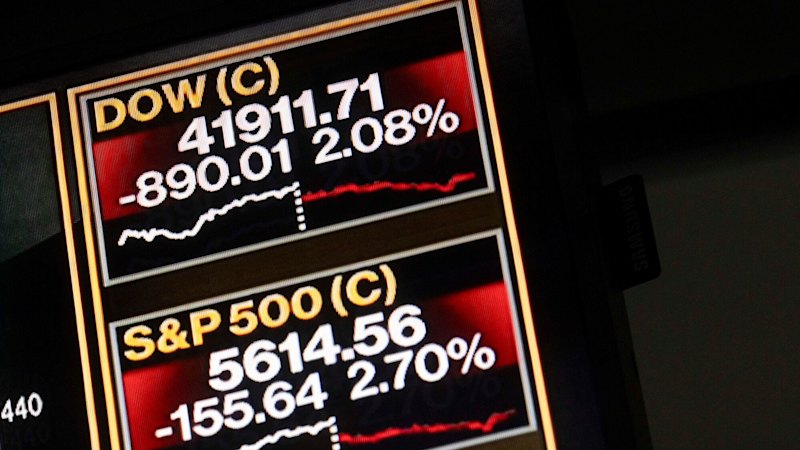
Wall Street’s wild Nvidia ride delivers big paydays and even bigger bruises
Investors are doubling down on speculative wagers that have delivered both spectacular gains and crushing losses this year.
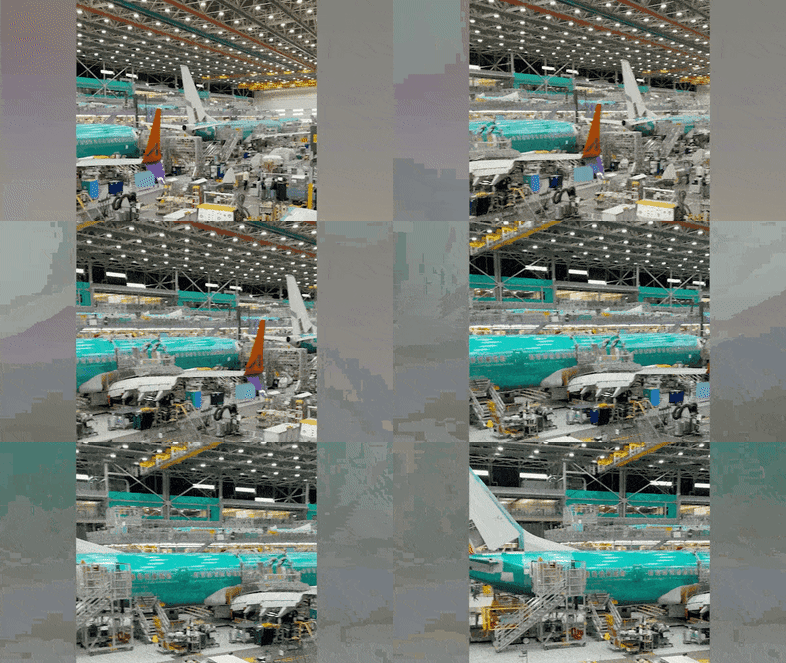
Inside Boeing’s mission to rebuild trust in the 737 after years of turbulence
In the airline industry, attention to detail is everything. Boeing’s recovery is tied to reforms on its manufacturing floor in Washington.

Commercial childcare is hitting a brick wall. Who will pick up the pieces?
Australia’s largest childcare provider has signalled its intent to surrender to a lowball private equity bid as other for-profit providers collapse in record numbers.
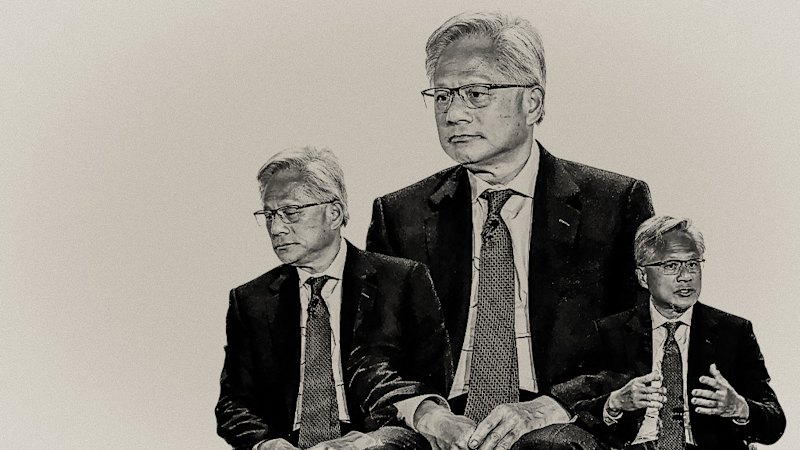
‘I don’t care’: Inside Jensen Huang’s last hours as Nvidia CEO
At the end, Jensen Huang looked broken and shattered, his legendary energy depleted.
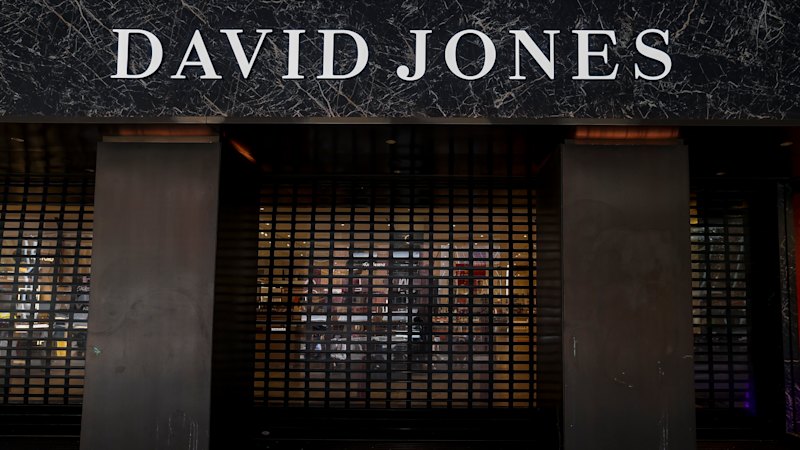
I worked part-time at David Jones. I know exactly why the business failed
Lift operators, bra fitters and lying sales assistants – I mourn you all.
How Elon Musk drove the Cybertruck and Tesla’s ambitions off a cliff
Elon Musk’s passion project crashed and burned. Its demise carries a lot of weight,
M.J. Bale axed its retail boss while she was on maternity leave. Now she’s fighting back
The Australian menswear retailer made its high-flying retail boss redundant days before her scheduled return from parental leave.