
Australia proposes new laws to keep extremists in prison
Aug 1, 2019
The Australian government has introduced legislation to Parliament that would give authorities more power to keep extremists behind bars after they have served prison sentences if they are still considered dangerous
CANBERRA, Australia — The Australian government introduced legislation to Parliament on Thursday that would give authorities more power to keep extremists behind bars after they have served prison sentences if they are still considered dangerous.
The move is a response to a 2017 siege in which a gunman who once trained with Muslim extremists, Yacqub Khayre, killed a Melbourne apartment building receptionist and wounded three police officers months after being released early from prison.
The bill has been introduced as the government is accused of trampling human rights and press freedom by ratcheting up it national security laws in response to the evolving threat posed by Muslim extremists such as the Islamic State group.
The federal and state governments agreed in late 2015 to create nationally consistent so-called continuing detention orders to keep convicted terrorists in custody after they have served their sentences.
Attorney General Christian Porter said the proposed new law would close a loophole that prevented some extremists from being kept in custody. The law would create a presumption against parole for convicted terrorists and terrorist supporters.
Khayre, a Somali-born refugee, took a woman hostage during a two-hour siege that ended with him being killed by police. The hostage escaped harm.
His convictions were for violent crimes unrelated to extremism. But under the proposed law, a judge deciding whether to parole him could have considered Khayre's acquittal in 2010 on charges that he plotted a suicide attack on a Sydney army base and evidence that established during his trial that he had trained with extremists in Somalia.
Porter told Parliament the laws would apply to those inmates serving time for other offenses, but who have "clearly demonstrated terrorist sympathies."
"The community was rightly outraged by Yacqub Khayre's case and I believe the changes we are introducing today strike the right balance between protecting individual rights and freedoms, and protecting the community," Porter said.
Parliament also extended the emergency powers of the Australian Security Intelligence Organization, the nation's main spy agency, to secretly detain and interrogate extremists, despite opposition from lawyers and some lawmakers.
Those powers were introduced as a temporary measure after the al-Qaida attacks on the United States on Sept. 11, 2001. But successive governments have now extended their expiration deadline four times.
The emergency powers were to expire on Sept. 7, but Parliament on Thursday passed a bill that created a 12-month extension.
The government rejected an opposition proposal to limit the extension to three months. Rex Patrick, a senator from the Center Alliance minor party, said Thursday's extension was the last that he would support.
Bret Walker, a lawyer who had been commissioned to recommended changes to the measures in 2012, urged the Parliament to reject a further extension.
"If national security is to be a mantra that commands some kind of falling in with government proposals, then the very least we can ask in return is a demonstration that government itself has been dealing urgently and profoundly with these problems," Walker said.
The Law Council of Australia, the nation's leading advocacy for lawyers, said it had grave concerns the powers had been extended without clear justification.
"These are some of the most far-reaching and extraordinary powers granted to any intelligence organization in a western democracy and should be repealed," council president Arthur Moses said.
Australian media organizations have demanded national security law reforms so that journalists don't risk prison sentences for doing their jobs after police raided ABC's Sydney headquarters and the Canberra home of a News Corp. reporter in June in search of leaked government documents.
More News
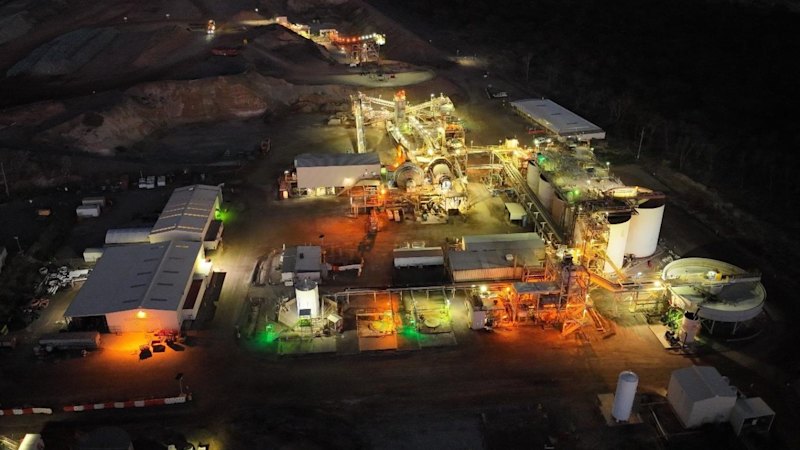
Forrestania grabs control of Zenith in WA gold power play
Forrestania Resources has locked in a controlling 72.56 per cent stake in Zenith Minerals, closing its takeover offer and advancing its WA gold consolidation strategy.

Gateway nails another high-grade gold discovery near Wiluna in WA
Gateway Mining has hit shallow, high-grade gold at its Yandal project in WA, with recent RC drilling returning 11m at 4.5g/t gold from 89m, confirming a new mineralised system.

Property giant says it will consider replacing David Jones stores in Westfield malls
The owner of Westfield shopping centres has ramped up pressure on David Jones administrators, who are meeting with creditors for the first time on Tuesday.
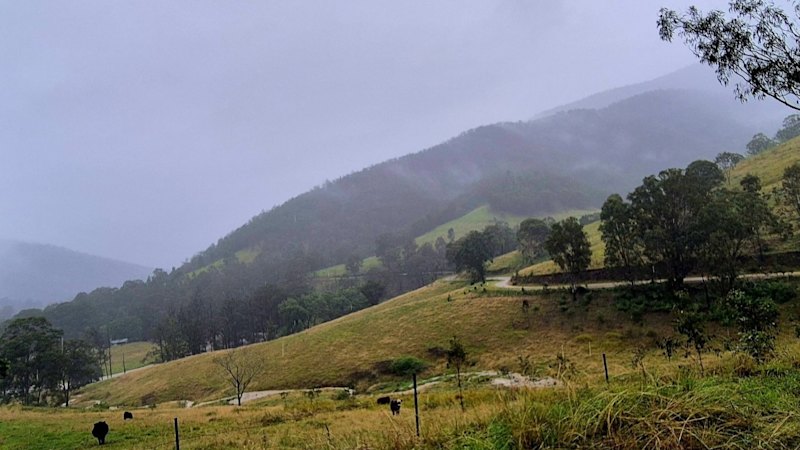
Critical gets boots on ground at high-grade NSW antimony play
Critical Resources has gained access to its Mayview antimony-gold prospect in NSW, where rock chips hit 52.3 per cent antimony, just 2.7km from Larvotto’s Hillgrove mine.
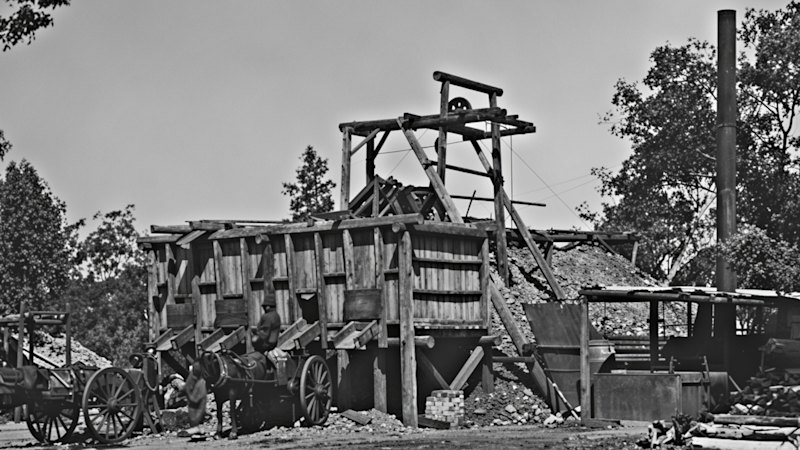
Locksley unveils major resource lift at NSW copper-gold play
Locksley Resources has grown its Greater Tottenham resource to 110,000 tonnes of copper and 100,000 ounces of gold, with a rig now on site in NSW to test for extensions.
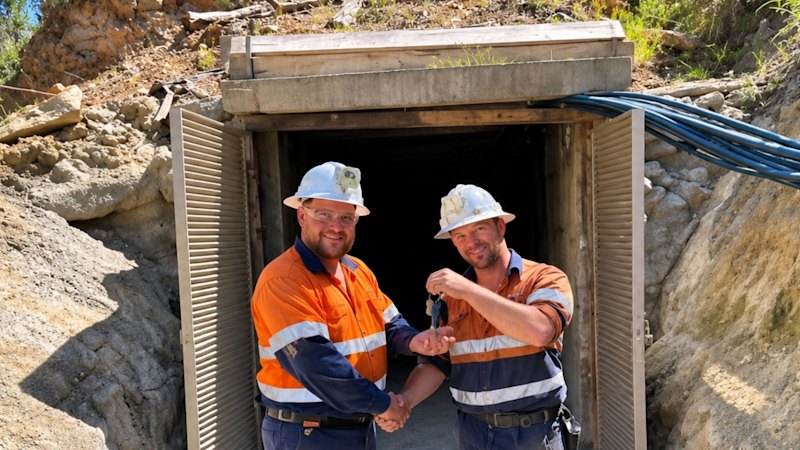
Aureka seals $8.9M deal to vault into Victorian gold production
Aureka Limited has completed its $8.9M Victorian gold mine and mill acquisition, transforming into a producer with positive monthly free cash flow and spare processing capacity.

ClearVue cracks Singapore market with major solar win
ClearVue Technologies has secured a subcontract worth up to A$859,800 to supply its solar power-generating cladding for a government building project in Singapore.
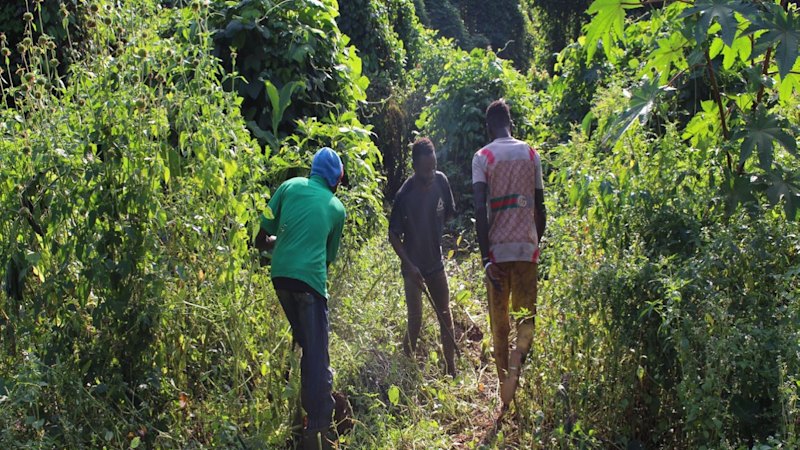
Dalaroo turns up voltage on Côte d’Ivoire gold hunt
Dalaroo Metals has launched a major geophysical survey across a 7km gold corridor in Côte d’Ivoire, aiming to connect two high-grade gold discoveries.
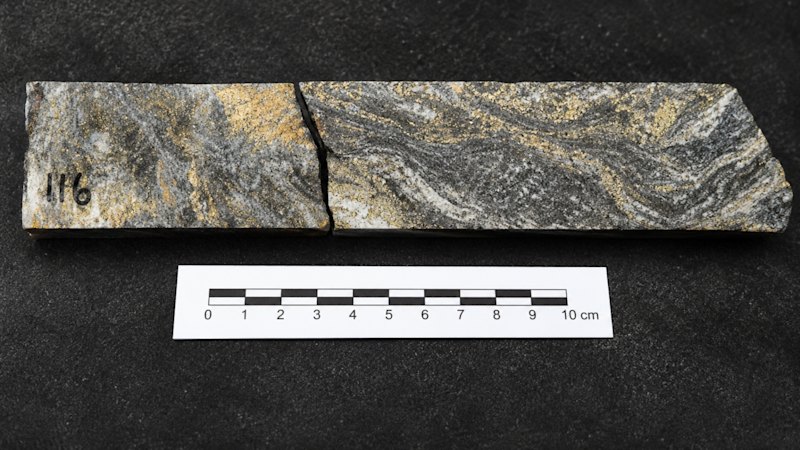
Broken Hill strikes thick copper sulphides beneath SA goldfield
Broken Hill Gold has hit visible copper sulphides from 61.4m to 329.8m in its first Icebreaker diamond hole in SA, hinting at a major copper-gold system at White Dam.

The Jensen Huang affair is a tawdry story, but it’s laced with good news for us all
Nvidia is a curious word. It isn’t actually an acronym, although “Net Value Implodes During Intimate Adventures” now suggests itself.

Miners drag Australian sharemarket lower as metals prices slump
A more than 2 per cent tumble in the heavyweight basic materials sector helped drag the rest of the market into the red.
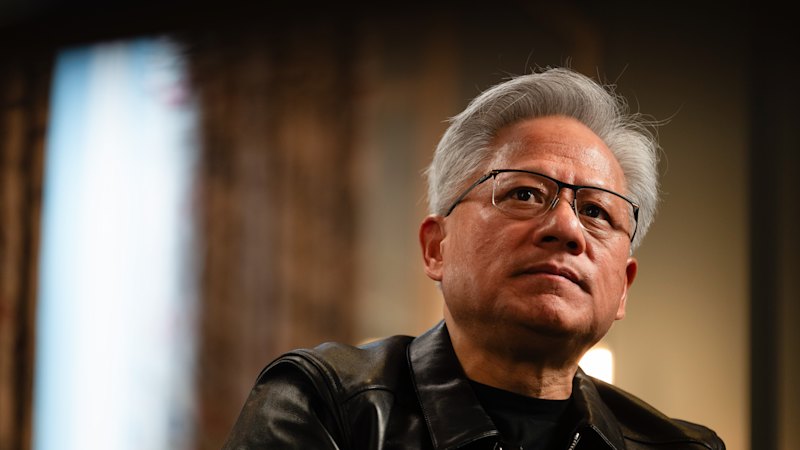
The superchip genius or the big name wildcard? Eight contenders to replace Huang as Nvidia’s CEO
Nvidia chief Jensen Huang has resigned from the chipmaker he co-founded after reports of extramarital affairs made the spotlight.