
Australia says US alliance vital with Indo-Pacific tensions
Oct 15, 2018
Australia's foreign minister says her country's alliance with the United States has never been more vital in an era of escalating challenges in the Indo-Pacific region
CANBERRA, Australia — Australia's foreign minister said on Monday her country's alliance with the United States had never been more vital in an era of escalating challenges in the Indo-Pacific region.
In her first major policy speech since she took over the foreign ministry in August, Marise Payne told an Australian Institute of International Affairs conference that Australia needed to defend its interests in "a period of strategic uncertainty."
The former defense minister's staunch declaration of support for the United States, a treaty defense partner since 1951, came after the Chinese Communist Party-owned newspaper China Daily accused Australia and Japan in an editorial last week of "jumping on the U.S. bandwagon to contain China."
"We have no doubt that the U.S. will remain an enduring presence in our region," Payne said. "Other powers will rise, rivalries may intensify, but the United States will be here."
"The challenges in the Indo-Pacific render our alliance as vital as it has ever been," she added.
Australia was also committed to constructive collaboration and engagement with China, its most important trade partner, Payne said.
But she said the region would be safer and more prosperous if differences were managed by agreed rules rather than an exercise of power — an apparent reference to the Chinese militarization of the South China Sea where China claims almost all the territory.
The China Daily called on Australia and Japan to work with China to address security challenges, instead of "letting the U.S. lead them by the nose."
Mistrust on the scale of the Cold War "will create a fragile peace that risks being shattered by the slightest misstep," the newspaper said.
Relations between the U.S. and China have deteriorated, as escalating trade disputes and tariff hikes have been exacerbated by a newly announced U.S. military equipment sale to Taiwan and some recent military operations. In past years, military ties have been somewhat stable, but a series of events this year have roiled the waters.
China protested a recent mission by nuclear-capable U.S. B-52 bombers over the South China Sea, calling the flights "provocative." Two weeks ago, the U.S. Navy destroyer USS Decatur sailed close to Chinese-claimed islands in the South China Sea.
More News

The real pain from rising interest rates is yet to come
The number of borrowers who are behind on their mortgage payments is rising, and it’s likely to climb further as rate hikes bite.
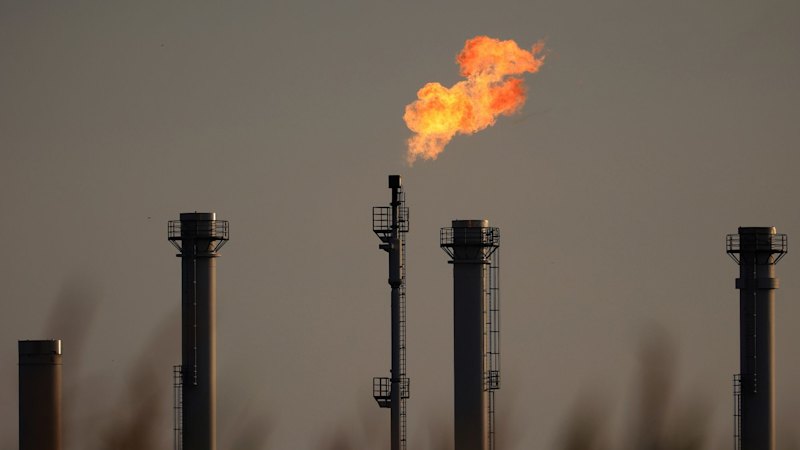
Coalition threat to sink gas reform triggers rare industry backlash
A broad alliance of business chiefs and unions has mounted a last-minute push for the Coalition to pass Labor’s domestic gas-reservation laws.

A new fast-food giant is coming to Australia. Its unusual ingredients aren’t the only talking point
A new chain will enter Australia’s crowded fast-food chicken market after wowing Anthony Albanese at one of its Manila stores. We put some of its dishes to the test.

Wall Street’s wild Nvidia ride delivers big paydays and even bigger bruises
Investors are doubling down on speculative wagers that have delivered both spectacular gains and crushing losses this year.
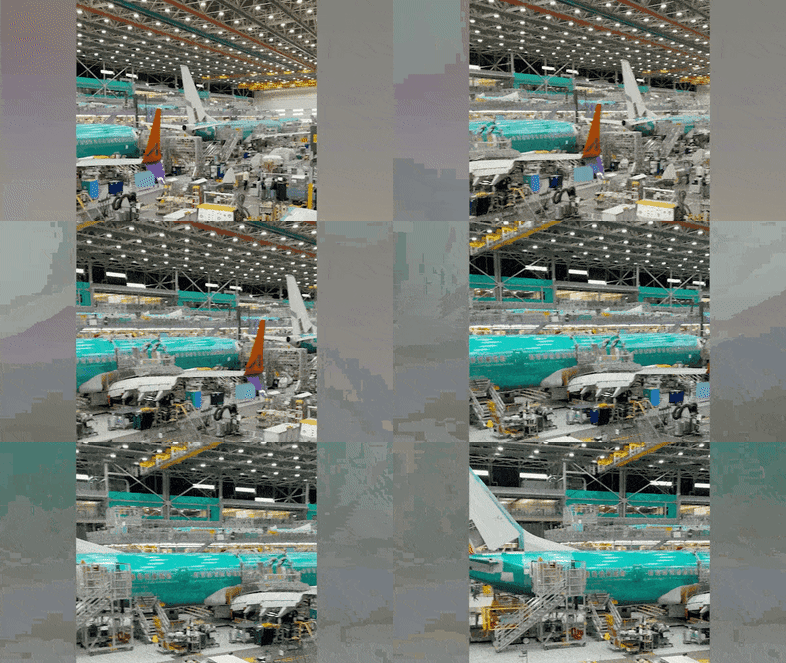
Inside Boeing’s mission to rebuild trust in the 737 after years of turbulence
In the airline industry, attention to detail is everything. Boeing’s recovery is tied to reforms on its manufacturing floor in Washington.

Commercial childcare is hitting a brick wall. Who will pick up the pieces?
Australia’s largest childcare provider has signalled its intent to surrender to a lowball private equity bid as other for-profit providers collapse in record numbers.
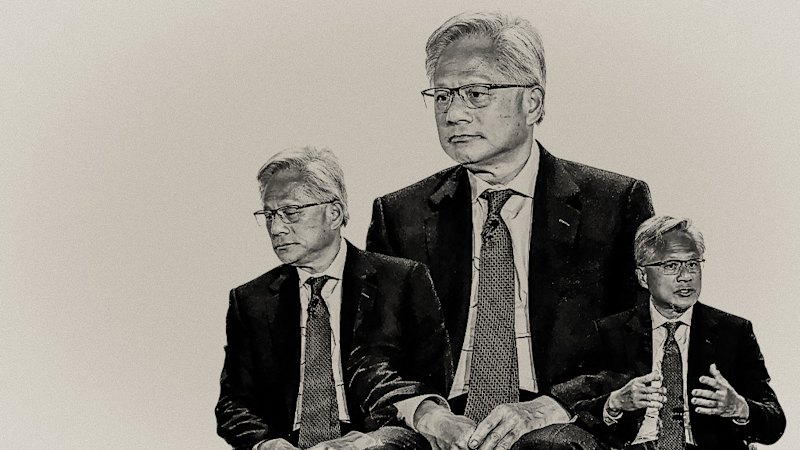
‘I don’t care’: Inside Jensen Huang’s last hours as Nvidia CEO
At the end, Jensen Huang looked broken and shattered, his legendary energy depleted.
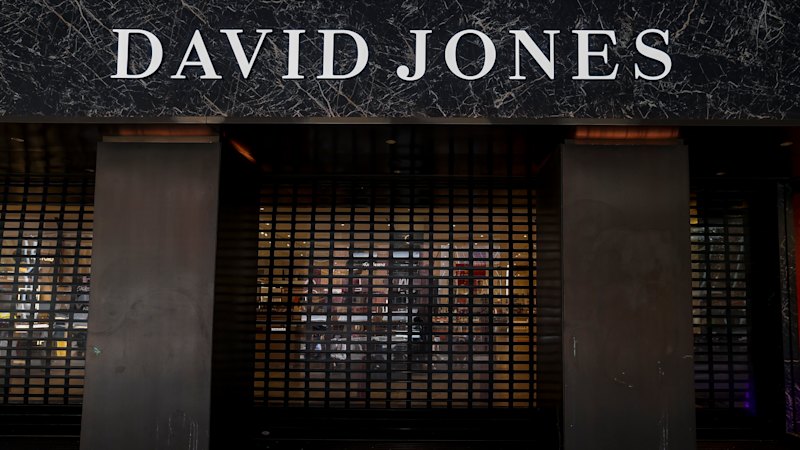
I worked part-time at David Jones. I know exactly why the business failed
Lift operators, bra fitters and lying sales assistants – I mourn you all.

How Elon Musk drove the Cybertruck and Tesla’s ambitions off a cliff
Elon Musk’s passion project crashed and burned. Its demise carries a lot of weight,
M.J. Bale axed its retail boss while she was on maternity leave. Now she’s fighting back
The Australian menswear retailer made its high-flying retail boss redundant days before her scheduled return from parental leave.

‘Either brave or mad’: A bastion of fine dining gets a sorely needed facelift
Rob and Tammy Charter had other ideas about how they wanted to spend post-work life. Like buying a heritage pub.
This Qantas jet was hit by lightning. It’s still grounded two weeks later
Pictures show the damage left by a lightning bolt, with charred areas of the skin and mesh exposed, on a plane that arrived in Melbourne from Los Angeles last month.