
Australia wildfires probe recommends climate risk forecasts
Oct 30, 2020
An investigation into Australia’s catastrophic wildfire season has recommended greater efforts to forecast the impacts of climate change on specific parts of the country, warning fire behavior was becoming more extreme
CANBERRA, Australia (AP) — An investigation into Australia’s catastrophic wildfire season on Friday recommended greater efforts to forecast the impacts of climate change on specific parts of the country, warning fire behavior was becoming more extreme.
The Royal Commission into National Natural Disaster Arrangements began in February while wildfires were ravaging vast swathes of the nation’s southeast in a fire season that is now known as Black Summer.
The fires killed at least 33 people including 10 firefighters, destroyed more than 3,000 hones, razed 19 million hectares (47 million acres) and displaced thousands of residents. One firefighter was killed when an extraordinary weather event described by authorities as a “fire tornado” flipped a 10-ton fire truck upside down.
The Royal Commission, which is the country’s highest form of investigation, said that smoke that blanketed much of Australia, including major cities, had contributed to hundreds of deaths.
The commission’s 578-page report, with 387 pages of appendices, made 80 recommendations, including for a greater harmonization of data across Australia on climate and disaster risks.
The report said federal and state governments should produce “downscaled” climate projections, and agree on climate trajectories and timelines. Discrepancies between states’ fire hazard mapping methods “make it difficult to measure risk at a national scale or to undertake comparative risk between regions.
“Improving weather forecasting and climate projection capability is important to improve the ability to predict or estimate the likelihood of extreme” wildfires, the report said, citing the Commonwealth Scientific and Industrial Research Organisation, an Australian government agency.
The role of climate change in the fire emergency was argued by lawmakers in the conservative government. Some blamed the scale of the disaster on arsonists.
The report found further global warming over the next 20 years “is inevitable.”
“Floods and bushfires are expected to become more frequent and intense,” the report said.
Emergency Management Minister David Littleproud described the recommendations as “very pragmatic.”
The report “goes into the next journey in this nation’s healing after one of the most significant natural disasters in our nation’s history,” Littleproud said.
The wildfire season has again opened in Australia. But unlike the last drought-parched season, above-average rainfall is forecast over eastern and northern Australia during the Southern Hemisphere summer. A more active tropical cyclone season is also forecast.
More News

‘I don’t care’: Inside Jensen Huang’s last hours as Nvidia CEO
At the end, Jensen Huang looked broken and shattered, his legendary energy depleted.
I worked part-time at David Jones. I know exactly why the business failed
Lift operators, bra fitters and lying sales assistants – I mourn you all.

How Elon Musk drove the Cybertruck and Tesla’s ambitions off a cliff
Elon Musk’s passion project crashed and burned. Its demise carries a lot of weight,
M.J. Bale axed its retail boss while she was on maternity leave. Now she’s fighting back
The Australian menswear retailer made its high-flying retail boss redundant days before her scheduled return from parental leave.
‘Either brave or mad’: A bastion of fine dining gets a sorely needed facelift
Rob and Tammy Charter had other ideas about how they wanted to spend post-work life. Like buying a heritage pub.
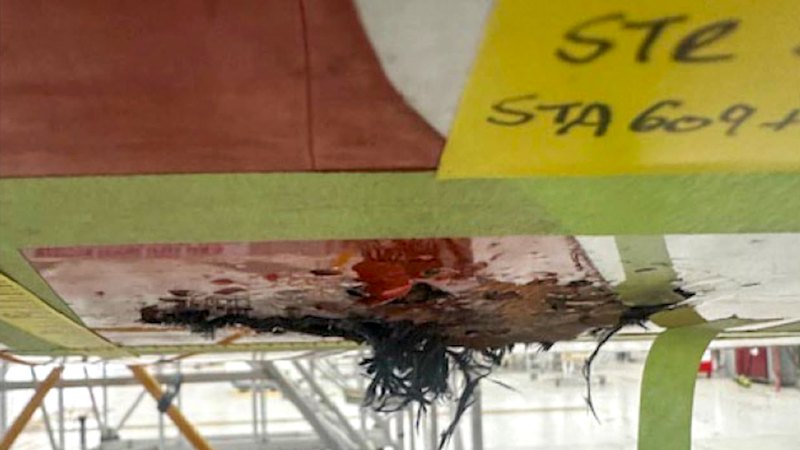
This Qantas jet was hit by lightning. It’s still grounded two weeks later
Pictures show the damage left by a lightning bolt, with charred areas of the skin and mesh exposed, on a plane that arrived in Melbourne from Los Angeles last month.

There has never been another scandal like this
Here’s a look at some of the most famous corporate scandals in history. Jensen Huang is really in a league of his own.
Hall of shame: Jensen Huang joins the list of CEOs brought down by affairs
The “close personal relationship” has been the downfall of a number of chief executives over the years.

Australian shares limp across the line to end week higher
The sharemarket has risen for six of the past seven weeks despite a weak finish in the final session.

Right Resources puts tungsten twist on historic NSW goldfields
Right Resources is chasing a gold and tungsten double in NSW’s historic Tumbarumba goldfields, armed with promising assays, early metallurgy and modern exploration.
The superchip genius or the big name wildcard? Eight contenders to replace Huang as Nvidia’s CEO
Nvidia chief Jensen Huang has resigned from the chipmaker he co-founded after reports of extramarital affairs made the spotlight.
Australian Gold and Copper lands NSW multi-metal bonanza
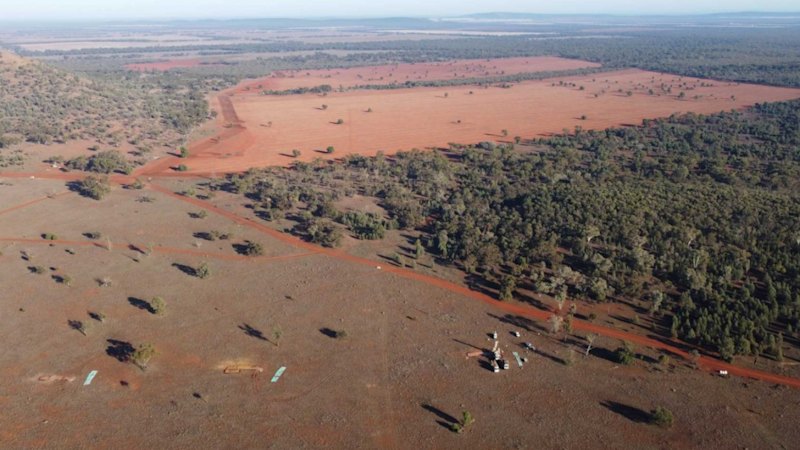
Australian Gold and Copper has struck rich polymetallic mineralisation at Evergreen in NSW, hitting 16m at 2.3g/t gold and 1.4% copper, including a 6.2% copper kicker.