
Australian Defense Department to remove Chinese-made cameras
Feb 9, 2023
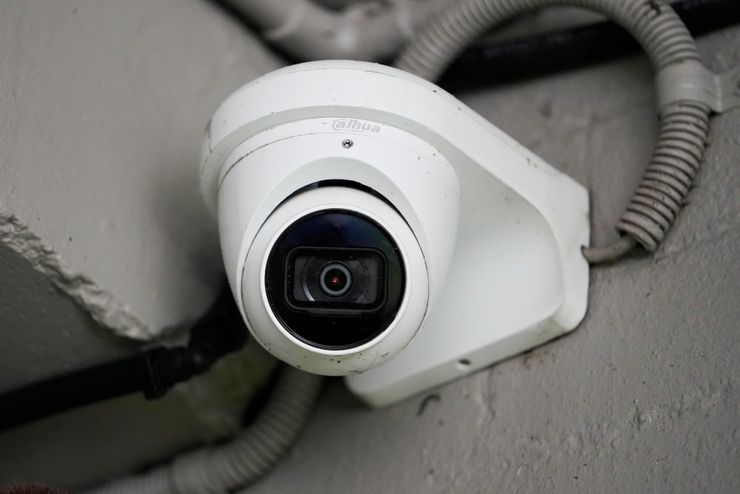
Australia's Defense Department will remove surveillance cameras made by Chinese Communist Party-linked companies from its buildings
CANBERRA, Australia (AP) — Australia’s Defense Department will remove surveillance cameras made by Chinese Communist Party-linked companies from its buildings, the government said Thursday after the U.S. and Britain made similar moves.
The Australian newspaper reported Thursday that at least 913 cameras, intercoms, electronic entry systems and video recorders developed and manufactured by Chinese companies Hikvision and Dahua are in Australian government and agency offices, including the Defense Department and the Department of Foreign Affairs and Trade.
Hikvision and Dahua are partly owned by China's Communist Party-ruled government.
China’s Embassy to Australia did not immediately respond to a request for comment. China’s general response to such moves is to defend their high tech companies as good corporate citizens who follow all local laws and play no part in government or party intelligence gathering.
The U.S. government said in November it was banning telecommunications and video surveillance equipment from several prominent Chinese brands including Hikvision and Dahua in an effort to protect the nation’s communications network.
Security cameras made by Hikvision were also banned from British government buildings in November.
Defense Minister Richard Marles said his department was assessing all its surveillance technology.
“Where those particular cameras are found, they’re going to be removed,” Marles told Australian Broadcasting Corp.
“There is an issue here and we’re going to deal with it,” Marles added.
An audit found that Hikvision and Dahua cameras and security equipment were found in almost every department except the Agriculture Department and the Department of Prime Minister and Cabinet.
The Australian War Memorial and National Disability Insurance Agency have said they would remove the Chinese cameras found at their sites, the ABC reported.
Opposition cybersecurity spokesman James Paterson said he had prompted the audit by asking questions over six months of each federal agency, after the Home Affairs Department was unable to say how many of the cameras, access control systems and intercoms were installed in government buildings.
“We urgently need a plan from the ... government to rip every one of these devices out of Australian government departments and agencies,” Paterson said.
Both companies were subject to China's National Intelligence Law which requires them to cooperate with Chinese intelligence agencies, he said.
“We would have no way of knowing if the sensitive information, images and audio collected by these devices are secretly being sent back to China against the interests of Australian citizens,” Paterson said.
More News
‘I don’t care’: Inside Jensen Huang’s last hours as Nvidia CEO
At the end, Jensen Huang looked broken and shattered, his legendary energy depleted.
I worked part-time at David Jones. I know exactly why the business failed
Lift operators, bra fitters and lying sales assistants – I mourn you all.
How Elon Musk drove the Cybertruck and Tesla’s ambitions off a cliff
Elon Musk’s passion project crashed and burned. Its demise carries a lot of weight,

M.J. Bale axed its retail boss while she was on maternity leave. Now she’s fighting back
The Australian menswear retailer made its high-flying retail boss redundant days before her scheduled return from parental leave.
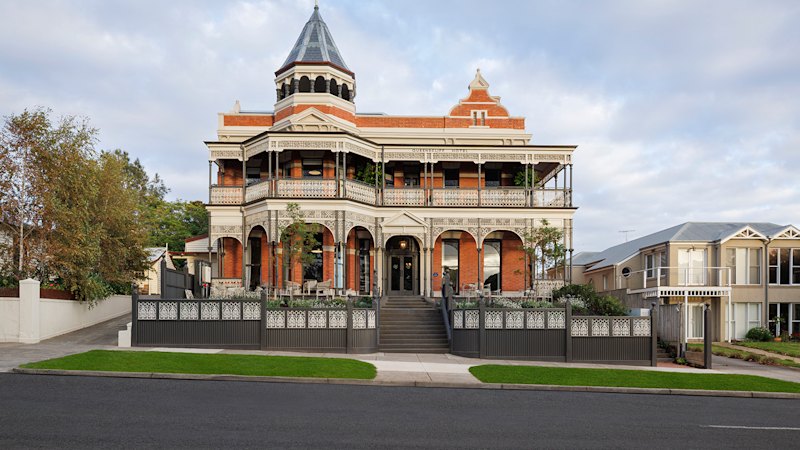
‘Either brave or mad’: A bastion of fine dining gets a sorely needed facelift
Rob and Tammy Charter had other ideas about how they wanted to spend post-work life. Like buying a heritage pub.
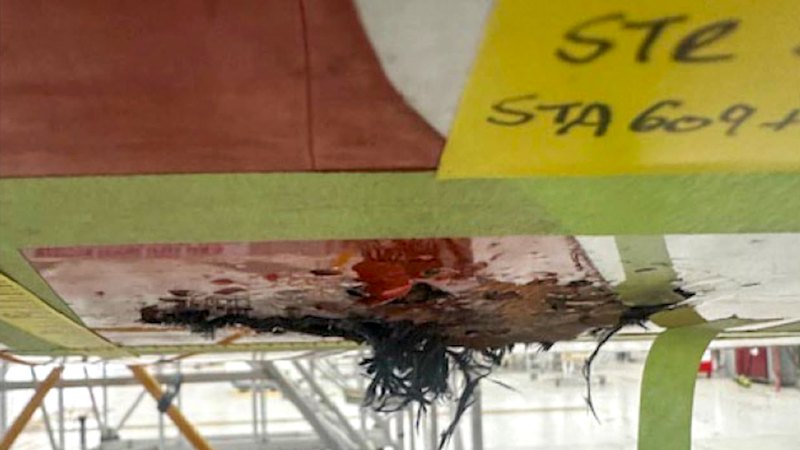
This Qantas jet was hit by lightning. It’s still grounded two weeks later
Pictures show the damage left by a lightning bolt, with charred areas of the skin and mesh exposed, on a plane that arrived in Melbourne from Los Angeles last month.
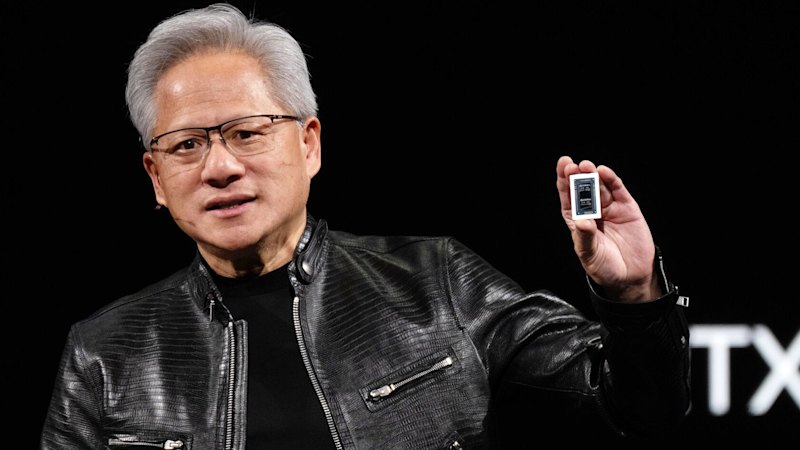
There has never been another scandal like this
Here’s a look at some of the most famous corporate scandals in history. Jensen Huang is really in a league of his own.

Hall of shame: Jensen Huang joins the list of CEOs brought down by affairs
The “close personal relationship” has been the downfall of a number of chief executives over the years.
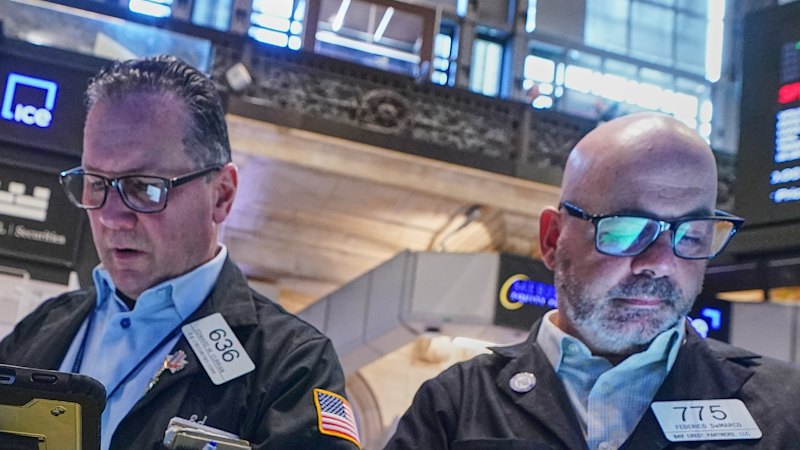
Australian shares limp across the line to end week higher
The sharemarket has risen for six of the past seven weeks despite a weak finish in the final session.
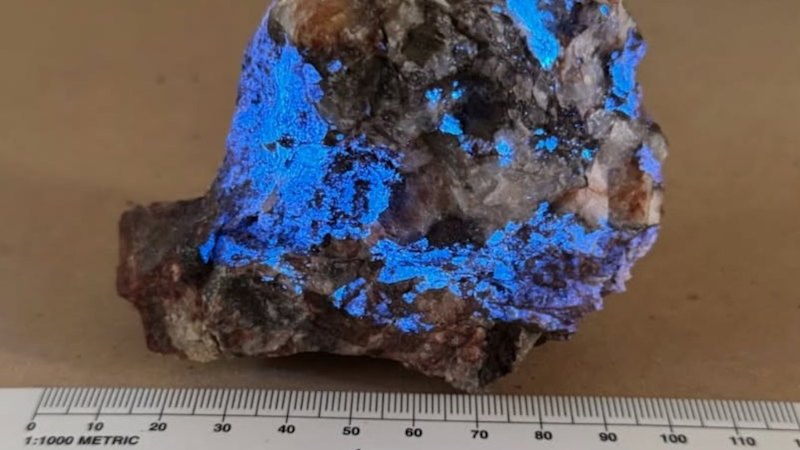
Right Resources puts tungsten twist on historic NSW goldfields
Right Resources is chasing a gold and tungsten double in NSW’s historic Tumbarumba goldfields, armed with promising assays, early metallurgy and modern exploration.
The superchip genius or the big name wildcard? Eight contenders to replace Huang as Nvidia’s CEO
Nvidia chief Jensen Huang has resigned from the chipmaker he co-founded after reports of extramarital affairs made the spotlight.
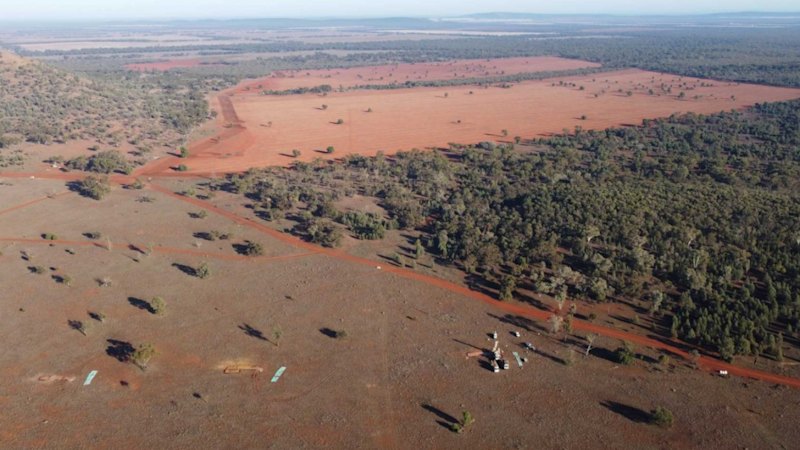
Australian Gold and Copper lands NSW multi-metal bonanza
Australian Gold and Copper has struck rich polymetallic mineralisation at Evergreen in NSW, hitting 16m at 2.3g/t gold and 1.4% copper, including a 6.2% copper kicker.