
Australian wildfire danger causes fire ban in Sydney and closes schools
Sep 19, 2023
Sydney has experienced its first total fire ban in almost three years and several schools along the New South Wales state coast to the south have been closed because of a heightened wildfire danger caused by unusually hot and dry conditions across southeast Australia
SYDNEY (AP) — Sydney experienced its first total fire ban in almost three years on Tuesday and several schools along the New South Wales state coast to the south were closed because of a heightened wildfire danger, caused by unusually hot and dry conditions across southeast Australia.
Authorities have forecast the most destructive wildfire season during the approaching Southern Hemisphere summer in Australia’s populous southeast since the catastrophic Black Summer fires of 2019-20 that killed 33 people, destroyed more than 3,000 homes and razed 19 million hectares (47 million acres).
A total fire ban has been declared for the Greater Sydney area and the coastal communities to the south. It is the first such declaration for Sydney, Australia’s most populous city after Melbourne, since late November 2020.
Sydney matched its September maximum temperature record of 34.6 degrees Celsius (94.3 degrees Fahrenheit ) on Tuesday. The Australian Bureau of Meteorology described it as an unusually warm start to spring for much Australia’s southeast.
“We are in this run of very, very warm weather which hasn’t been seen in many, many years,” the bureau’s senior meteorologist Miriam Bradbury said.
Authorities said 61 wildfires were burning across Australia’s most populous state Tuesday, with 13 burning out of control.
Authorities declared a “catastrophic” fire danger along the south coast of New South Wales, the highest level of danger in a five-tier rating system.
“The problem is when we get into fires in ‘catastrophic’ fire danger rating, there’s not much time for us to get on top of those fires and contain them and once they take hold we won’t be able to put those fires out,” Rural Fire Service Commissioner Rob Rogers said.
“We need to warn the community the risk has elevated and make sure that people focus on life preservation on a day like today,” he added.
State education authorities said 20 schools in south coast communities closed Tuesday because of the fire danger they were exposed to.
The Bureau of Meteorology on Tuesday declared an El Nino weather pattern, which is associated with hotter and drier conditions across the Australian east coast, after three successive La Nina events brought milder and wetter conditions. The World Meteorological Organization declared the onset of an El Nino in July.
“In all likelihood, we can expect that this summer will be hotter than average and certainly hotter than the last three years,” bureau manager Karl Braganza said.
More News

‘I don’t care’: Inside Jensen Huang’s last hours as Nvidia CEO
At the end, Jensen Huang looked broken and shattered, his legendary energy depleted.
I worked part-time at David Jones. I know exactly why the business failed
Lift operators, bra fitters and lying sales assistants – I mourn you all.

How Elon Musk drove the Cybertruck and Tesla’s ambitions off a cliff
Elon Musk’s passion project crashed and burned. Its demise carries a lot of weight,
M.J. Bale axed its retail boss while she was on maternity leave. Now she’s fighting back
The Australian menswear retailer made its high-flying retail boss redundant days before her scheduled return from parental leave.
‘Either brave or mad’: A bastion of fine dining gets a sorely needed facelift
Rob and Tammy Charter had other ideas about how they wanted to spend post-work life. Like buying a heritage pub.
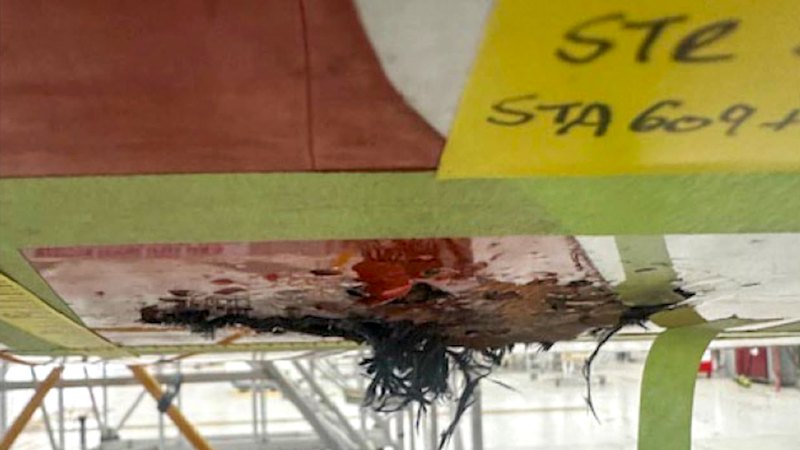
This Qantas jet was hit by lightning. It’s still grounded two weeks later
Pictures show the damage left by a lightning bolt, with charred areas of the skin and mesh exposed, on a plane that arrived in Melbourne from Los Angeles last month.

There has never been another scandal like this
Here’s a look at some of the most famous corporate scandals in history. Jensen Huang is really in a league of his own.

Hall of shame: Jensen Huang joins the list of CEOs brought down by affairs
The “close personal relationship” has been the downfall of a number of chief executives over the years.
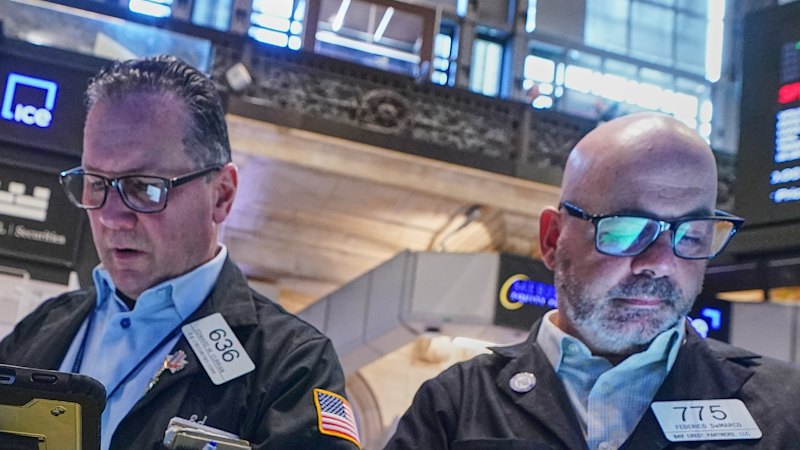
Australian shares limp across the line to end week higher
The sharemarket has risen for six of the past seven weeks despite a weak finish in the final session.

Right Resources puts tungsten twist on historic NSW goldfields
Right Resources is chasing a gold and tungsten double in NSW’s historic Tumbarumba goldfields, armed with promising assays, early metallurgy and modern exploration.
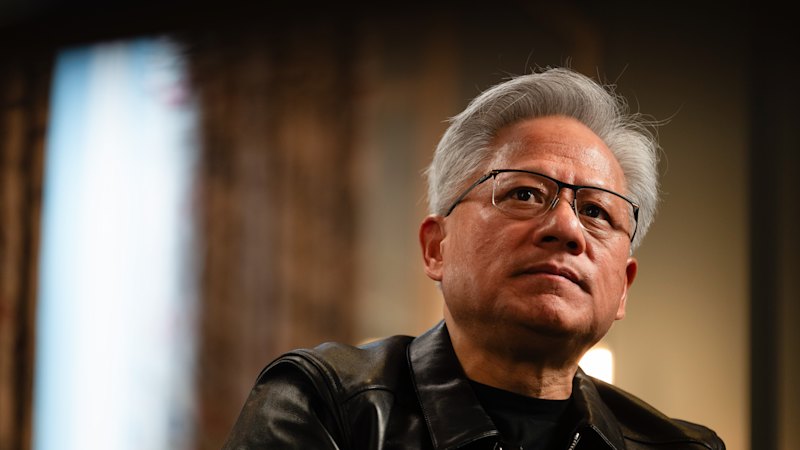
The superchip genius or the big name wildcard? Eight contenders to replace Huang as Nvidia’s CEO
Nvidia chief Jensen Huang has resigned from the chipmaker he co-founded after reports of extramarital affairs made the spotlight.
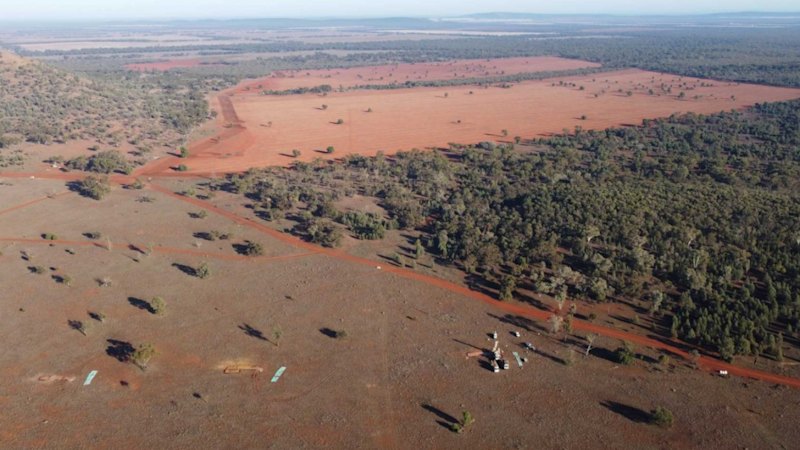
Australian Gold and Copper lands NSW multi-metal bonanza
Australian Gold and Copper has struck rich polymetallic mineralisation at Evergreen in NSW, hitting 16m at 2.3g/t gold and 1.4% copper, including a 6.2% copper kicker.