
China wins WTO dispute with Australia over steel products
Mar 27, 2024
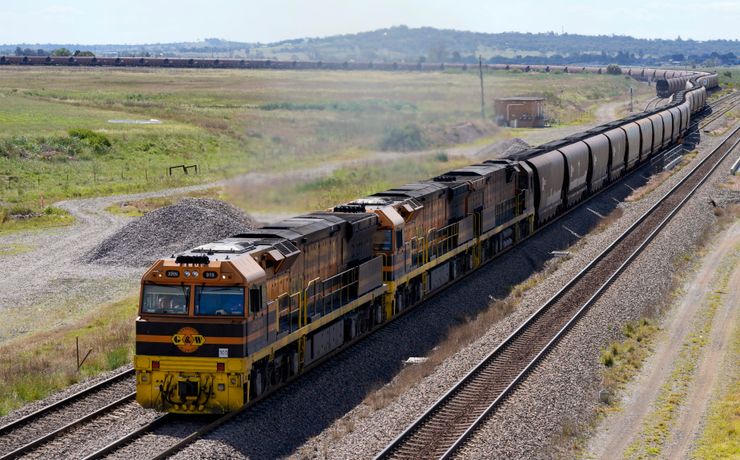
China has won a nearly three-year-long dispute with Australia at the World Trade Organization over tariffs on steel products that began during a low point of bilateral relations between the countries
SYDNEY (AP) — China has won a nearly three-year-long dispute with Australia at the World Trade Organization over tariffs on steel products that began during a
low point of bilateral relations
between the countries, and Australia's trade minister said Wednesday his government accepted the ruling.Beijing took its complaint to the WTO in June 2021 over Australia’s extra duties on railway wheels, wind towers and stainless steel sinks imported from China. Trade in these products was worth 62 million Australian dollars ($40.4 million) in 2022.
On Tuesday, the WTO panel adjudicating the case in Geneva, Switzerland, found that Australia’s investigating authority, the Anti-Dumping Commission, had acted inconsistently with some articles of the anti-dumping agreement.
Australia's Trade Minister Don Farrell said in a statement Wednesday that Canberra accepted the WTO's ruling and supported a rules-based trading system.
“Australia will engage with China and take steps to implement the panel’s findings,” Farrell said.
“Australia remains committed to a fully functioning WTO dispute settlement system so that the rights and obligations of all WTO members can be enforced,” he added.
Trade tariffs have been a hot topic between Beijing and Canberra in recent years after China imposed a raft of sanctions on Australian goods in 2020 during the most recent nadir in the bilateral relationship. It is estimated that the tariffs cost the Australian economy 20 billion Australian dollars ($13 billion).
Most of the tariffs have since been lifted as the relationship thawed
, but tariffs on wine, rock lobster and some abattoirs still remain.In April, Australia suspended a complaint to the WTO in a bid to
reopen the Chinese market to Australian barley
, which had been one of the products targeted by the tariffs and was widely seen as the new Australian government's attempts to repair relations with Beijing.The Australian government has also halted another WTO dispute against China over sanctions on Australian wine worth about 1.1 billion Australian dollars ($720 million) in exchange for a review by China to be completed by the end of March.
More News

Bowser relief: Petrol prices tumble as global oil cost falls
Motorists are finally seeing some relief at the petrol pump after the cost of crude oil falls 20 per cent this month.
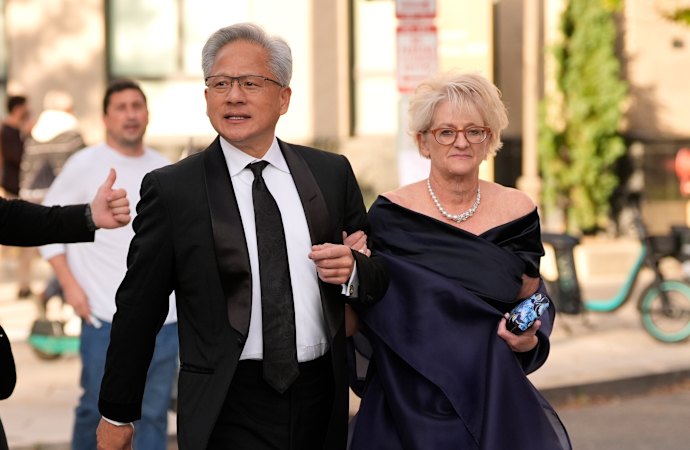
Nvidia billionaire’s affair scandal drags his wife of 41 years into the spotlight
Lori Huang has been by Jensen Huang’s side for decades but has kept a low profile as he built his fledgling start-up into one of the most valuable companies in the world. That all changed this week.

ASX treads water as Nvidia scandal rocks AI sector; Xero soars
The Australian sharemarket has finished little changed amid new uncertainty for global markets, with reports Nvidia is preparing to oust its CEO and founder Jensen Huang.

Capability X defies AI blues with stellar ASX debut
Capability X has defied weak IPO conditions and global AI stock jitters, surging almost 50% to close at 29c on ASX debut after raising $12 million to expand its industrial safety technology.
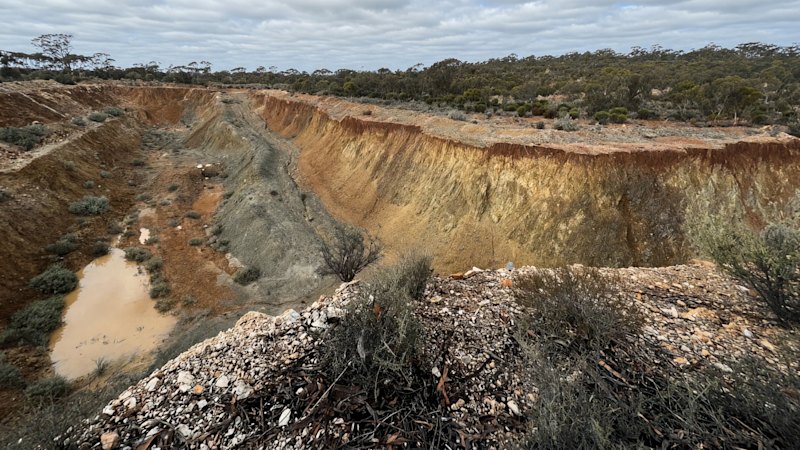
Auric pockets $17M for broad WA gold growth
Auric Mining has locked in $17 million to accelerate its WA gold growth strategy, including drilling at its Munda, Union Jack and newly acquired Iron Maiden projects.
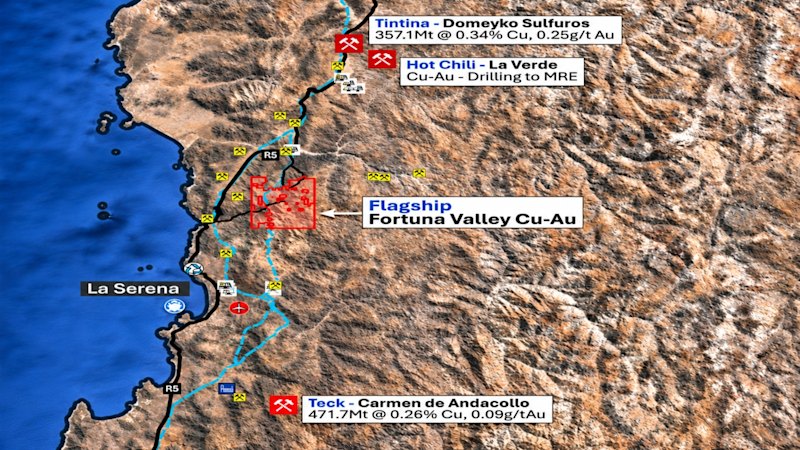
Flagship bags district-scale Chilean copper-gold project
Flagship Minerals secured an option over the district-scale Fortuna Valle copper-gold project in Chile’s prolific Coquimbo region, boasting widespread historical drill hits.
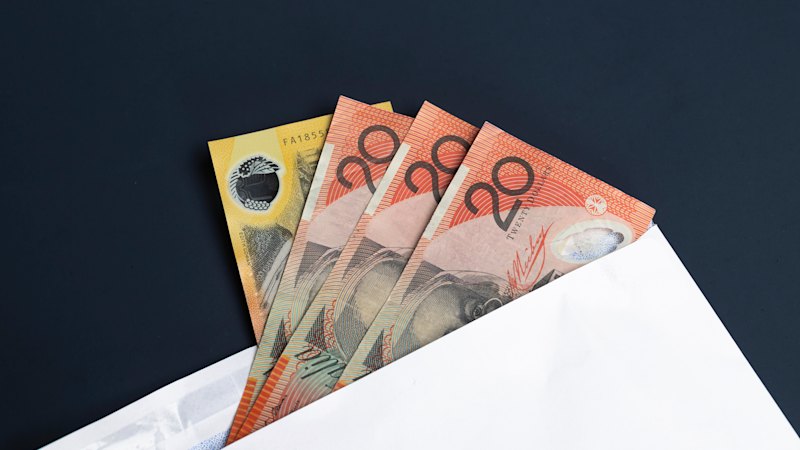
Want a bigger pay rise? You’re probably making this mistake
The ‘peanut butter raise’ usually gets spread evenly, but there are always a few extra crunchy bits for those who can make the right case.
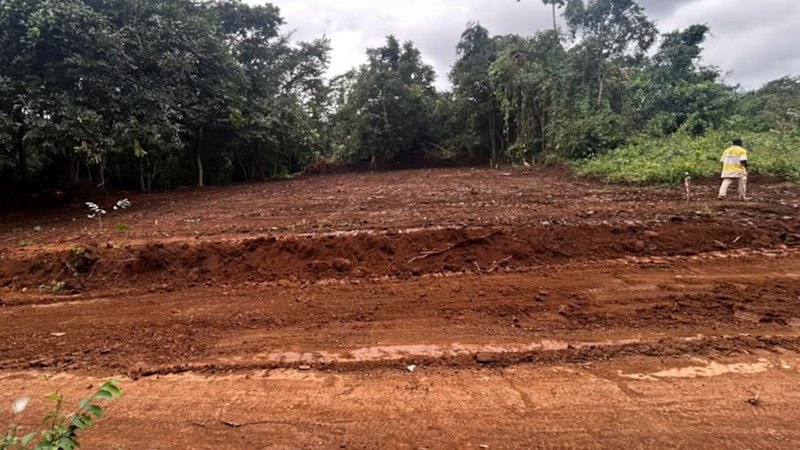
Dalaroo fires up diamond drill hunt for African gold riches
Dalaroo Metals is set to drill its high-grade Bondoukou gold discovery in Côte d’Ivoire, with a rig now mobilising to site to test extensions of an 18m hit grading 7.31 g/t gold.
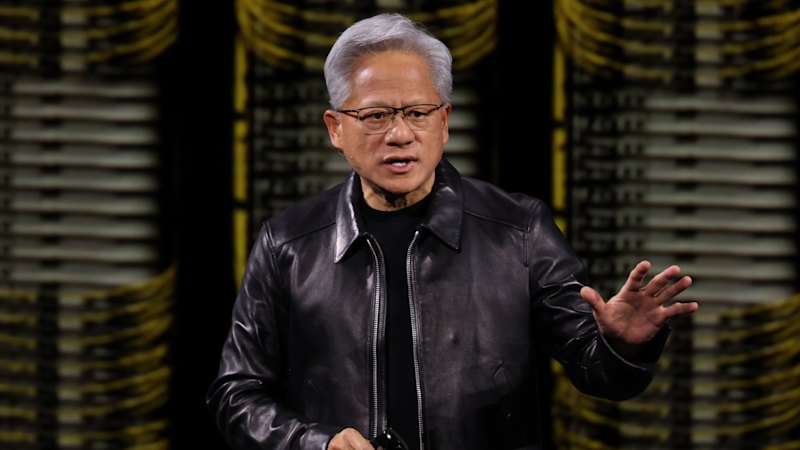
Nvidia ‘preparing to oust’ Jensen Huang, allegation of second affair emerges
Nvidia’s board is believed to be meeting to discuss the future of its founder and CEO following reports of multiple extramarital affairs, including one with a suspected Chinese spy.

Miro clears TGA audit ahead of Crohn’s disease trial
Miro Sciences has cleared a TGA manufacturing hurdle for its Crohn’s trial, with the regulator inspecting its partner’s facility ahead of a planned Phase 2 study for its StemSmart cell therapy.

China’s property implosion has further to go, and markets are worried
The scare over a liquidity crisis in a state-owned company in Guangdong has rippled through China’s debt markets and shone a light on the financial pressure in its local governments.
CBA sued for overcharging tens of thousands of businesses
The corporate regulator has started legal proceedings against the nation’s biggest bank, alleging that it misled 42,000 business customers and overcharged them about $8.5 million in fees.