
Chinese coal mine plans scaled down on Australian farmland
Jul 12, 2017
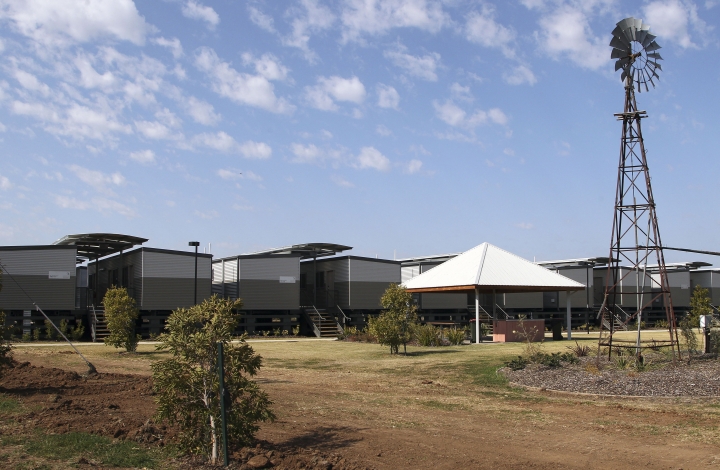
A state government says it will buy back most of a Chinese mining company's coal exploration license for 262 million Australian dollars ($201 million) in a bid to protect some of Australia's most fertile farmland
CANBERRA, Australia — A state government said on Wednesday it would buy back most of a Chinese mining company's coal exploration license for 262 million Australian dollars ($201 million) to help protect some of Australia's most fertile farmland.
The New South Wales state government said it would buy back 51.4 percent of state-owned China Shenhua Energy's license covering the Liverpool Plains, 440 kilometers (275 miles) northwest of Sydney.
Shenhau Watermark Coal, an Australian subsidiary, paid the government AU$300 million in 2008 for exploration rights over the prime farmland, sparking outrage from local farmers and agriculture advocates.
Coal and iron ore are Australia's most lucrative exports and a commodity price boom at the time driven by Chinese industrial demand made coal seams beneath farmland in parts of Australia increasingly more valuable than any crop.
Resources Minister Don Harwin said Shenhau would be left to explore the mountain ridges that border the 12,400-square-kilometer (4,800-square-mile) flatland.
"We've acted today to make sure that there can be no mining on the fertile, black soil of the Liverpool Plains," Harwin told reporters.
Shenhau and successive state governments have always maintained that the plan was to restrict mining to the ridges. The company paid inflated prices to buy dozens of farms that would be impacted by dust, noise and traffic from the open-cut mining operations.
Farmers fear that the massive excavations threatened aquifers that provide ground water for agriculture throughout the region.
Shenhua said in a statement it had "expressed its disappointment" at the government's decision, but would continue with plans to mine the smaller area.
"The Watermark Coal Mine has been subject to unprecedented scrutiny which has demonstrated the project can be developed in an environmentally sustainable manner," Shenhua Australia chairman Liu Xiang said.
Former local farmer and anti-mine campaigner Tim Duddy welcomed the license change as "a very, very big win."
Shenhua would now have to propose a new mining plan and would face stiff opposition, he said.
"The day that Shenhua leave — and they will — is the day we will have won. But this is a good step," Duddy told Australian Broadcasting Corp.
More News
The superchip genius or the big name wildcard? Eight contenders to replace Huang as Nvidia’s CEO
Nvidia chief Jensen Huang has resigned from the chipmaker he co-founded after reports of extramarital affairs made the spotlight.
ASX set for flat start, Nvidia scandal weighs on Wall Street
US stocks closed lower as a pullback in big AI-focused companies weighed on the market, capping a turbulent week on Wall Street.
The real pain from rising interest rates is yet to come
The number of borrowers who are behind on their mortgage payments is rising, and it’s likely to climb further as rate hikes bite.
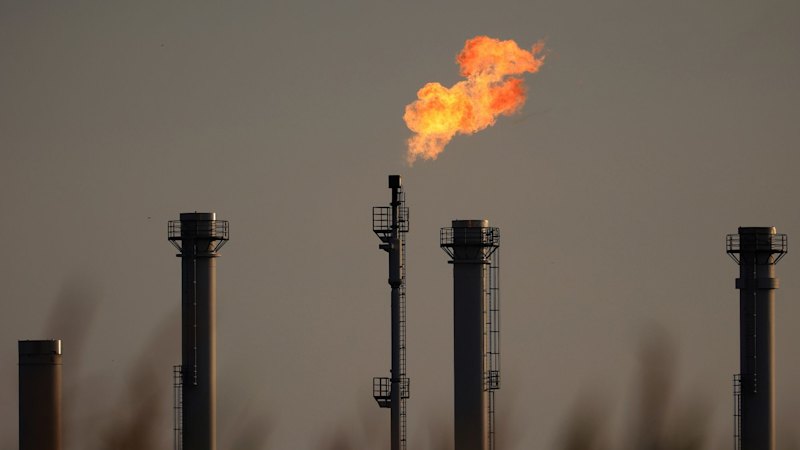
Coalition threat to sink gas reform triggers rare industry backlash
A broad alliance of business chiefs and unions has mounted a last-minute push for the Coalition to pass Labor’s domestic gas-reservation laws.

A new fast-food giant is coming to Australia. Its unusual ingredients aren’t the only talking point
A new chain will enter Australia’s crowded fast-food chicken market after wowing Anthony Albanese at one of its Manila stores. We put some of its dishes to the test.
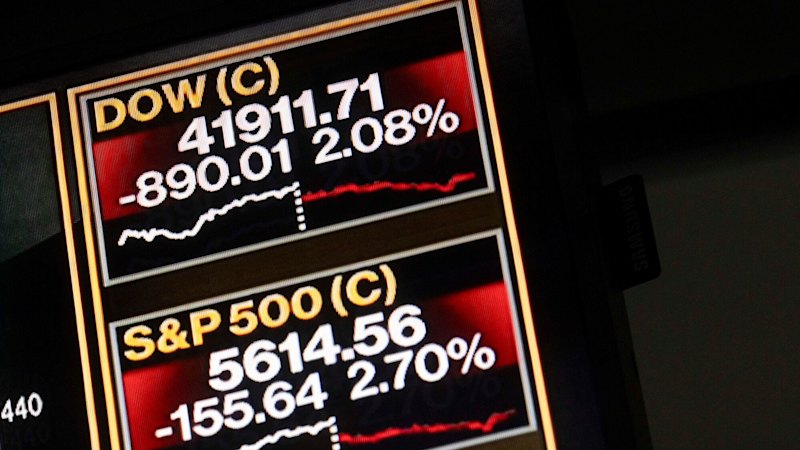
Wall Street’s wild Nvidia ride delivers big paydays and even bigger bruises
Investors are doubling down on speculative wagers that have delivered both spectacular gains and crushing losses this year.

Inside Boeing’s mission to rebuild trust in the 737 after years of turbulence
In the airline industry, attention to detail is everything. Boeing’s recovery is tied to reforms on its manufacturing floor in Washington.

Commercial childcare is hitting a brick wall. Who will pick up the pieces?
Australia’s largest childcare provider has signalled its intent to surrender to a lowball private equity bid as other for-profit providers collapse in record numbers.
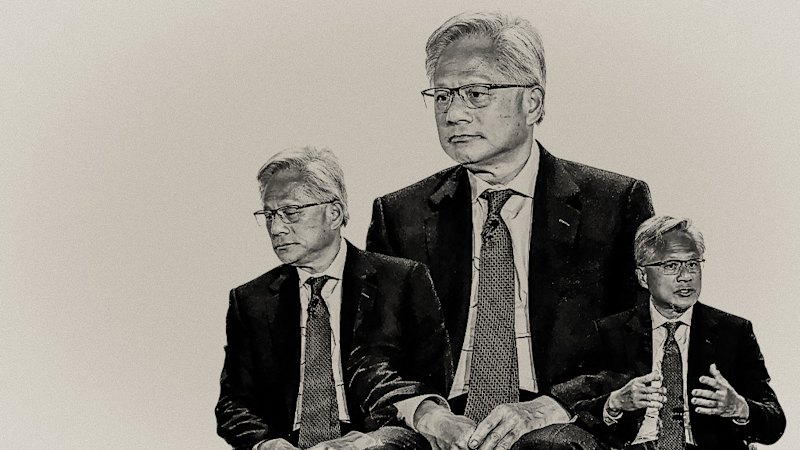
‘I don’t care’: Inside Jensen Huang’s last hours as Nvidia CEO
At the end, Jensen Huang looked broken and shattered, his legendary energy depleted.
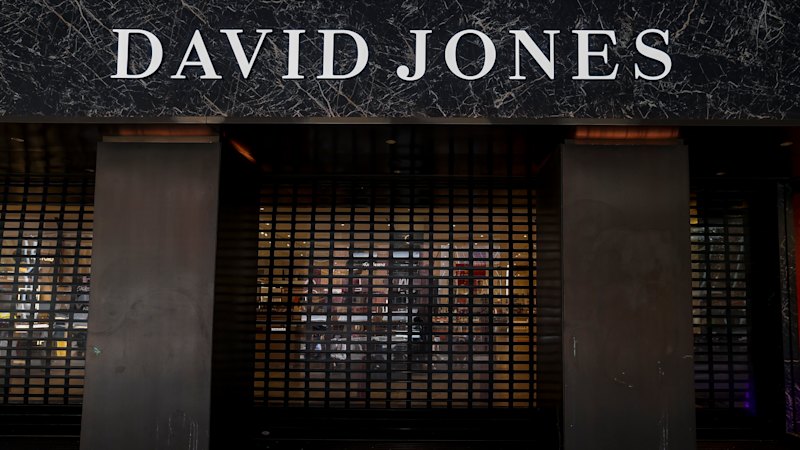
I worked part-time at David Jones. I know exactly why the business failed
Lift operators, bra fitters and lying sales assistants – I mourn you all.
How Elon Musk drove the Cybertruck and Tesla’s ambitions off a cliff
Elon Musk’s passion project crashed and burned. Its demise carries a lot of weight,
M.J. Bale axed its retail boss while she was on maternity leave. Now she’s fighting back
The Australian menswear retailer made its high-flying retail boss redundant days before her scheduled return from parental leave.