
Final vote count in New Zealand election tightens close race
Oct 7, 2017
New Zealanders still don't know who will next lead their country after a final vote count from a general election two weeks ago tightened the close race between liberals and incumbent conservatives.
TURANGI, New Zealand — New Zealanders still don't know who will next lead their country after a final vote count from a general election held two weeks ago tightened the close race between liberals and incumbent conservatives.
Election officials on Saturday released the final 17 percent of the vote tally, including votes cast by people who were outside of their district or overseas during the election. The conservative National Party ended with 44 percent of the vote, while the liberal bloc of the Labour Party and the Green Party ended with a combined 43 percent.
Negotiations to form the next government will now begin in earnest.
Both sides will need to talk with the small New Zealand First party, led by maverick 72-year-old lawmaker Winston Peters. That party finished with 7 percent of the vote, leaving it holding the balance of power.
Peters hasn't indicated which of the larger parties he favors. A former National Party lawmaker, Peters has formed coalitions in the past with both National and Labour.
In the 120-seat parliament, the votes translate to 56 seats for National, 46 for Labour, nine for New Zealand First and eight for the Green Party. The final vote count gave both Labour and the Green Party one extra seat apiece over their election night tally. Those came at the expense of the National Party, which lost two seats.
Prime Minister Bill English said voters had clearly favored National over Labour and he looked forward to engaging with Peters so National could lead a strong and stable government.
The National Party has held power for the past nine years.
"Not since 1969 has the National Party finished ahead of the Labour opposition at four successive elections, and I want to thank everyone involved in this historic achievement," English said in a statement.
Labour leader Jacinda Ardern said she welcomed the final tally.
"Today's final election count has strengthened the mandate for change," she said in a statement.
Peters has said he plans to make a decision this week.
His policies are eclectic. He wants to drastically reduce immigration and stop foreigners from buying farms. He opposes plans by the National Party to increase the pension age and plans by the Labour Party to tax certain water users.
Until negotiations are complete, English will remain as caretaker prime minister.
More News
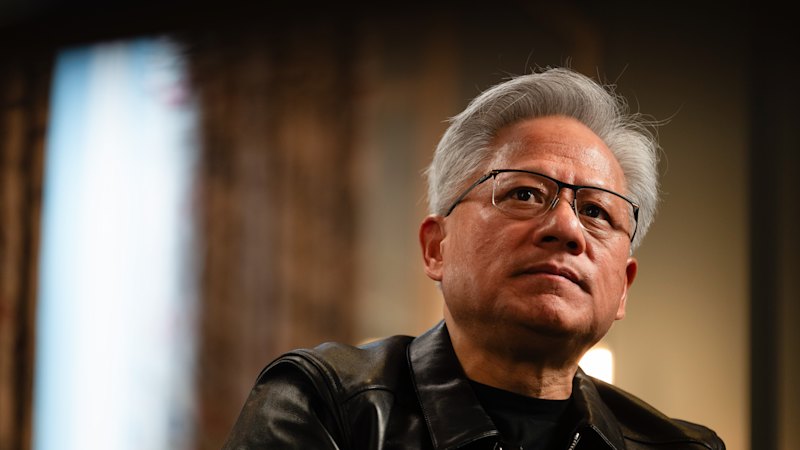
The superchip genius or the big name wildcard? Eight contenders to replace Huang as Nvidia’s CEO
Nvidia chief Jensen Huang has resigned from the chipmaker he co-founded after reports of extramarital affairs made the spotlight.
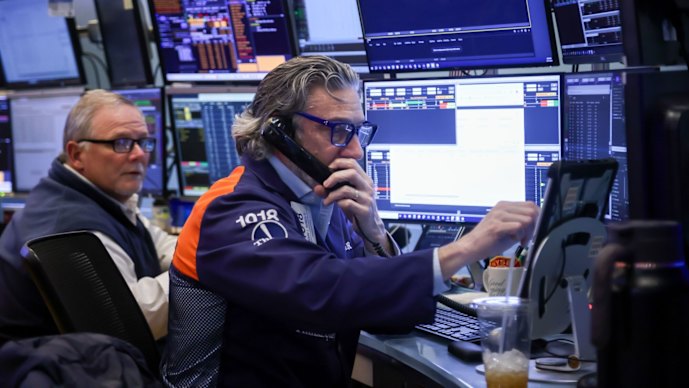
ASX set for flat start, Nvidia scandal weighs on Wall Street
US stocks closed lower as a pullback in big AI-focused companies weighed on the market, capping a turbulent week on Wall Street.
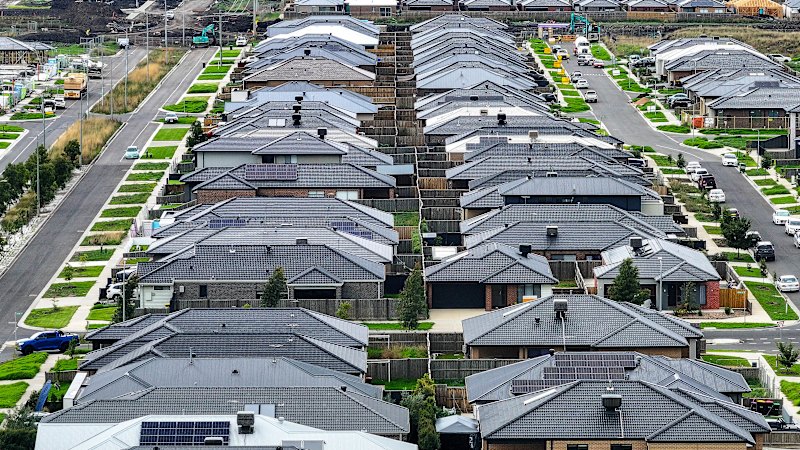
The real pain from rising interest rates is yet to come
The number of borrowers who are behind on their mortgage payments is rising, and it’s likely to climb further as rate hikes bite.
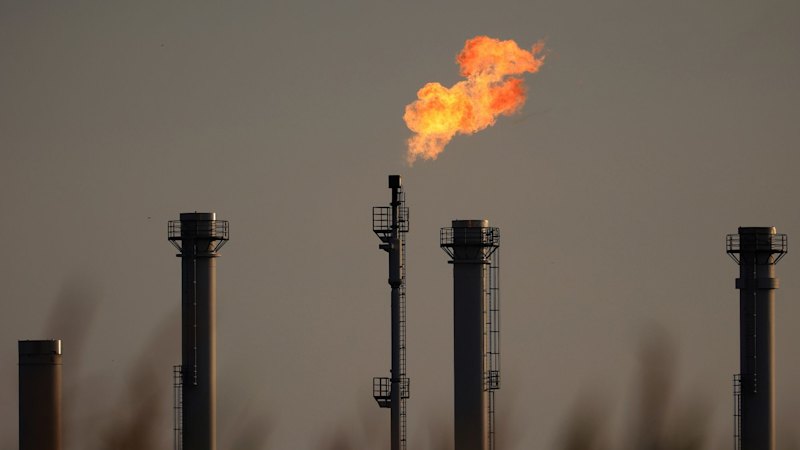
Coalition threat to sink gas reform triggers rare industry backlash
A broad alliance of business chiefs and unions has mounted a last-minute push for the Coalition to pass Labor’s domestic gas-reservation laws.

A new fast-food giant is coming to Australia. Its unusual ingredients aren’t the only talking point
A new chain will enter Australia’s crowded fast-food chicken market after wowing Anthony Albanese at one of its Manila stores. We put some of its dishes to the test.
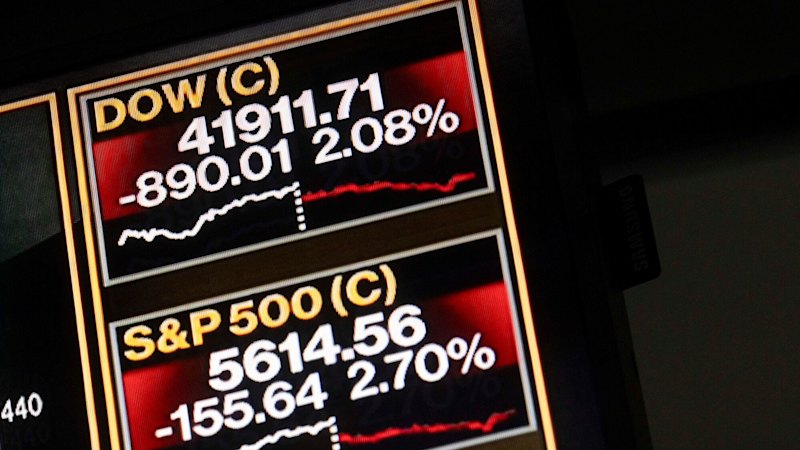
Wall Street’s wild Nvidia ride delivers big paydays and even bigger bruises
Investors are doubling down on speculative wagers that have delivered both spectacular gains and crushing losses this year.

Inside Boeing’s mission to rebuild trust in the 737 after years of turbulence
In the airline industry, attention to detail is everything. Boeing’s recovery is tied to reforms on its manufacturing floor in Washington.

Commercial childcare is hitting a brick wall. Who will pick up the pieces?
Australia’s largest childcare provider has signalled its intent to surrender to a lowball private equity bid as other for-profit providers collapse in record numbers.
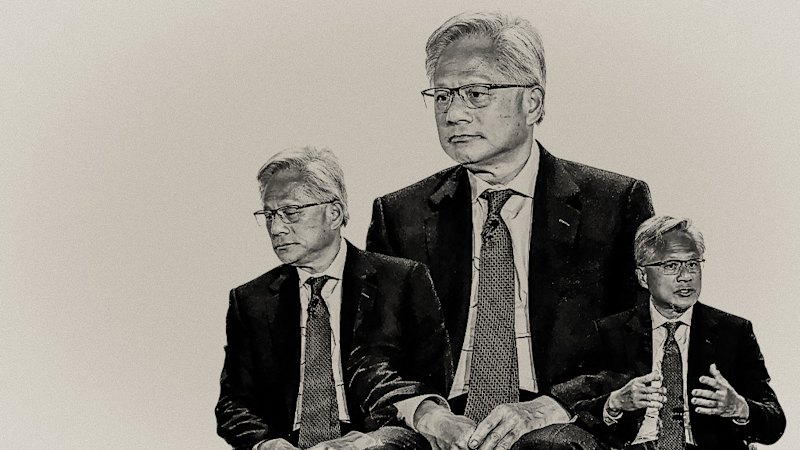
‘I don’t care’: Inside Jensen Huang’s last hours as Nvidia CEO
At the end, Jensen Huang looked broken and shattered, his legendary energy depleted.
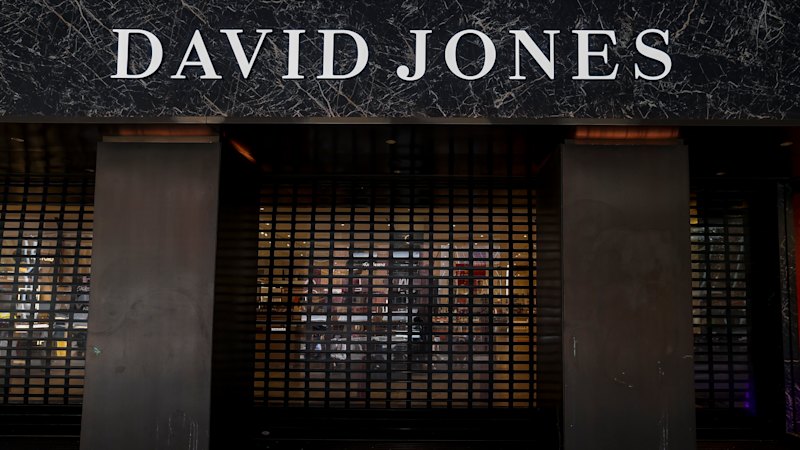
I worked part-time at David Jones. I know exactly why the business failed
Lift operators, bra fitters and lying sales assistants – I mourn you all.
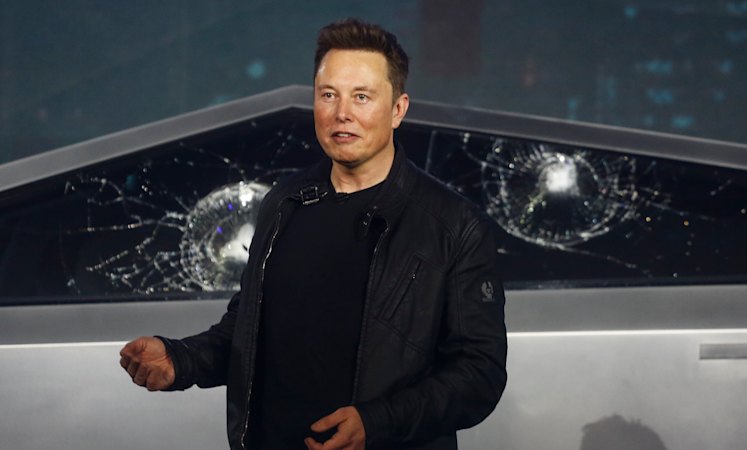
How Elon Musk drove the Cybertruck and Tesla’s ambitions off a cliff
Elon Musk’s passion project crashed and burned. Its demise carries a lot of weight,
M.J. Bale axed its retail boss while she was on maternity leave. Now she’s fighting back
The Australian menswear retailer made its high-flying retail boss redundant days before her scheduled return from parental leave.