
Australians set for non-binding mail ballot on gay marriage
Aug 9, 2017
Australians are set to vote on gay marriage through a non-binding ballot by mail next month after the Senate thwarted the government's preferred option for gauging public opinion before legislating the issue
CANBERRA, Australia — Australians are set to vote on gay marriage through a non-binding ballot by mail next month after the Senate on Wednesday thwarted the government's preferred option for gauging public opinion before legislating the issue.
But the so-called postal plebiscite has never been tried in Australia and faces court challenges by gay-rights advocates who want Parliament to legislate marriage equality now without an opinion poll.
An independent lawmaker and two rights advocates said they would lodge an application in the High Court on Wednesday for an injunction to prevent the vote going ahead.
The conservative government's preferred option was a compulsory plebiscite which would be conducted like a general election with ballot boxes around Australia on Nov. 25. The cost would have been 170 million Australian dollars ($135 million).
The voluntary plebiscite, in which voters would mail their ballots from Sept. 12 until Nov. 7, would cost AU$122 million. Opponents say the result would be less representative of the Australian population and that young adults would be particularly underrepresented because they are less familiar with traditional mail.
The government had hoped that the threat of the inferior alternative of the postal plebiscite would make the Senate reconsider its decision last November to block the plebiscite.
But the government's second bid was defeated on Wednesday by a 31-vote tie.
Opposition Senate leader Penny Wong said that some lawmakers in the ruling coalition would never vote for marriage equality, regardless of public opinion.
"This is a vote because some in the coalition can never countenance equality and they're never going to change their minds. They simply cannot countenance people like me and others being equal," Wong, a lesbian, told the Senate.
Janet Rice, a senator in the minor Greens party, said she was only able to remain married to her transgender wife of 31 years, Penny, because Penny remained listed as male on her birth certificate, despite transitioning 13 years ago .
"There are very good reasons why you don't put issues of human rights to a public vote," Rice told the Senate. "The hurt, the hatred, the attacks on LGBTI people are going to be amplified in our community."
Lawyers have questioned the government's justification for using an emergency fund to pay for the postal vote without Senate approval and its extraordinary decision to commission the Australian Bureau of Statistics to conduct the survey. While the bureau has authority to gather data from the population, there are questions about whether that power extends to opinions.
Andrew Wilkie, the lawmaker who is launching the court challenge with marriage equality advocates Shelley Argent and Felicity Marlowe, said the government was exceeding its constitutional authority.
"I am ... deeply worried that a government — any government — thinks that it has the authority to bypass the Parliament, that any government thinks that it is a law unto itself, that any government would think that the constitution doesn't matter. Well, it does matter and we're going to the high court and make sure it matters," Wilkie told reporters.
Successive opinion polls show most Australians support gay marriage. But national referendums in Australian rarely change the status quo. Gay-rights advocates fear that on an issue that doesn't directly affect most Australians, a majority might be persuaded to opt against change.
Former Prime Minister Tony Abbott, who is still a government lawmaker, began campaigning against gay marriage on Wednesday ahead of the Senate vote.
"I say to you: If you don't like same-sex marriage, vote 'no.' If you worry about freedom of speech and freedom of religion, vote 'no;' and if you don't like political correctness, vote 'no' because this is the best way to stop it in its tracks," Abbott told reporters outside Parliament House.
Parliament would vote on legislation before Dec. 7, but only if the plebiscite shows most Australians want gay marriage.
Marriage equality advocate Rodney Croome said a survey of more than 5,000 gay and lesbian Australians two weeks ago found only 15 percent urged a boycott of a plebiscite.
"Fifty-six percent said 'We would want it opposed, but if it's going ahead, we would want to ... work to win it," Croome said.
More News
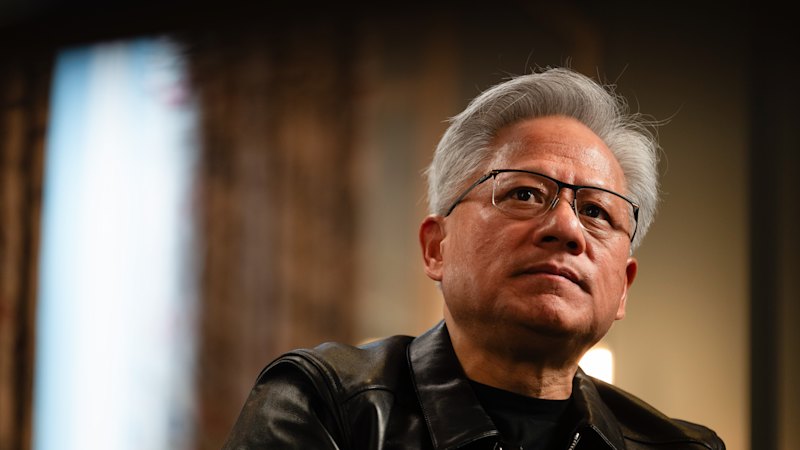
The superchip genius or the big name wildcard? Eight contenders to replace Huang as Nvidia’s CEO
Nvidia chief Jensen Huang has resigned from the chipmaker he co-founded after reports of extramarital affairs made the spotlight.
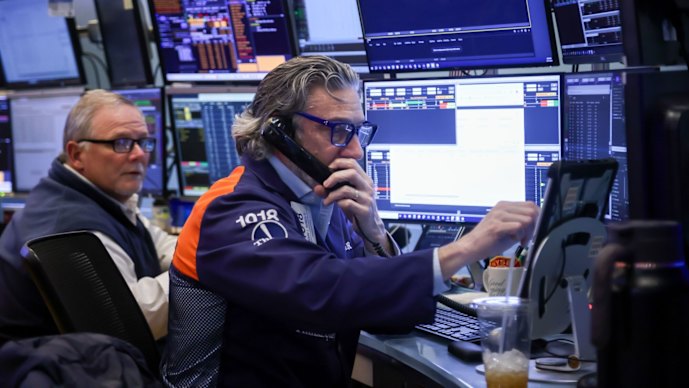
ASX set for flat start, Nvidia scandal weighs on Wall Street
US stocks closed lower as a pullback in big AI-focused companies weighed on the market, capping a turbulent week on Wall Street.
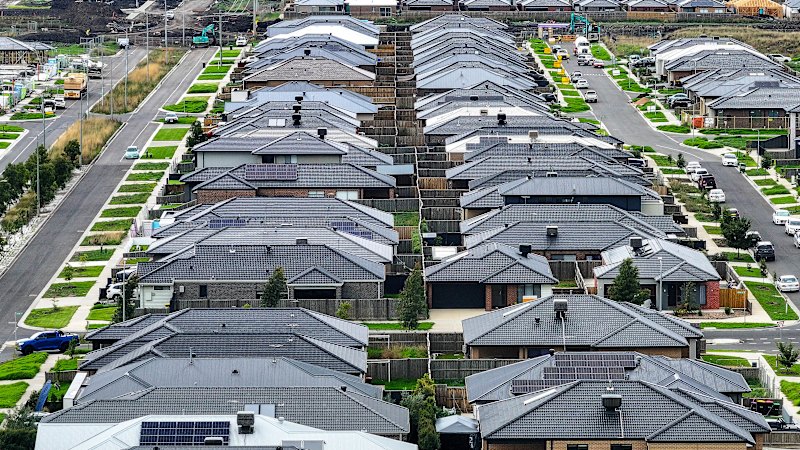
The real pain from rising interest rates is yet to come
The number of borrowers who are behind on their mortgage payments is rising, and it’s likely to climb further as rate hikes bite.
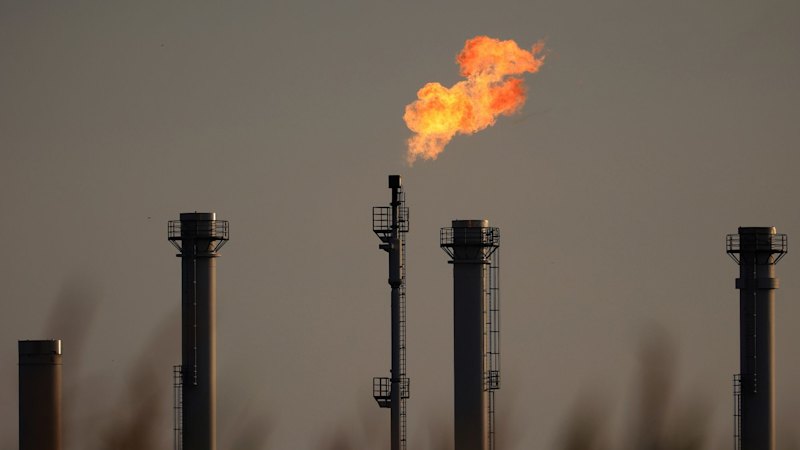
Coalition threat to sink gas reform triggers rare industry backlash
A broad alliance of business chiefs and unions has mounted a last-minute push for the Coalition to pass Labor’s domestic gas-reservation laws.

A new fast-food giant is coming to Australia. Its unusual ingredients aren’t the only talking point
A new chain will enter Australia’s crowded fast-food chicken market after wowing Anthony Albanese at one of its Manila stores. We put some of its dishes to the test.
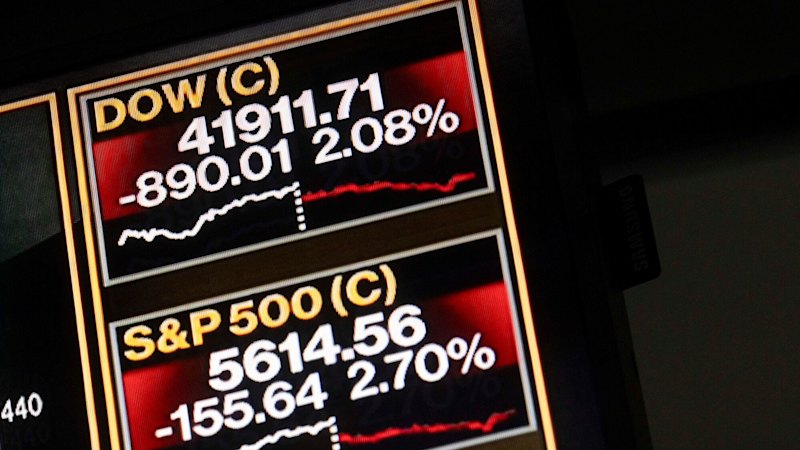
Wall Street’s wild Nvidia ride delivers big paydays and even bigger bruises
Investors are doubling down on speculative wagers that have delivered both spectacular gains and crushing losses this year.

Inside Boeing’s mission to rebuild trust in the 737 after years of turbulence
In the airline industry, attention to detail is everything. Boeing’s recovery is tied to reforms on its manufacturing floor in Washington.

Commercial childcare is hitting a brick wall. Who will pick up the pieces?
Australia’s largest childcare provider has signalled its intent to surrender to a lowball private equity bid as other for-profit providers collapse in record numbers.
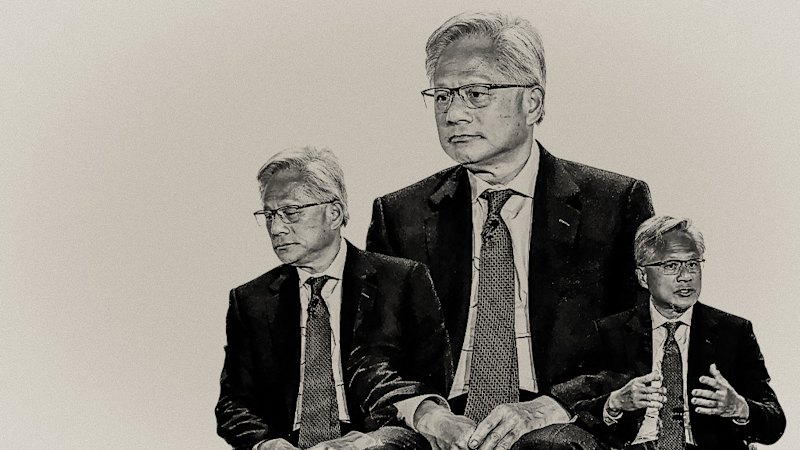
‘I don’t care’: Inside Jensen Huang’s last hours as Nvidia CEO
At the end, Jensen Huang looked broken and shattered, his legendary energy depleted.
I worked part-time at David Jones. I know exactly why the business failed
Lift operators, bra fitters and lying sales assistants – I mourn you all.
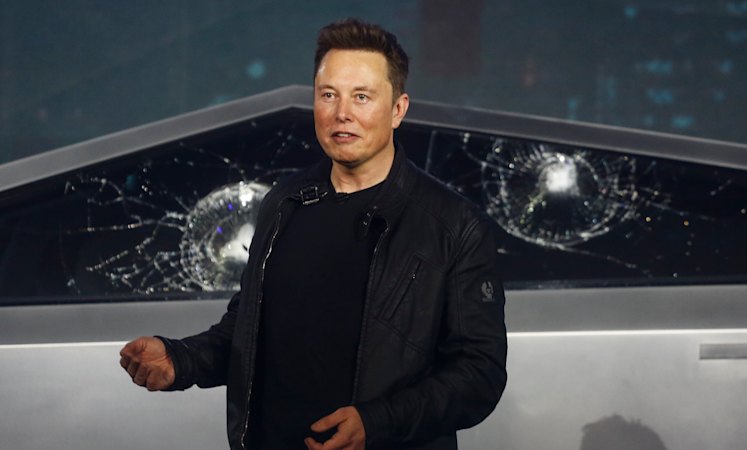
How Elon Musk drove the Cybertruck and Tesla’s ambitions off a cliff
Elon Musk’s passion project crashed and burned. Its demise carries a lot of weight,
M.J. Bale axed its retail boss while she was on maternity leave. Now she’s fighting back
The Australian menswear retailer made its high-flying retail boss redundant days before her scheduled return from parental leave.