
January was officially Australia's hottest month on record
Feb 1, 2019
Australia has sweltered through its hottest month on record in January and the summer of extremes continues with wildfires razing the drought-parched south while expanses of the tropical north are flooded
CANBERRA, Australia — Australia sweltered through its hottest month on record in January and the summer of extremes continued with wildfires razing the drought-parched south and flooding in expanses of the tropical north.
Australia's Bureau of Meteorology confirmed the January record on Friday as parts of the northern hemisphere had record cold.
Australia's scorching start to 2019 — in which the mean temperature across the country for the first time exceeded 30 degrees Celsius (86 degrees Fahrenheit) — followed Australia's third-hottest year on record. Only 2005 and 2013 were warmer than 2018, which ended with the hottest December on record.
Heat-stressed bats dropped dead from trees by the thousands in Victoria state and bitumen roads melted in New South Wales during heatwaves last month.
New South Wales officials say drought-breaking rains are needed to improve the water quality in a stretch of a major river system where hundreds of thousands of fish died in two mass deaths during January linked to excessive heat. A South Australia state government report on Thursday found that too much water had been drained from the river system for farming under a management plan that did not take into account the impact of climate change on the river's health.
The South Australian capital Adelaide on Jan. 24 recorded the hottest day ever for a major Australian city — a searing 46.6 C (115.9 F).
On the same day, the South Australian town of Port Augusta, population 15,000, recorded 49.5 C (121.1 F) — the highest maximum anywhere in Australia last month.
Bureau senior climatologist Andrew Watkins described January's heat as unprecedented.
"We saw heatwave conditions affect large parts of the country through most of the month, with records broken for both duration and also individual daily extremes," Watkins said in a statement.
The main contributor to the heat was a persistent high-pressure system over the Tasman Sea between Australia and New Zealand that blocked cold fronts from reaching southern Australia.
Rainfall was below-average for most of the country, but the monsoonal trough has brought flooding rains to northern Queensland state in the past week, leading to a disaster declaration around the city of Townsville.
Queensland's flooded Daintree River reached a 118-year high this week.
Emergency services reported rescuing 28 people from floodwaters in the past week.
"The vast bulk of the population will not have experienced this type of event in their lifetime," State Disaster Coordinator Bob Gee told reporters, referring to the extraordinary flooding.
Townsville Mayor Jenny Hill described the torrential rain as a "one-in-100-year event" that had forced authorities to release water from the city dam. The water release would worsen flooding in low-lying suburbs, but would prevent the Ross River from breaking its banks.
In the southern island state of Tasmania, authorities are hoping rain will douse more than 40 fires that have razed more than 187,000 hectares (720 square miles) of forest and farmland by Friday. Dozens of houses have been destroyed by fires and flooding in recent weeks.
Milder weather since Thursday has lowered the fire danger but it was forecast to escalate again from Sunday.
The Climate Council, an Australian independent organization formed to provide authoritative climate change information to the public, said the January heat record showed the government needed to curb Australia's greenhouse gas emissions which have increased during each of the past four years.
"Climate change is cranking up the intensity of extreme heat, and January's record-breaking month is part of a sharp, long-term upswing in temperatures driven primarily from the burning of fossil fuels," the council's acting chief executive Martin Rice said in a statement.
More News
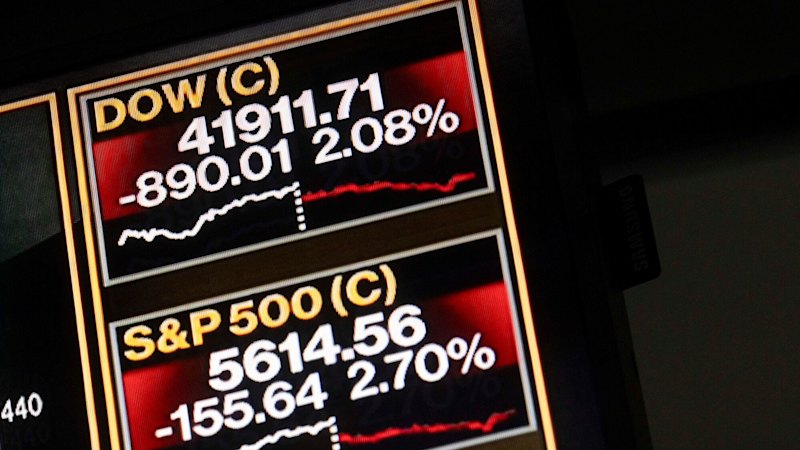
Wall Street’s wild Nvidia ride delivers big paydays and even bigger bruises
Investors are doubling down on speculative wagers that have delivered both spectacular gains and crushing losses this year.

Inside Boeing’s mission to rebuild trust in the 737 after years of turbulence
In the airline industry, attention to detail is everything. Boeing’s recovery is tied to reforms on its manufacturing floor in Washington.

Commercial childcare is hitting a brick wall. Who will pick up the pieces?
Australia’s largest childcare provider has signalled its intent to surrender to a lowball private equity bid as other for-profit providers collapse in record numbers.

‘I don’t care’: Inside Jensen Huang’s last hours as Nvidia CEO
At the end, Jensen Huang looked broken and shattered, his legendary energy depleted.
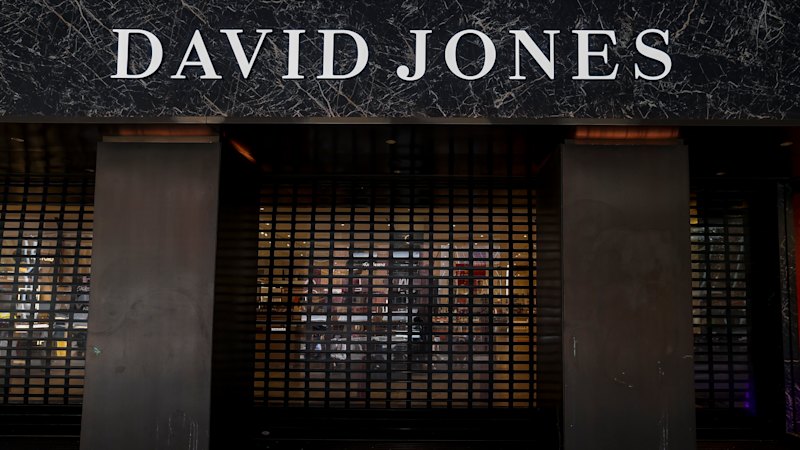
I worked part-time at David Jones. I know exactly why the business failed
Lift operators, bra fitters and lying sales assistants – I mourn you all.

How Elon Musk drove the Cybertruck and Tesla’s ambitions off a cliff
Elon Musk’s passion project crashed and burned. Its demise carries a lot of weight,

M.J. Bale axed its retail boss while she was on maternity leave. Now she’s fighting back
The Australian menswear retailer made its high-flying retail boss redundant days before her scheduled return from parental leave.
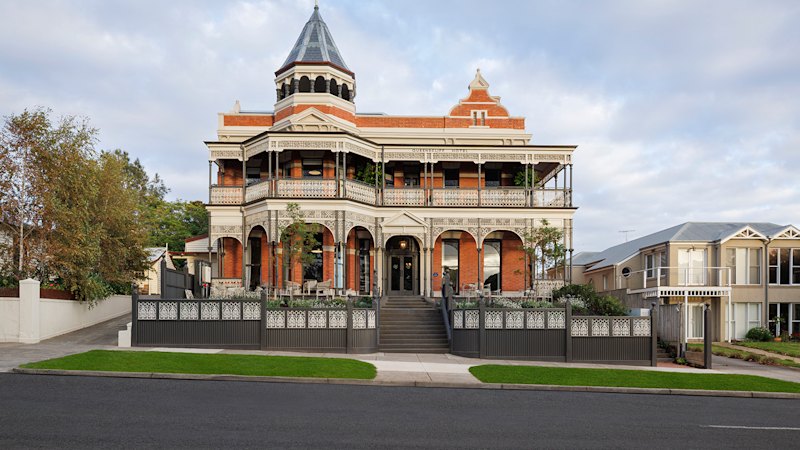
‘Either brave or mad’: A bastion of fine dining gets a sorely needed facelift
Rob and Tammy Charter had other ideas about how they wanted to spend post-work life. Like buying a heritage pub.

This Qantas jet was hit by lightning. It’s still grounded two weeks later
Pictures show the damage left by a lightning bolt, with charred areas of the skin and mesh exposed, on a plane that arrived in Melbourne from Los Angeles last month.

There has never been another scandal like this
Here’s a look at some of the most famous corporate scandals in history. Jensen Huang is really in a league of his own.

Hall of shame: Jensen Huang joins the list of CEOs brought down by affairs
The “close personal relationship” has been the downfall of a number of chief executives over the years.

Australian shares limp across the line to end week higher
The sharemarket has risen for six of the past seven weeks despite a weak finish in the final session.