
Southeast Asia leaders use Australia meet to talk NKorea
Mar 18, 2018
Australia's prime minister says Southeast Asian leaders were using their meeting to discuss the "deadly threat" posed by North Korea's nuclear weapons program
SYDNEY — Australia's prime minister said Southeast Asian leaders were using their meeting Sunday to discuss the "deadly threat" posed by North Korea's nuclear weapons program.
Australia is hosting a two-day summit in Sydney of the 10-member Association of Southeast Asian Nations, or ASEAN, and Sunday's agenda had the leaders discussing economic and security issues.
"We'll discuss some of the region's most pressing security challenges, including how to respond strongly and effectively to the deadly threat posed by North Korea," Australian Prime Minister Malcolm Turnbull said in opening remarks.
Tensions between the U.S. and North Korea have eased recently amid plans for a summit between President Donald Trump and North Korean leader Kim Jong Un, but Asian nations are still wary of any potential conflict in the region.
The leaders on Saturday signed an agreement on regional cooperation against violent extremism aimed at boosting counterterrorism capability throughout Southeast Asia. The issue is of particular concern as the region braces for the return of local militants who had gone to fight with the Islamic State group in the Middle East and are now fleeing losses there.
Other items likely to be raised are the plight of Myanmar's Muslim Rohingya and China's overlapping territorial claims in the South China Sea with several ASEAN nations. Both are thorny issues for the bloc, which operates on a policy of non-interference in members' domestic affairs and can only issue statements approved by all.
Malaysian Prime Minister Najib Razak told the summit on Saturday that refugee crisis in Myanmar and Bangladesh was no longer solely a domestic issue for Myanmar, as fleeing Rohingya could be prime targets for terrorist radicalization.
"Because of the suffering of Rohingya people and that of displacement around the region, the situation in Rakhine state and Myanmar can no longer be considered to be a purely domestic matter," Najib said as Myanmar's leader Aung San Suu Kyi looked on.
Turnbull is under pressure to raise the Rohingya crisis when he holds a bilateral meeting with Suu Kyi on Monday.
The leaders are not expected to issue a closing communique at this summit, but past meetings have seen the nations butt heads over language on the South China Sea, which China claims in almost its entirety. China is the regional bloc's largest trading partner, but its growing assertiveness in the disputed waters worries some ASEAN members.
Australian Foreign Minister Julie Bishop, whose nation is not an ASEAN member, told reporters outside the meeting that the region's leaders were clear-eyed about their own interests, particularly in relation to China as a crucial trading partner and source of infrastructure funding. However, progress had also been made recently on negotiating a code of conduct on the South China Sea, she said.
"We are not a claimant, but we reject any unilateral action that would create tensions, and we want to ensure that freedom of overflight and freedom of navigation, in accordance with international law, is maintained, and the ASEANs all back that same position," she said.
On economic matters, Turnbull urged ASEAN leaders to support the Regional Comprehensive Economic Partnership deal, which is under negotiation between interests including Australia, the ASEAN bloc, China and India.
Singapore's Prime Minister Lee Hsien Long, the current chair of ASEAN, said there was hope the deal could be finalized this year.
"This is a historic opportunity to establish the world's largest trade bloc," he told the leaders meeting on Sunday morning, adding that it would cover 45 percent of the world's population.
In addition to Singapore, the other ASEAN nations are Brunei, Cambodia, Indonesia, Laos, Malaysia, Myanmar, the Philippines, Thailand and Vietnam.
More News
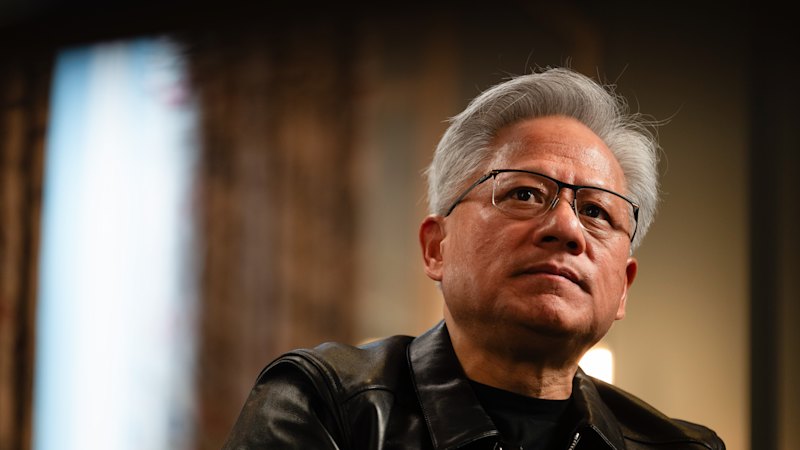
The superchip genius or the big name wildcard? Eight contenders to replace Huang as Nvidia’s CEO
Nvidia chief Jensen Huang has resigned from the chipmaker he co-founded after reports of extramarital affairs made the spotlight.
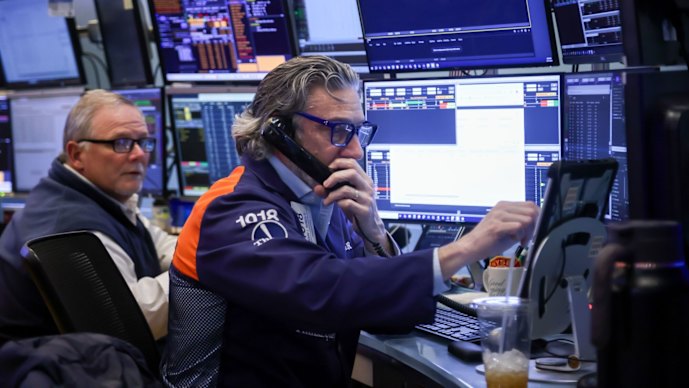
ASX set for flat start, Nvidia scandal weighs on Wall Street
US stocks closed lower as a pullback in big AI-focused companies weighed on the market, capping a turbulent week on Wall Street.
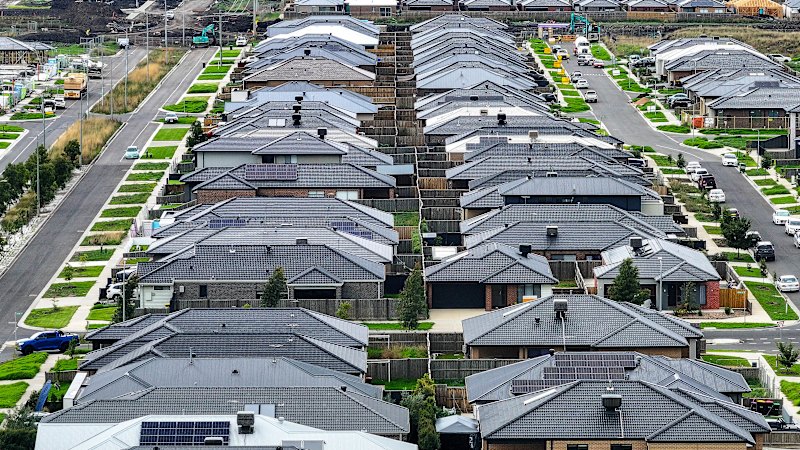
The real pain from rising interest rates is yet to come
The number of borrowers who are behind on their mortgage payments is rising, and it’s likely to climb further as rate hikes bite.
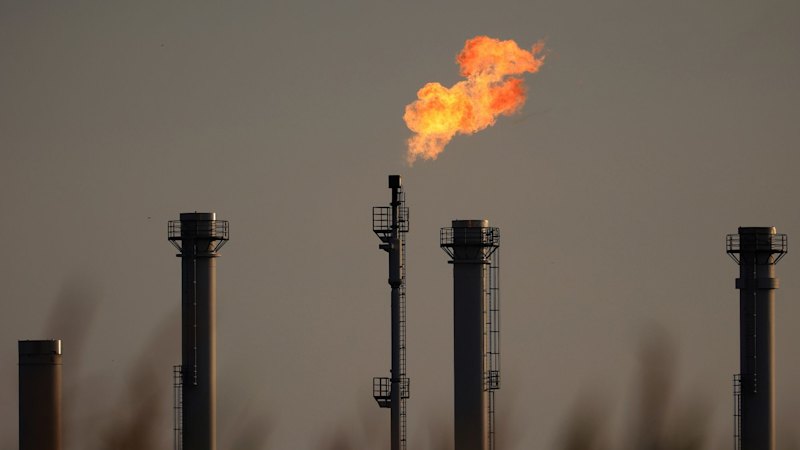
Coalition threat to sink gas reform triggers rare industry backlash
A broad alliance of business chiefs and unions has mounted a last-minute push for the Coalition to pass Labor’s domestic gas-reservation laws.

A new fast-food giant is coming to Australia. Its unusual ingredients aren’t the only talking point
A new chain will enter Australia’s crowded fast-food chicken market after wowing Anthony Albanese at one of its Manila stores. We put some of its dishes to the test.
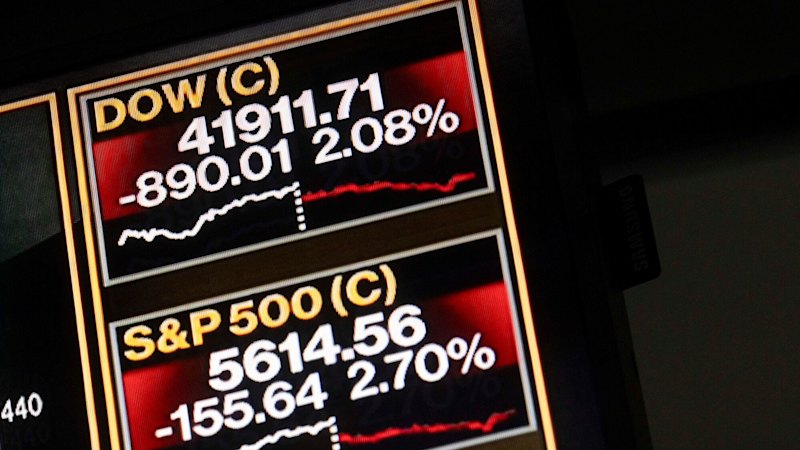
Wall Street’s wild Nvidia ride delivers big paydays and even bigger bruises
Investors are doubling down on speculative wagers that have delivered both spectacular gains and crushing losses this year.
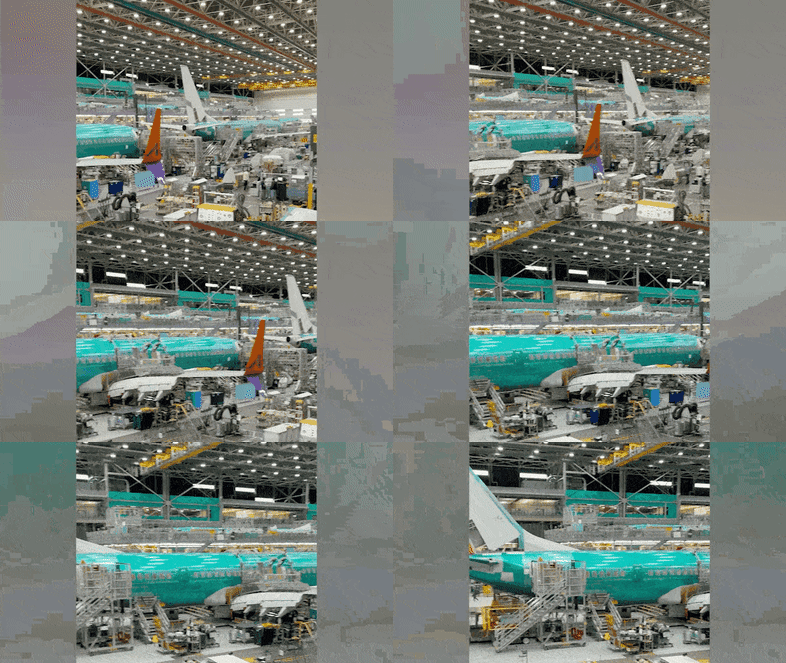
Inside Boeing’s mission to rebuild trust in the 737 after years of turbulence
In the airline industry, attention to detail is everything. Boeing’s recovery is tied to reforms on its manufacturing floor in Washington.

Commercial childcare is hitting a brick wall. Who will pick up the pieces?
Australia’s largest childcare provider has signalled its intent to surrender to a lowball private equity bid as other for-profit providers collapse in record numbers.
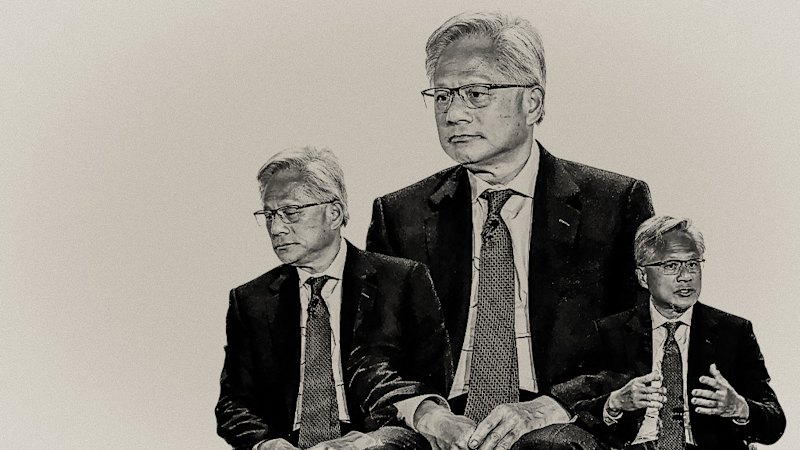
‘I don’t care’: Inside Jensen Huang’s last hours as Nvidia CEO
At the end, Jensen Huang looked broken and shattered, his legendary energy depleted.
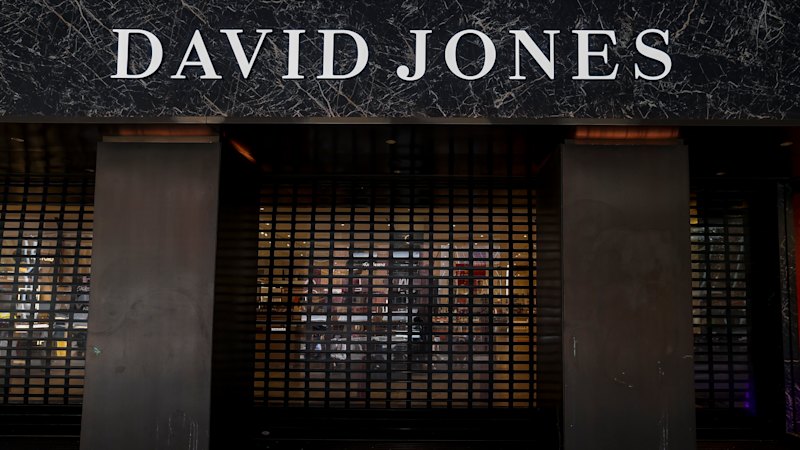
I worked part-time at David Jones. I know exactly why the business failed
Lift operators, bra fitters and lying sales assistants – I mourn you all.
How Elon Musk drove the Cybertruck and Tesla’s ambitions off a cliff
Elon Musk’s passion project crashed and burned. Its demise carries a lot of weight,
M.J. Bale axed its retail boss while she was on maternity leave. Now she’s fighting back
The Australian menswear retailer made its high-flying retail boss redundant days before her scheduled return from parental leave.