
New Zealand fines travelers who won't unlock secure devices
Oct 4, 2018
Visitors to New Zealand can be fined $3,243 for refusing to provide passwords to unlock electronic devices and allow customs officials to examine them under a new law that a civil liberties group condemned as a grave invasion of privacy
CANBERRA, Australia — Visitors to New Zealand can be fined 5,000 New Zealand dollars ($3,243) for refusing to provide passwords to unlock electronic devices and allow customs officials to examine them under a new law that a civil liberties group on Thursday condemned as a grave invasion of privacy.
The law came into effect on Oct. 1 as part of an update of 22-year-old customs legislation. It also gives customs officials authority to copy data found on searched devices.
"The traveling public is unlikely to notice much difference at the border," the New Zealand Customs Service said in a statement last week.
But the New Zealand Council for Civil Liberties said the law gives customs officials the power to force travelers to unlock their smartphones without justification, and without legal options for travelers to challenge an order to enter a password.
"Modern smartphones contain a large amount of highly sensitive private information including emails, letters, medical records, personal photos, and very personal photos," council spokesman Thomas Beagle said in a statement.
"Allowing customs to be able to demand the right to examine and capture all this information is a grave invasion of personal privacy of both the person who owns the device and the people they have communicated with," Beagle said.
Beagle questioned whether the intrusion would catch criminals, who would prefer to pay the fine than expose evidence that could lead to prison.
Criminals could also store their data in the cloud, travel with a wiped phone and restore the data once they passed customs, he said.
More News
The real pain from rising interest rates is yet to come
The number of borrowers who are behind on their mortgage payments is rising, and it’s likely to climb further as rate hikes bite.
Coalition threat to sink gas reform triggers rare industry backlash
A broad alliance of business chiefs and unions has mounted a last-minute push for the Coalition to pass Labor’s domestic gas-reservation laws.

A new fast-food giant is coming to Australia. Its unusual ingredients aren’t the only talking point
A new chain will enter Australia’s crowded fast-food chicken market after wowing Anthony Albanese at one of its Manila stores. We put some of its dishes to the test.
Wall Street’s wild Nvidia ride delivers big paydays and even bigger bruises
Investors are doubling down on speculative wagers that have delivered both spectacular gains and crushing losses this year.

Inside Boeing’s mission to rebuild trust in the 737 after years of turbulence
In the airline industry, attention to detail is everything. Boeing’s recovery is tied to reforms on its manufacturing floor in Washington.

Commercial childcare is hitting a brick wall. Who will pick up the pieces?
Australia’s largest childcare provider has signalled its intent to surrender to a lowball private equity bid as other for-profit providers collapse in record numbers.

‘I don’t care’: Inside Jensen Huang’s last hours as Nvidia CEO
At the end, Jensen Huang looked broken and shattered, his legendary energy depleted.
I worked part-time at David Jones. I know exactly why the business failed
Lift operators, bra fitters and lying sales assistants – I mourn you all.

How Elon Musk drove the Cybertruck and Tesla’s ambitions off a cliff
Elon Musk’s passion project crashed and burned. Its demise carries a lot of weight,
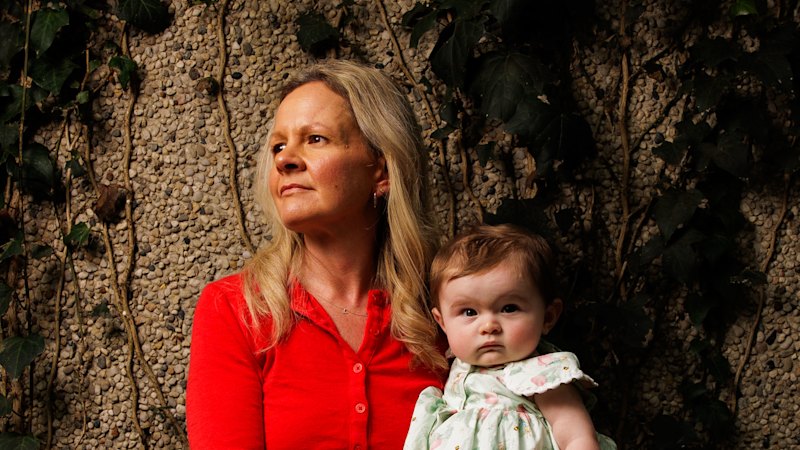
M.J. Bale axed its retail boss while she was on maternity leave. Now she’s fighting back
The Australian menswear retailer made its high-flying retail boss redundant days before her scheduled return from parental leave.
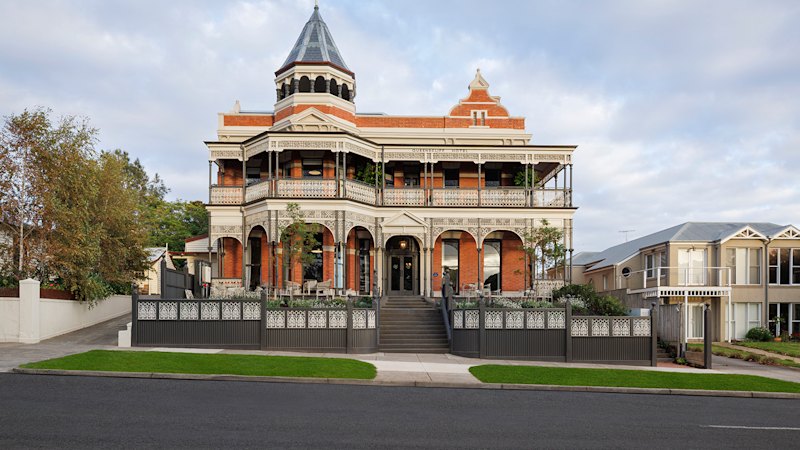
‘Either brave or mad’: A bastion of fine dining gets a sorely needed facelift
Rob and Tammy Charter had other ideas about how they wanted to spend post-work life. Like buying a heritage pub.
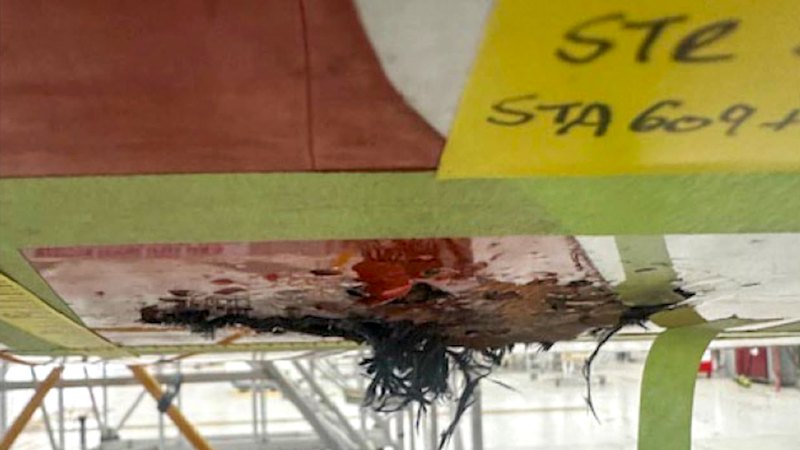
This Qantas jet was hit by lightning. It’s still grounded two weeks later
Pictures show the damage left by a lightning bolt, with charred areas of the skin and mesh exposed, on a plane that arrived in Melbourne from Los Angeles last month.