
New Zealand introduces climate bill to become carbon neutral
May 8, 2019
New Zealand's government has introduced an ambitious climate change bill which aims to make the nation carbon neutral by 2050 while giving some leeway to farmers
WELLINGTON, New Zealand — New Zealand's government on Wednesday introduced an ambitious climate change bill that aims to make the nation mostly carbon neutral by 2050 while giving some leeway to farmers.
However, some farming industry groups say the measures remain too onerous and threaten the future of regional communities, while some environmentalists say the bill doesn't go far enough because there are no penalties for noncompliance.
The bill represents a campaign promise from the liberal government that was elected 18 months ago. The government has also promised to plant 1 billion trees over 10 years and ensure that the electricity grid runs entirely from renewable energy by 2035.
The bill would require all greenhouse gases except methane from animals to be reduced to net zero by 2050. Methane emissions would be reduced by 10 percent by 2030 and by between about one-quarter and one-half by 2050.
Prime Minister Jacinda Ardern said climate change was the biggest single challenge facing the world.
"We know the climate is changing. People can see that," Ardern said. "This legislation makes a start on tackling climate change because the alternative is the catastrophic cost of doing nothing."
Agriculture is a key source of overseas revenue for New Zealand, which is home to just under 5 million people but more than 10 million cows and some 28 million sheep.
Those animals burp and fart methane, resulting in an unusual greenhouse gas emission profile for the country. Almost half of total emissions come from agriculture. The bill says the lower targets for methane reduction reflect that it stays in the atmosphere for a much shorter time than carbon dioxide.
Tim Ritchie, the chief executive of the Meat Industry Association, said meat processors and exporters are alarmed at the targets, which could only be achieved by reducing herds.
"This will impose enormous economic costs on the country and threaten many regional communities who depend on pastoral agriculture," he said in a release.
Meanwhile, Russel Norman, the executive director of Greenpeace in New Zealand, said the bill would have little clout because there was no mechanism to hold anybody to account.
To come into effect, the bill would need to be passed by a majority in the Parliament. A final vote is expected later this year.
More News
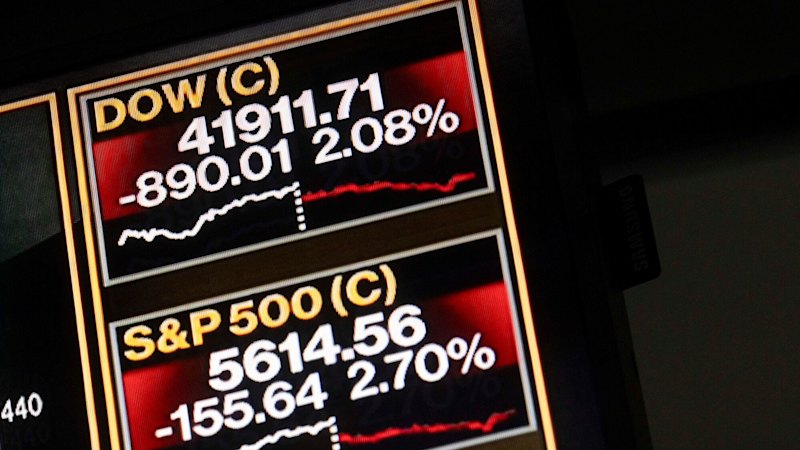
Wall Street’s wild Nvidia ride delivers big paydays and even bigger bruises
Investors are doubling down on speculative wagers that have delivered both spectacular gains and crushing losses this year.

Inside Boeing’s mission to rebuild trust in the 737 after years of turbulence
In the airline industry, attention to detail is everything. Boeing’s recovery is tied to reforms on its manufacturing floor in Washington.

Commercial childcare is hitting a brick wall. Who will pick up the pieces?
Australia’s largest childcare provider has signalled its intent to surrender to a lowball private equity bid as other for-profit providers collapse in record numbers.

‘I don’t care’: Inside Jensen Huang’s last hours as Nvidia CEO
At the end, Jensen Huang looked broken and shattered, his legendary energy depleted.

I worked part-time at David Jones. I know exactly why the business failed
Lift operators, bra fitters and lying sales assistants – I mourn you all.

How Elon Musk drove the Cybertruck and Tesla’s ambitions off a cliff
Elon Musk’s passion project crashed and burned. Its demise carries a lot of weight,
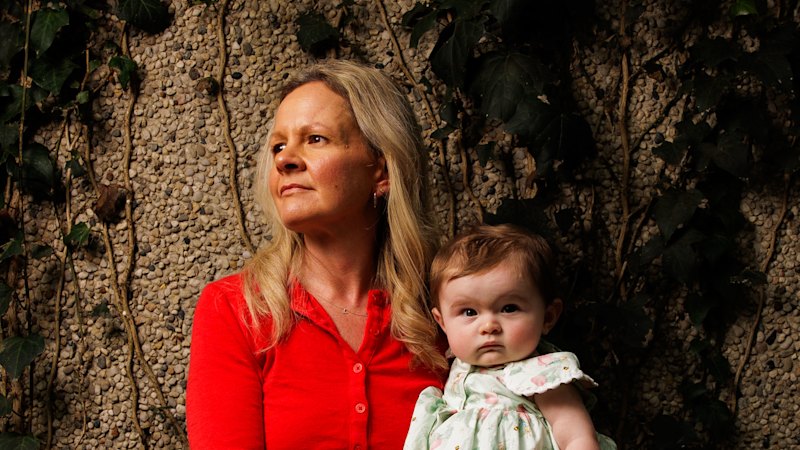
M.J. Bale axed its retail boss while she was on maternity leave. Now she’s fighting back
The Australian menswear retailer made its high-flying retail boss redundant days before her scheduled return from parental leave.
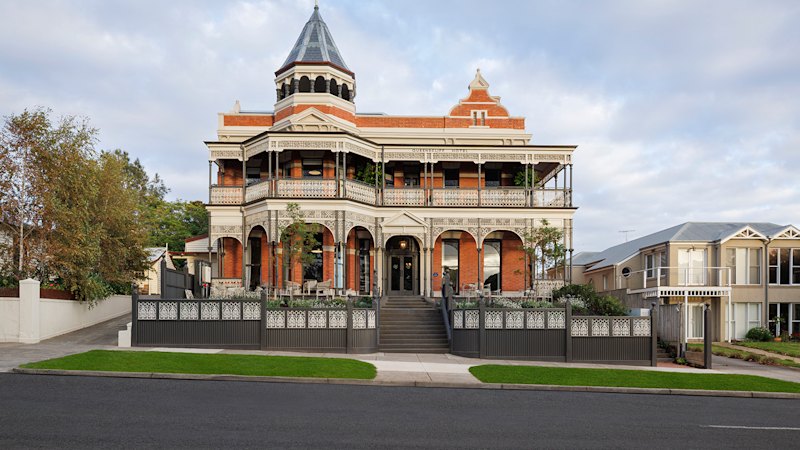
‘Either brave or mad’: A bastion of fine dining gets a sorely needed facelift
Rob and Tammy Charter had other ideas about how they wanted to spend post-work life. Like buying a heritage pub.
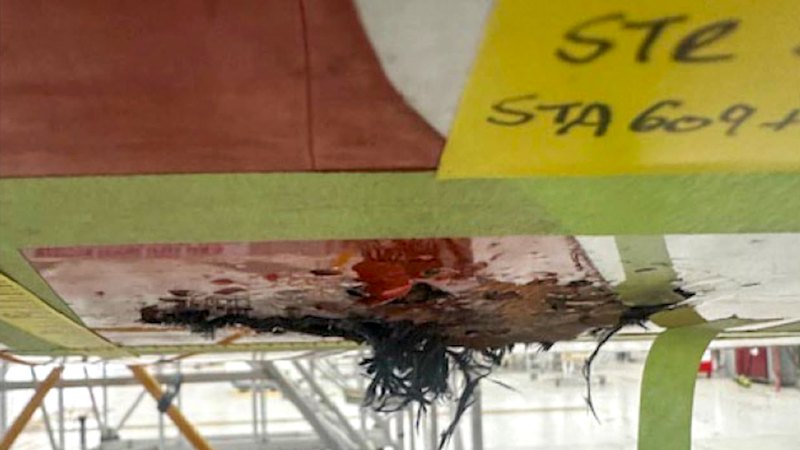
This Qantas jet was hit by lightning. It’s still grounded two weeks later
Pictures show the damage left by a lightning bolt, with charred areas of the skin and mesh exposed, on a plane that arrived in Melbourne from Los Angeles last month.

There has never been another scandal like this
Here’s a look at some of the most famous corporate scandals in history. Jensen Huang is really in a league of his own.

Hall of shame: Jensen Huang joins the list of CEOs brought down by affairs
The “close personal relationship” has been the downfall of a number of chief executives over the years.
Australian shares limp across the line to end week higher
The sharemarket has risen for six of the past seven weeks despite a weak finish in the final session.