
New Zealand launches inquiry into its coronavirus response
Dec 5, 2022
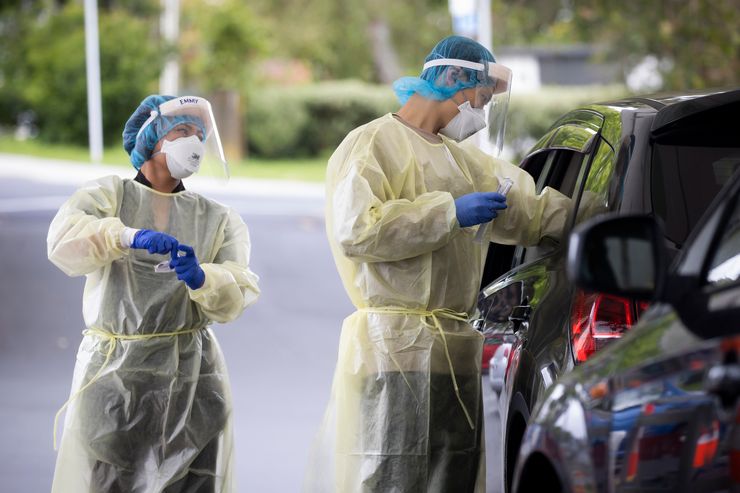
New Zealand is launching a wide-ranging inquiry into whether it made the right decisions in battling COVID-19 and how it can better prepare for future pandemics
WELLINGTON, New Zealand (AP) — New Zealand is launching a wide-ranging inquiry into whether it made the right decisions in battling COVID-19 and how it can better prepare for future pandemics.
Prime Minister Jacinda Ardern said Monday the coronavirus had posed the greatest threat to the nation's health and economy since World War II. She said now was an appropriate time to examine the government's response with the highest level of independent inquiry.
Among the questions will be whether or not New Zealand took the right approach initially by imposing strict lockdowns and border quarantine restrictions in order to try and wipe out the virus entirely.
That zero-tolerance strategy was initially hailed internationally as a success because New Zealand's death rate remained much lower than in most other countries and people were able to continue life much as normal.
But over time, the downsides of the elimination approach came into clearer focus as the economic and social costs rose. Some citizens faced big delays returning home due to a bottleneck at border quarantine facilities.
The government eventually abandoned its elimination approach in October 2021 after new and more contagious variants proved impossible to contain and people were given the chance to get vaccinated.
China is one of the only countries that continues to pursue a zero-tolerance policy. Experts say the approach is unsustainable over the long-term and that China has no exit strategy.
New Zealand's Royal Commission of Inquiry will be led by Tony Blakely, an Australian-based epidemiologist and professor. From early next year, it has 17 months to research and prepare an exhaustive report.
Ardern said it was critical to detail what worked in its response to help the country through future pandemics.
“We had no playbook by which to manage COVID but, as a country, we united in an extraordinary way, and we did save lives and livelihoods,” she said.
COVID-19 Response Minister Dr. Ayesha Verrall said one of the lessons was that having a prescriptive pandemic plan, like New Zealand's influenza-based plan before COVID-19 hit, was not much use.
“I imagine the lesson has been learned that just looking at the characteristics of one bug isn't going to cut it," Verrall said. "You have to look much more broadly.”
More News
‘I don’t care’: Inside Jensen Huang’s last hours as Nvidia CEO
At the end, Jensen Huang looked broken and shattered, his legendary energy depleted.
I worked part-time at David Jones. I know exactly why the business failed
Lift operators, bra fitters and lying sales assistants – I mourn you all.

How Elon Musk drove the Cybertruck and Tesla’s ambitions off a cliff
Elon Musk’s passion project crashed and burned. Its demise carries a lot of weight,
M.J. Bale axed its retail boss while she was on maternity leave. Now she’s fighting back
The Australian menswear retailer made its high-flying retail boss redundant days before her scheduled return from parental leave.
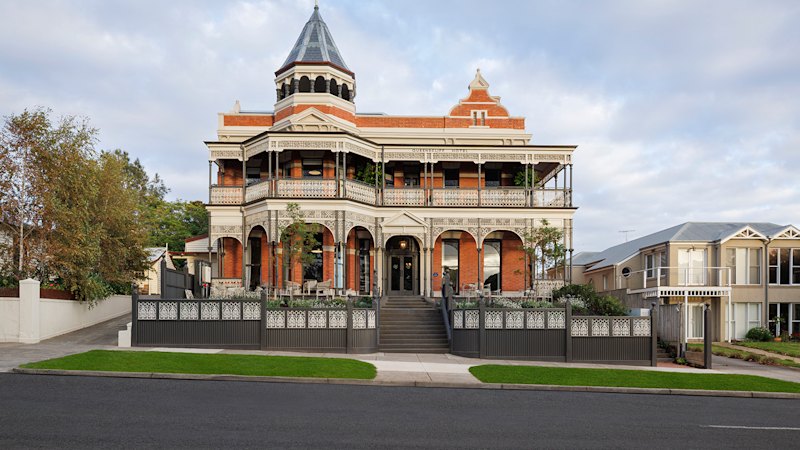
‘Either brave or mad’: A bastion of fine dining gets a sorely needed facelift
Rob and Tammy Charter had other ideas about how they wanted to spend post-work life. Like buying a heritage pub.
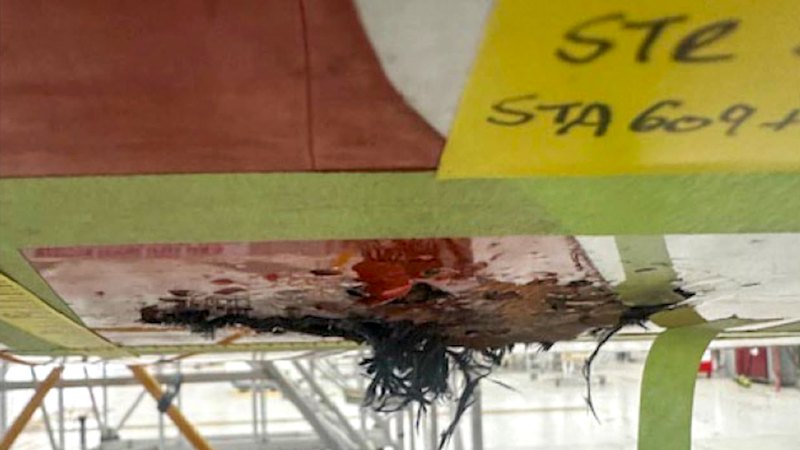
This Qantas jet was hit by lightning. It’s still grounded two weeks later
Pictures show the damage left by a lightning bolt, with charred areas of the skin and mesh exposed, on a plane that arrived in Melbourne from Los Angeles last month.
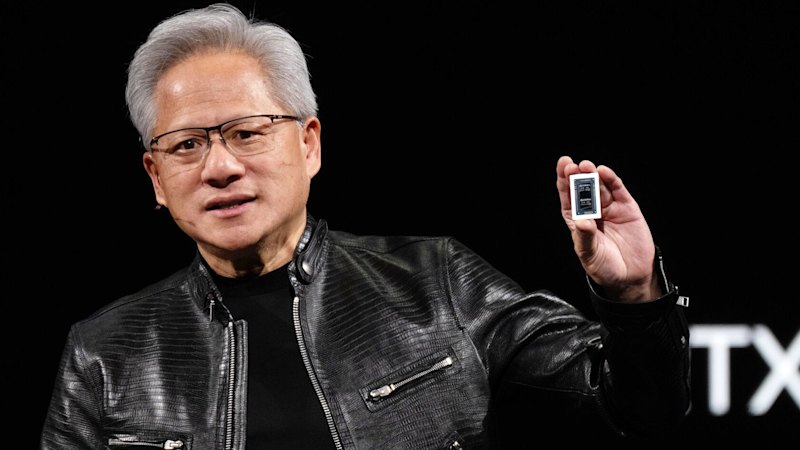
There has never been another scandal like this
Here’s a look at some of the most famous corporate scandals in history. Jensen Huang is really in a league of his own.
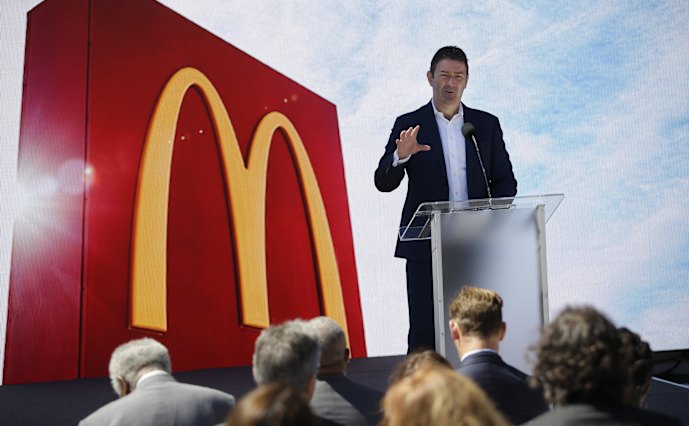
Hall of shame: Jensen Huang joins the list of CEOs brought down by affairs
The “close personal relationship” has been the downfall of a number of chief executives over the years.
Australian shares limp across the line to end week higher
The sharemarket has risen for six of the past seven weeks despite a weak finish in the final session.
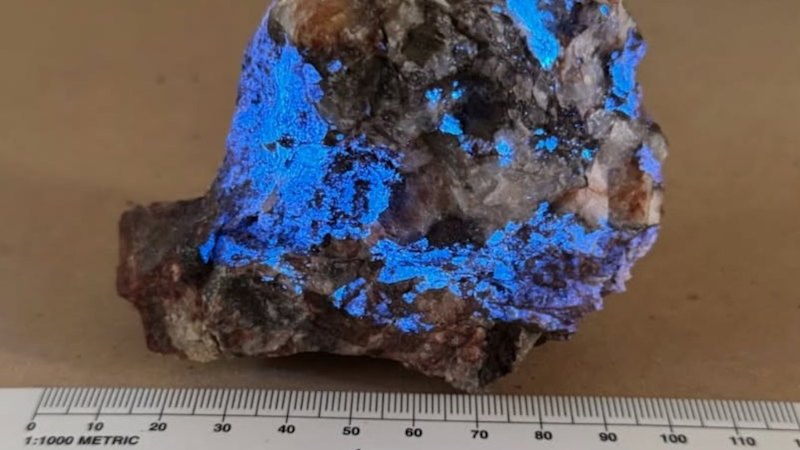
Right Resources puts tungsten twist on historic NSW goldfields
Right Resources is chasing a gold and tungsten double in NSW’s historic Tumbarumba goldfields, armed with promising assays, early metallurgy and modern exploration.
The superchip genius or the big name wildcard? Eight contenders to replace Huang as Nvidia’s CEO
Nvidia chief Jensen Huang has resigned from the chipmaker he co-founded after reports of extramarital affairs made the spotlight.
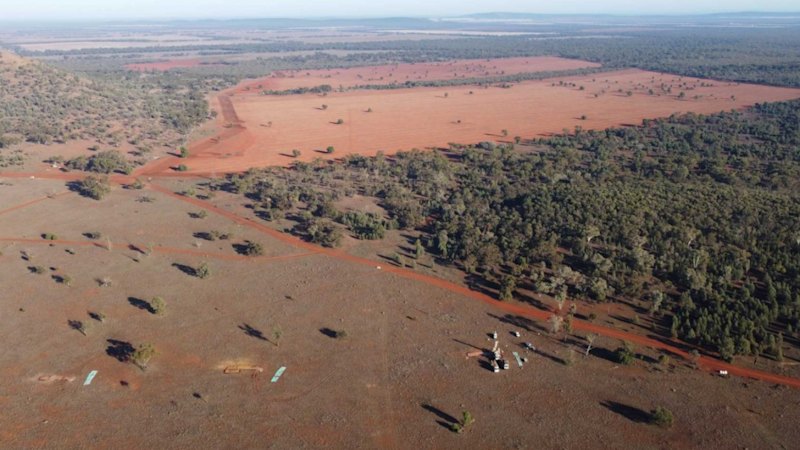
Australian Gold and Copper lands NSW multi-metal bonanza
Australian Gold and Copper has struck rich polymetallic mineralisation at Evergreen in NSW, hitting 16m at 2.3g/t gold and 1.4% copper, including a 6.2% copper kicker.