
New Zealand plans new tax for giants like Google, Facebook
Feb 19, 2019
New Zealand's government has announced plans for a new tax targeting online giants like Google and Facebook that earn plenty of money in the country but pay little tax
WELLINGTON, New Zealand — New Zealand's government plans a new tax targeting online giants like Google and Facebook that earn plenty of money in the country but pay little tax.
Prime Minister Jacinda Ardern said there's a gap that needs to be closed.
"Our current tax system is not fair in the way that it treats individual taxpayers and the way that it treats multinationals," she said. "It's not fair."
She said the proposed digital services tax would tax multinational online companies at about 2 or 3 percent on the revenue they generate in New Zealand, a rate that is in line with other countries considering similar taxes.
Revenue Minister Stuart Nash said foreign online companies have a competitive advantage over local companies that do pay significant amounts of tax. He said the new tax that was announced on Monday could be implemented next year.
Nash said New Zealand would continue working with the Organization for Economic Cooperation and Development, or OECD, to find an international solution to the problems of taxing big online companies, but that New Zealand was not going to wait around.
"The OECD can move at a rather slow rate," he said.
New Zealand's government estimates that online multinationals do about 2.7 billion New Zealand dollars ($1.9 billion) worth of business in the country each year, and that the new tax could generate up to 80 million New Zealand dollars ($55 million) annually.
The most recent New Zealand company filings indicate Google paid NZ$392,000 in income taxes in the 2017 calendar year. The company, which declined to comment, claimed a NZ$1 million loss over the year after booking much of its revenue in other countries.
The last publicly available figures from Facebook show the company paid NZ$43,000 in taxes in New Zealand in 2014.
Facebook said in a statement that it complies with applicable tax laws in New Zealand and every other country in which it operates. It said it's moving to a "local selling model" to provide more transparency to governments and policy makers.
Amy Adams, the finance spokeswoman for the conservative opposition National Party, said the party agrees that multinationals should pay their fair share of taxes but that it supports the OECD work being ramped up. She said New Zealand will find it difficult to go out on its own without people missing out on what the global market has to offer.
More News
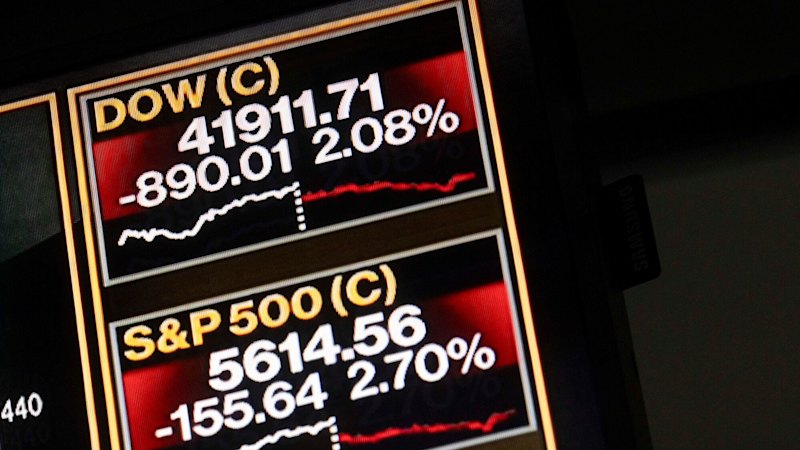
Wall Street’s wild Nvidia ride delivers big paydays and even bigger bruises
Investors are doubling down on speculative wagers that have delivered both spectacular gains and crushing losses this year.

Inside Boeing’s mission to rebuild trust in the 737 after years of turbulence
In the airline industry, attention to detail is everything. Boeing’s recovery is tied to reforms on its manufacturing floor in Washington.

Commercial childcare is hitting a brick wall. Who will pick up the pieces?
Australia’s largest childcare provider has signalled its intent to surrender to a lowball private equity bid as other for-profit providers collapse in record numbers.
‘I don’t care’: Inside Jensen Huang’s last hours as Nvidia CEO
At the end, Jensen Huang looked broken and shattered, his legendary energy depleted.
I worked part-time at David Jones. I know exactly why the business failed
Lift operators, bra fitters and lying sales assistants – I mourn you all.

How Elon Musk drove the Cybertruck and Tesla’s ambitions off a cliff
Elon Musk’s passion project crashed and burned. Its demise carries a lot of weight,
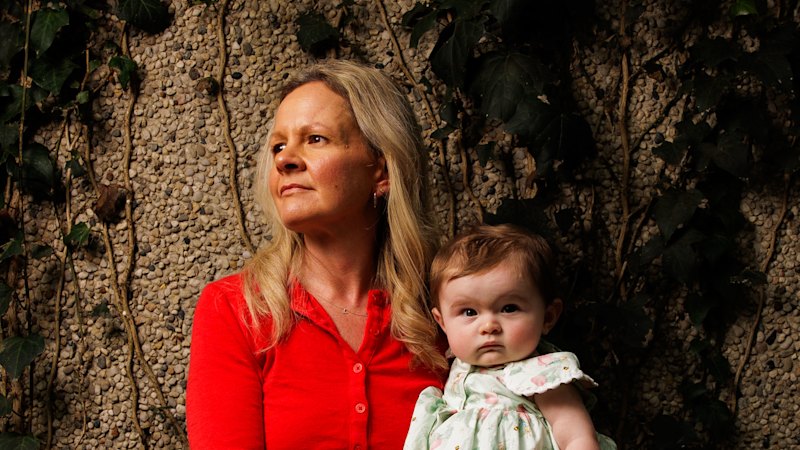
M.J. Bale axed its retail boss while she was on maternity leave. Now she’s fighting back
The Australian menswear retailer made its high-flying retail boss redundant days before her scheduled return from parental leave.

‘Either brave or mad’: A bastion of fine dining gets a sorely needed facelift
Rob and Tammy Charter had other ideas about how they wanted to spend post-work life. Like buying a heritage pub.
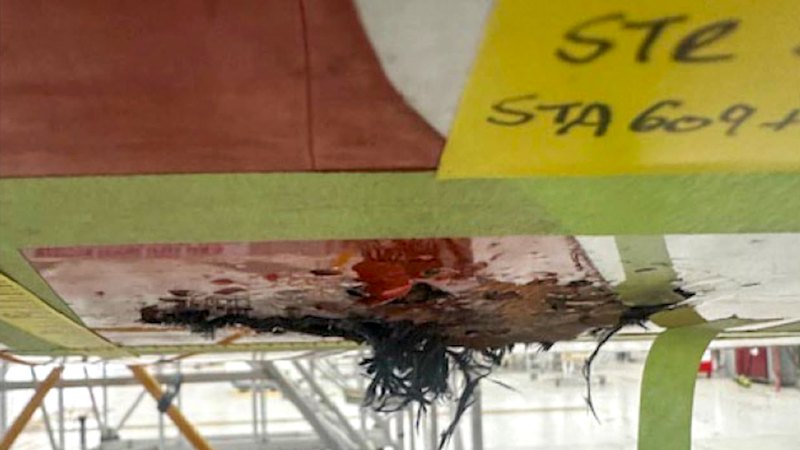
This Qantas jet was hit by lightning. It’s still grounded two weeks later
Pictures show the damage left by a lightning bolt, with charred areas of the skin and mesh exposed, on a plane that arrived in Melbourne from Los Angeles last month.
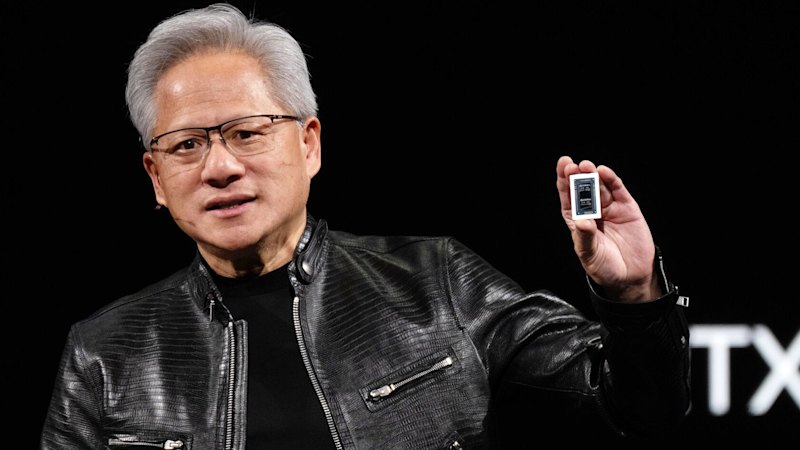
There has never been another scandal like this
Here’s a look at some of the most famous corporate scandals in history. Jensen Huang is really in a league of his own.

Hall of shame: Jensen Huang joins the list of CEOs brought down by affairs
The “close personal relationship” has been the downfall of a number of chief executives over the years.
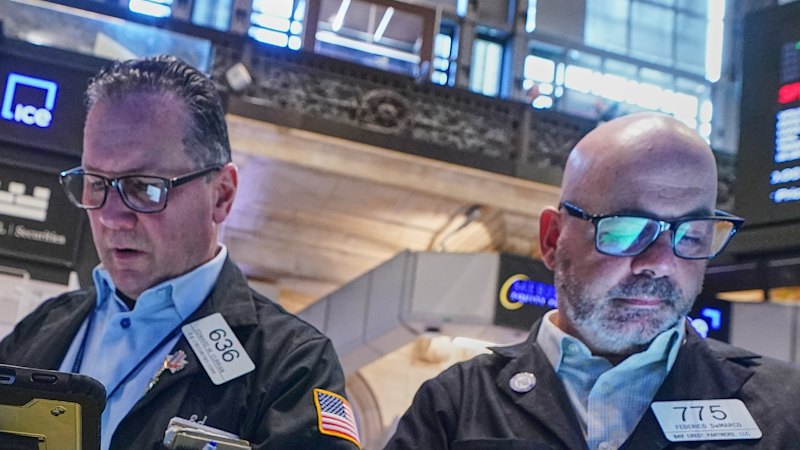
Australian shares limp across the line to end week higher
The sharemarket has risen for six of the past seven weeks despite a weak finish in the final session.