
New Zealand PM wins most votes but needs help to form gov't
Sep 23, 2017
Prime Minister Bill English's National Party has won the most votes in New Zealand's general election but not enough to form a government without help from other political parties
AUCKLAND, New Zealand — Prime Minister Bill English's National Party won the most votes in New Zealand's general election on Saturday but not enough to form a government without help from other political parties.
That means New Zealanders may need to wait for days or even weeks to confirm whether English will retain the top job as the various parties try to negotiate with each other to form a coalition.
There remained a remote chance that English's main challenger, Jacinda Ardern, could take the role.
The results were welcomed by the National Party, which is seeking a fourth consecutive term in office. And they offer some redemption for English, who led his party to its worst-ever defeat in 2002.
"The voters have spoken and now we have the responsibility of working to give New Zealand a strong and stable government," he said.
He thanked Ardern for a hard-fought campaign, which he said had motivated and engaged more New Zealanders than any campaign he could remember.
"We gave it everything, and we got better and better," he said.
Ardern said she called English to acknowledge to him that his party won more votes. She said she couldn't predict what decisions the leaders of other parties might now make.
"I've come off the field knowing we gave it our all," she said.
English became finance minister in 2008 when his party was led to victory by John Key. He spent eight years in that role before taking over the top job last December when Key resigned.
Vote tallies show the National Party won 46 percent of the vote, Ardern's Labour Party won 36 percent, the New Zealand First Party 8 percent and the Green Party 6 percent.
Under New Zealand's proportional voting system, large parties typically must form alliances with smaller ones in order to govern. The Green Party typically aligns with the liberal Labour Party.
But who New Zealand First will favor remains unclear. The party is led by maverick Winston Peters, who said Saturday that he would not be giving any answers over the next day or two until there was time for further consultation.
Ardern had enjoyed a remarkable surge in popularity since taking over as opposition leader last month. The 37-year-old was greeted like a rock star at large rallies and has generated plenty of excitement among her fans.
English, 55, ran a more low-key campaign, highlighting his experience and the economic growth the country has enjoyed over recent years. He's promising tax cuts for most workers.
Opinion polls indicate there was a swing back to English in the waning days of the campaign after Ardern had all the early momentum.
At stake for both candidates was how to capitalize on New Zealand's growing economy.
English said people should stay the course after his government set the country on a path toward increasing prosperity. Ardern said she wants to build thousands of affordable homes to combat runaway house prices, spend more money on health care and education, and clean up polluted waterways.
English said he thinks the televised debates between the two candidates helped swing the momentum his way, as people focused more on the issues and how policy changes would affect them. But his opponent accused him of scaremongering over her plans for taxes and the economy.
"Certainly it's been somewhat frustrating dealing with their negative campaign," Ardern said.
English's campaigning went better than many expected, including himself. He was seen by many as more of a numbers guy than a schmoozer. But he said he was surprised at how much he enjoyed all the handshaking.
More News
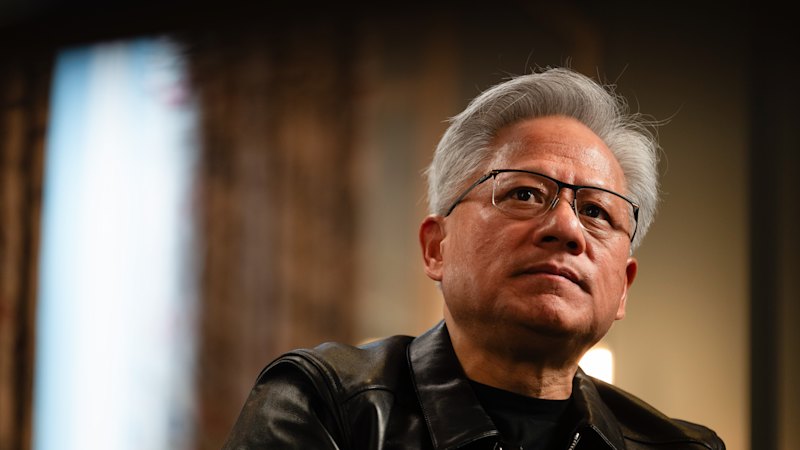
The superchip genius or the big name wildcard? Eight contenders to replace Huang as Nvidia’s CEO
Nvidia chief Jensen Huang has resigned from the chipmaker he co-founded after reports of extramarital affairs made the spotlight.
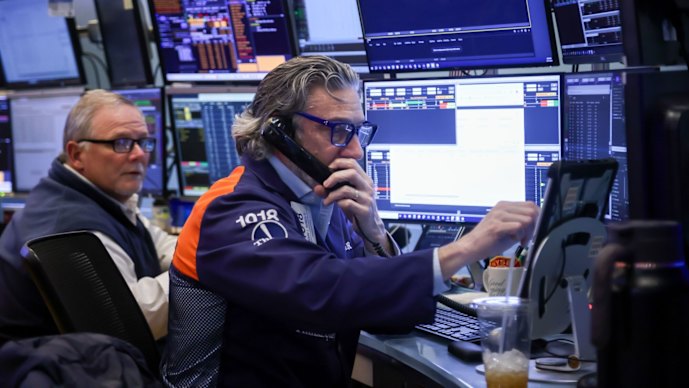
ASX set for flat start, Nvidia scandal weighs on Wall Street
US stocks closed lower as a pullback in big AI-focused companies weighed on the market, capping a turbulent week on Wall Street.
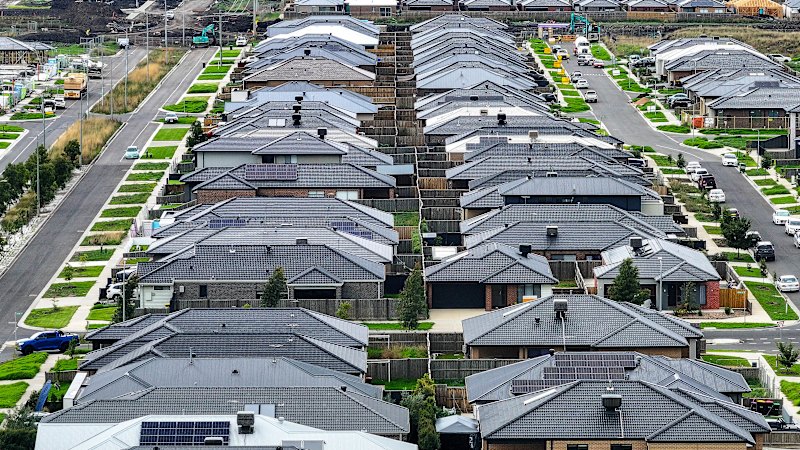
The real pain from rising interest rates is yet to come
The number of borrowers who are behind on their mortgage payments is rising, and it’s likely to climb further as rate hikes bite.

Coalition threat to sink gas reform triggers rare industry backlash
A broad alliance of business chiefs and unions has mounted a last-minute push for the Coalition to pass Labor’s domestic gas-reservation laws.
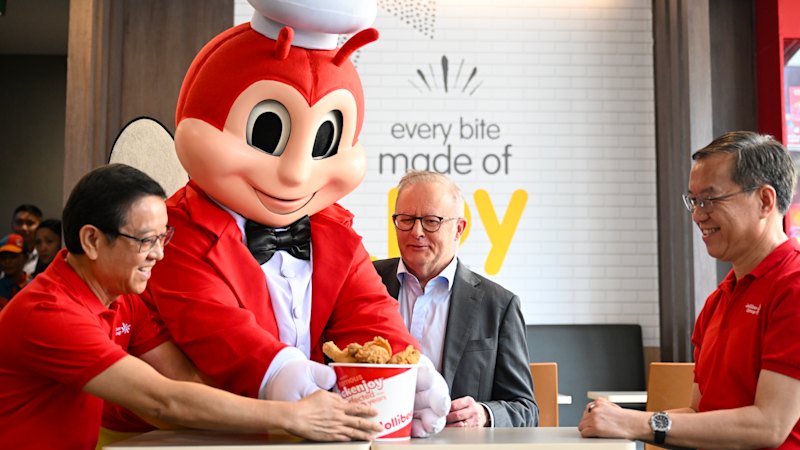
A new fast-food giant is coming to Australia. Its unusual ingredients aren’t the only talking point
A new chain will enter Australia’s crowded fast-food chicken market after wowing Anthony Albanese at one of its Manila stores. We put some of its dishes to the test.
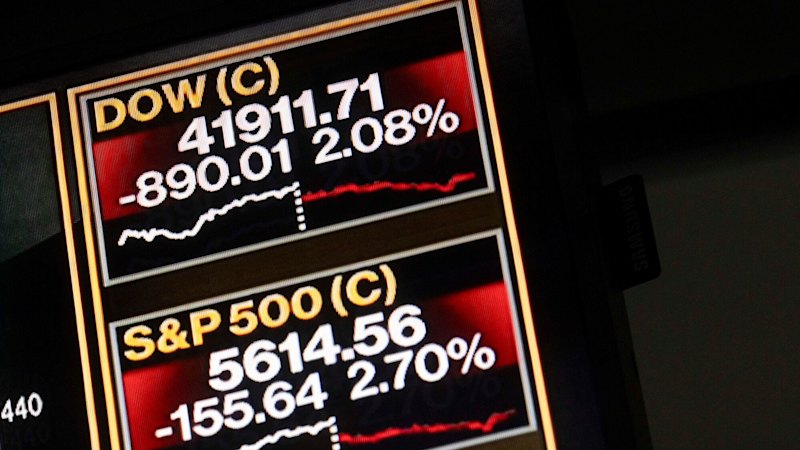
Wall Street’s wild Nvidia ride delivers big paydays and even bigger bruises
Investors are doubling down on speculative wagers that have delivered both spectacular gains and crushing losses this year.

Inside Boeing’s mission to rebuild trust in the 737 after years of turbulence
In the airline industry, attention to detail is everything. Boeing’s recovery is tied to reforms on its manufacturing floor in Washington.

Commercial childcare is hitting a brick wall. Who will pick up the pieces?
Australia’s largest childcare provider has signalled its intent to surrender to a lowball private equity bid as other for-profit providers collapse in record numbers.
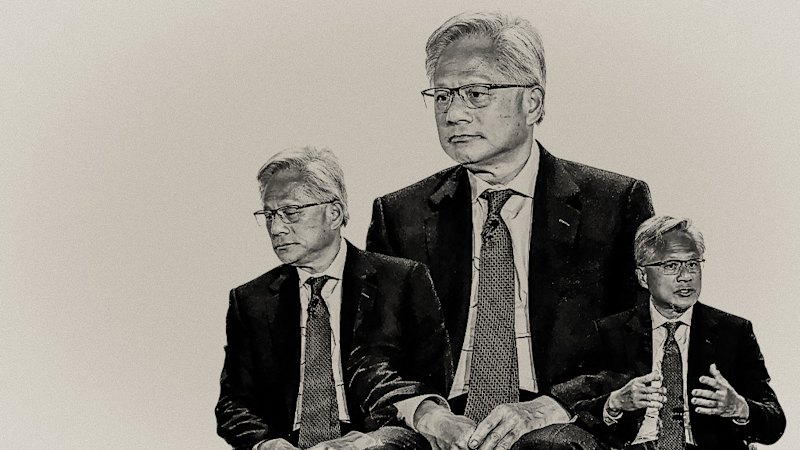
‘I don’t care’: Inside Jensen Huang’s last hours as Nvidia CEO
At the end, Jensen Huang looked broken and shattered, his legendary energy depleted.
I worked part-time at David Jones. I know exactly why the business failed
Lift operators, bra fitters and lying sales assistants – I mourn you all.
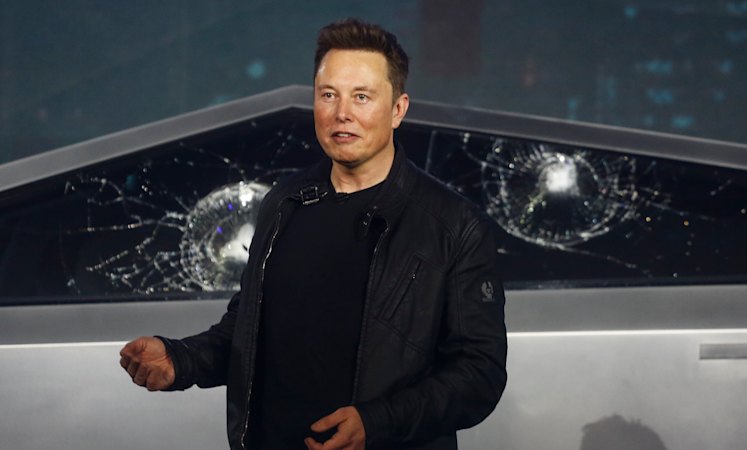
How Elon Musk drove the Cybertruck and Tesla’s ambitions off a cliff
Elon Musk’s passion project crashed and burned. Its demise carries a lot of weight,
M.J. Bale axed its retail boss while she was on maternity leave. Now she’s fighting back
The Australian menswear retailer made its high-flying retail boss redundant days before her scheduled return from parental leave.