
New Zealand says Pacific trade deal will boost GDP 1 percent
Feb 21, 2018
New Zealand estimates a Pacific trade deal would boost its economy by up to 1 percent as exporters would face reduced tariffs on goods like kiwifruit, wine and beef
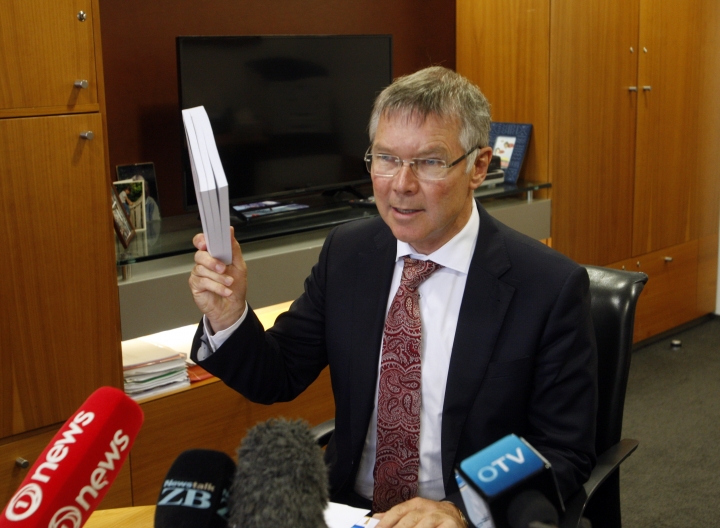
WELLINGTON, New Zealand — New Zealand estimates a Pacific trade deal would boost its economy by up to 1 percent as exporters would face reduced tariffs on goods like kiwifruit, wine and beef.
The analysis Wednesday came as details of the trade pact between 11 countries around the Pacific Rim were released. The countries, which include Japan, Canada and Australia, intend to sign the deal in March. But it won't come into force until it's ratified by individual nations.
President Donald Trump fulfilled a campaign promise by pulling the U.S. out of an earlier version of the deal, previously called the Trans-Pacific Partnership.
New Zealand estimates the deal would expand its economy by up to 4 billion New Zealand dollars ($2.9 billion) a year, according to the analysis released by the Ministry of Foreign Affairs and Trade.
The analysis concluded that not signing the deal would slightly shrink GDP as the nation lost ground to competitors who had signed up.
"On balance, we believe this agreement is clearly in the interests of New Zealand," said Trade Minister David Parker.
The liberal Labour Party, which now leads the government, had expressed doubts about the agreement when it was in opposition last year. But Parker said it had managed to address those concerns, in part with new laws that will restrict the sales of New Zealand homes to foreign buyers.
He said one contentious part of the agreement, which allows investors to sue foreign governments, had been narrowed in scope, although New Zealand remained opposed to the provision in its entirety.
The pact, now called the Comprehensive and Progressive Agreement for Trans-Pacific Partnership, faces an unusual path through New Zealand's parliament.
The Labour Party plans to team up with its traditional rival, the conservative National Party, to ensure the legislation passes. That's because Labour ally the Green Party remains opposed to the pact.
Parker said people's broader economic concerns like the concentration of wealth, multinational tax avoidance and disruptive technology often got unfairly wrapped into the free-trade debate.
"I think the groundswell of opposition to free-trade agreements in the world is actually grounded in things outside of trade," Parker said.
More News
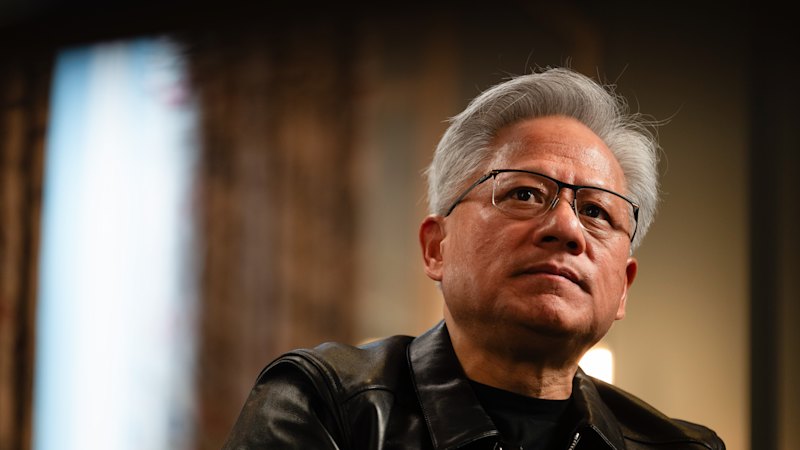
The superchip genius or the big name wildcard? Eight contenders to replace Huang as Nvidia’s CEO
Nvidia chief Jensen Huang has resigned from the chipmaker he co-founded after reports of extramarital affairs made the spotlight.
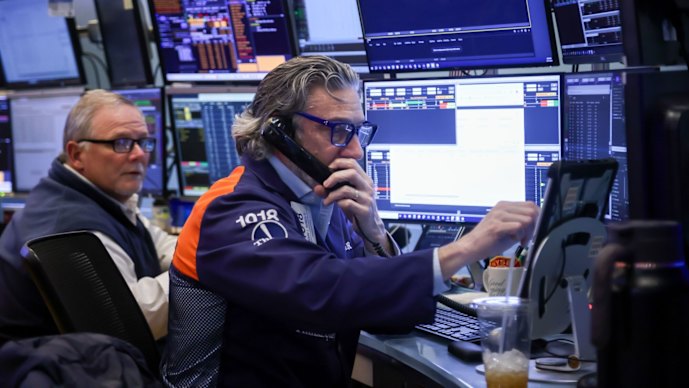
ASX set for flat start, Nvidia scandal weighs on Wall Street
US stocks closed lower as a pullback in big AI-focused companies weighed on the market, capping a turbulent week on Wall Street.
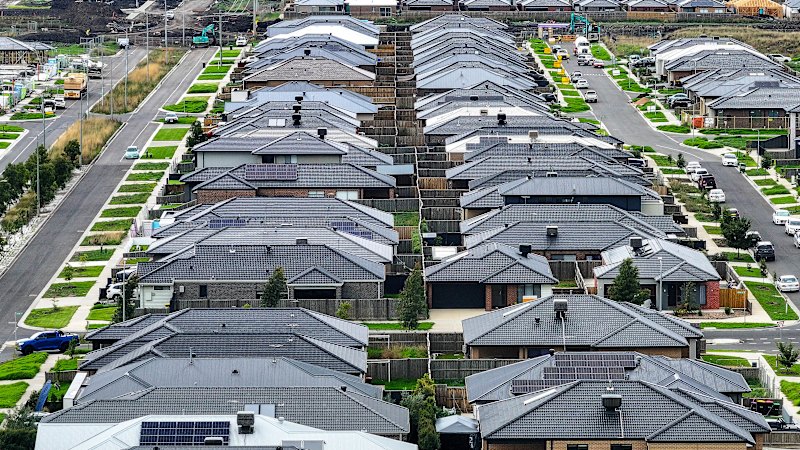
The real pain from rising interest rates is yet to come
The number of borrowers who are behind on their mortgage payments is rising, and it’s likely to climb further as rate hikes bite.
Coalition threat to sink gas reform triggers rare industry backlash
A broad alliance of business chiefs and unions has mounted a last-minute push for the Coalition to pass Labor’s domestic gas-reservation laws.

A new fast-food giant is coming to Australia. Its unusual ingredients aren’t the only talking point
A new chain will enter Australia’s crowded fast-food chicken market after wowing Anthony Albanese at one of its Manila stores. We put some of its dishes to the test.
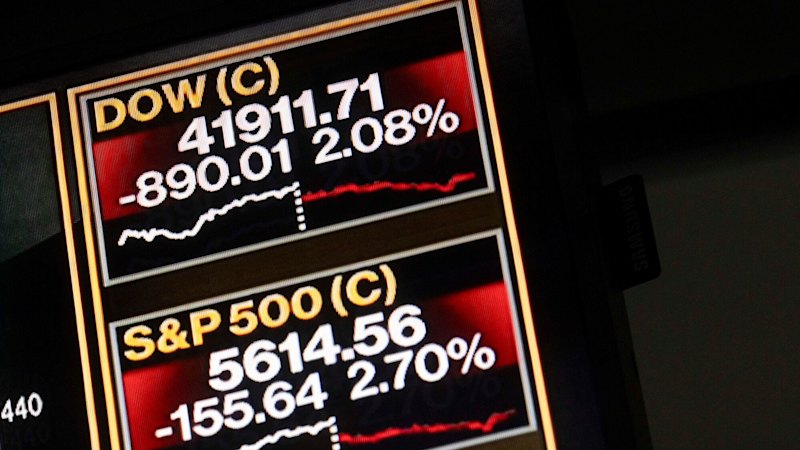
Wall Street’s wild Nvidia ride delivers big paydays and even bigger bruises
Investors are doubling down on speculative wagers that have delivered both spectacular gains and crushing losses this year.

Inside Boeing’s mission to rebuild trust in the 737 after years of turbulence
In the airline industry, attention to detail is everything. Boeing’s recovery is tied to reforms on its manufacturing floor in Washington.

Commercial childcare is hitting a brick wall. Who will pick up the pieces?
Australia’s largest childcare provider has signalled its intent to surrender to a lowball private equity bid as other for-profit providers collapse in record numbers.
‘I don’t care’: Inside Jensen Huang’s last hours as Nvidia CEO
At the end, Jensen Huang looked broken and shattered, his legendary energy depleted.
I worked part-time at David Jones. I know exactly why the business failed
Lift operators, bra fitters and lying sales assistants – I mourn you all.
How Elon Musk drove the Cybertruck and Tesla’s ambitions off a cliff
Elon Musk’s passion project crashed and burned. Its demise carries a lot of weight,
M.J. Bale axed its retail boss while she was on maternity leave. Now she’s fighting back
The Australian menswear retailer made its high-flying retail boss redundant days before her scheduled return from parental leave.