
Officials tell conference US will remain a Pacific power
Jan 30, 2017
U.S. officials have told an Australian conference that the United States will stay committed to remaining a Pacific power despite potential policy changes under President Donald Trump
CANBERRA, Australia — The United States will stay committed to remaining a Pacific power despite potential policy changes under President Donald Trump's new administration, officials told a conference Monday on U.S. alliances with Australia and Japan.
The U.S. Embassy to Australia's political counselor John Hennessey-Niland said U.S. allies in the Asia-Pacific region can be reassured that the Pacific will remain key to U.S. interests under the new administration. Joint training and information-sharing will increase, he said.
"We are in a period of time of change and transition, U.S. national interests do not change. It remains in the U.S. interest to be a Pacific power and to support and strengthen the bilateral, trilateral and multilateral relationships that knit this region together," Hennessey-Niland told the conference at the Australian National University.
While campaigning, Trump called on U.S. allies to invest more on defending themselves and described the North Atlantic Treaty Organization as obsolete, although British Prime Minister Theresa May said last week after meeting Trump that he was "100 percent" behind NATO.
Amy Searight, the U.S. deputy assistant of defense for South and Southeast Asia until 2016, said Trump "does appear ... to be backing off the campaign rhetoric" toward U.S. allies. She welcomed Japanese Prime Minister Shinzo Abe's visit to Washington, DC, in early February.
Trump's plans to expand the U.S. Navy from 270 to 350 ships could lead to more U.S. warships in the Indo-Pacific region and create more opportunities for alliance collaboration, Searight said.
The reasons behind Obama administration pivot to Asia — the need for the United States, Japan and Australia to respond to a more assertive China — remain relevant, she said.
"The logic of the rebalance to Asia remains very strong, it's based on enduring national interest in the United States and it has strong bipartisan support, so I think we can expect a commitment and focus on the Asia-Pacific region," said Searight, now a director at the Centre for Strategic and International Studies in Washington, DC .
More News
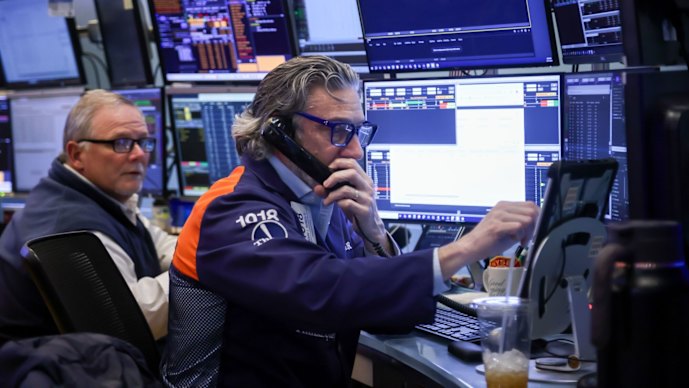
ASX dips lower as miners slide; Coles investigates cyber incident
The Australian sharemarket has opened lower after US stocks fell on Friday to cap off a turbulent week on Wall Street.
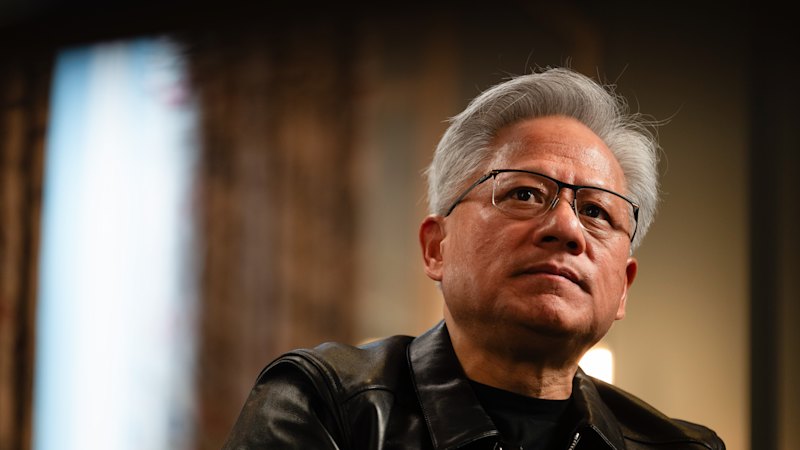
The superchip genius or the big name wildcard? Eight contenders to replace Huang as Nvidia’s CEO
Nvidia chief Jensen Huang has resigned from the chipmaker he co-founded after reports of extramarital affairs made the spotlight.

The real pain from rising interest rates is yet to come
The number of borrowers who are behind on their mortgage payments is rising, and it’s likely to climb further as rate hikes bite.

Coalition threat to sink gas reform triggers rare industry backlash
A broad alliance of business chiefs and unions has mounted a last-minute push for the Coalition to pass Labor’s domestic gas-reservation laws.

A new fast-food giant is coming to Australia. Its unusual ingredients aren’t the only talking point
A new chain will enter Australia’s crowded fast-food chicken market after wowing Anthony Albanese at one of its Manila stores. We put some of its dishes to the test.
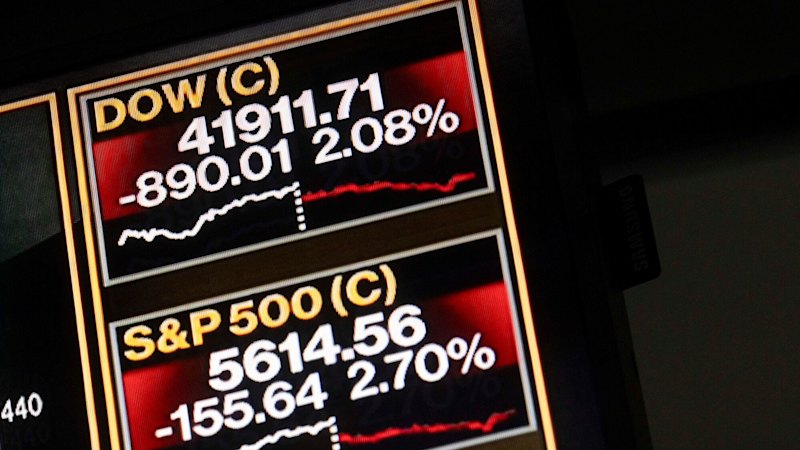
Wall Street’s wild Nvidia ride delivers big paydays and even bigger bruises
Investors are doubling down on speculative wagers that have delivered both spectacular gains and crushing losses this year.

Inside Boeing’s mission to rebuild trust in the 737 after years of turbulence
In the airline industry, attention to detail is everything. Boeing’s recovery is tied to reforms on its manufacturing floor in Washington.

Commercial childcare is hitting a brick wall. Who will pick up the pieces?
Australia’s largest childcare provider has signalled its intent to surrender to a lowball private equity bid as other for-profit providers collapse in record numbers.
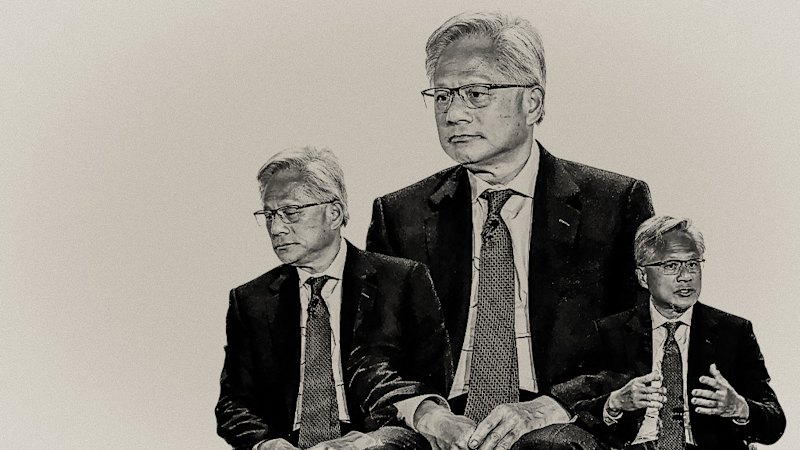
‘I don’t care’: Inside Jensen Huang’s last hours as Nvidia CEO
At the end, Jensen Huang looked broken and shattered, his legendary energy depleted.
I worked part-time at David Jones. I know exactly why the business failed
Lift operators, bra fitters and lying sales assistants – I mourn you all.
How Elon Musk drove the Cybertruck and Tesla’s ambitions off a cliff
Elon Musk’s passion project crashed and burned. Its demise carries a lot of weight,

M.J. Bale axed its retail boss while she was on maternity leave. Now she’s fighting back
The Australian menswear retailer made its high-flying retail boss redundant days before her scheduled return from parental leave.