
Police move on protesters outside New Zealand's Parliament
Mar 1, 2022
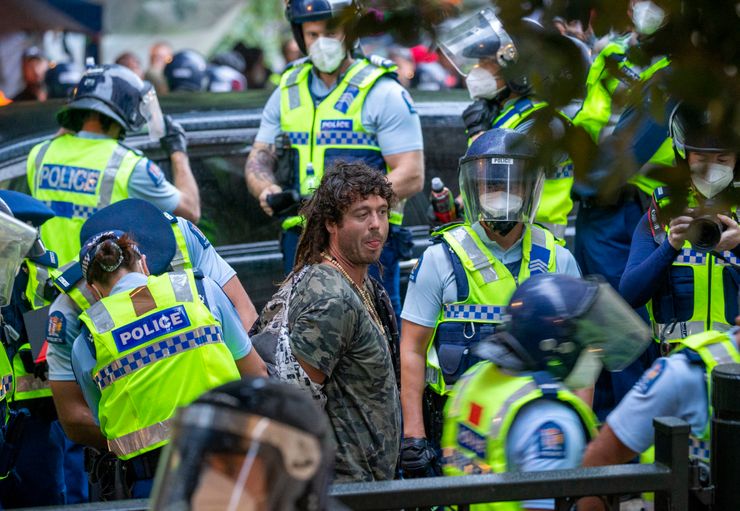
Wearing riot gear and using pepper spray, New Zealand police have moved in on the hundreds of protesters who have been camped outside the nation’s Parliament for more than three weeks
WELLINGTON, New Zealand (AP) — Wearing riot gear and using pepper spray, New Zealand police on Wednesday moved in on the hundreds of protesters who have been camped outside the nation's Parliament for more than three weeks.
It was the most significant use of force yet by authorities against the protesters, who oppose coronavirus vaccine mandates.
Police also began towing some of the 300 or so cars, vans and trucks that protesters have used to block streets in the area. The convoy protest was inspired by similar protests in Canada and has sparked other protests around New Zealand.
The police action in the capital began around dawn.
Protesters were told over loudspeakers they were trespassing and needed to leave, while officers tore down tents and a police helicopter circled overhead. Some protesters confronted police and used milk to try and clear their eyes from pepper spray.
Police Commissioner Andrew Coster told reporters they had brought in several hundred additional officers from around the country for the operation, which would continue until all the vehicles and tents were gone. He declined to put a timeline on how long that would take.
Coster said some protesters had sprayed fire extinguishers and thrown paint at officers as they advanced, and others had used makeshift shields and barricades. He said a laser pointer was aimed at the police helicopter.
The commissioner said that by mid-morning, 36 protesters had been arrested for trespassing, obstruction and other offences. He said three officers had suffered minor injuries, and 15 vehicles had been towed.
Coster said officers decided to move in because previously constructive talks with protest leaders weren't progressing and many genuine protesters had left and been replaced by people more intent on violent confrontation.
“I was very clear of our approach, which was to de-escalate. There is no interest from anyone here of turning this into a fight,” Coster said. “However, this protest has tipped over a balance and it now needs to end.”
Protesters said in a statement they were united in wanting mandates dropped and to make their own informed choices regarding their health, free from coercion and punishment. They said the vast majority of protesters had been well-behaved and had chosen to camp as a last resort after other options for dialogue were quashed.
The protests have led to a more charged political atmosphere across New Zealand. Prime Minister Jacinda Ardern’s security detail has been increased after protesters heckled her at events, including as she was leaving a school visit in Christchurch last week.
Lawmakers across all parties have refused to meet with the protesters.
Last week one protester drove a car toward a police line, narrowly avoiding officers, and police said some of the protesters had thrown human feces at them.
Before Wednesday's operation, police had arrested 132 protesters and laid various charges against some of them.
Protesters have been well organized, setting up tents on the lawns outside Parliament and trucking in portable toilets, crates of donated food, and bales of straw to lay down when the grass turned to mud.
They even dug a vegetable garden, set up a day care tent, and assembled makeshift showers as they signaled their intent to stay for a long time.
At one point, Parliament Speaker Trevor Mallard turned on the sprinklers and blasted Barry Manilow tunes in a failed effort to make them leave.
New Zealand is experiencing its biggest outbreak since the pandemic began as the omicron variant spreads. On Tuesday, health authorities reported a record of nearly 20,000 new daily cases.
Ardern has said she plans to begin easing virus mandates and restrictions after the peak of the omicron outbreak has passed.
About 77% of New Zealand’s population is vaccinated with two doses.
Since the beginning of the pandemic, New Zealand has reported fewer than 100 virus deaths among its population of 5 million, after it imposed strict border controls and lockdowns to eliminate earlier outbreaks.
More News

‘I don’t care’: Inside Jensen Huang’s last hours as Nvidia CEO
At the end, Jensen Huang looked broken and shattered, his legendary energy depleted.
I worked part-time at David Jones. I know exactly why the business failed
Lift operators, bra fitters and lying sales assistants – I mourn you all.

How Elon Musk drove the Cybertruck and Tesla’s ambitions off a cliff
Elon Musk’s passion project crashed and burned. Its demise carries a lot of weight,
M.J. Bale axed its retail boss while she was on maternity leave. Now she’s fighting back
The Australian menswear retailer made its high-flying retail boss redundant days before her scheduled return from parental leave.
‘Either brave or mad’: A bastion of fine dining gets a sorely needed facelift
Rob and Tammy Charter had other ideas about how they wanted to spend post-work life. Like buying a heritage pub.
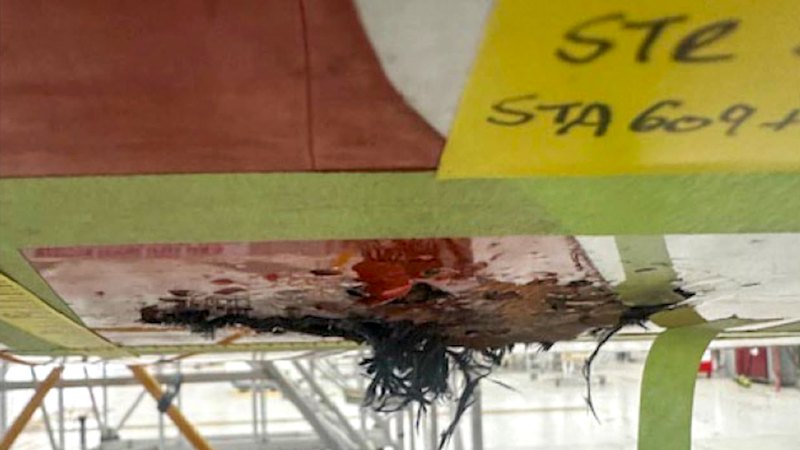
This Qantas jet was hit by lightning. It’s still grounded two weeks later
Pictures show the damage left by a lightning bolt, with charred areas of the skin and mesh exposed, on a plane that arrived in Melbourne from Los Angeles last month.

There has never been another scandal like this
Here’s a look at some of the most famous corporate scandals in history. Jensen Huang is really in a league of his own.

Hall of shame: Jensen Huang joins the list of CEOs brought down by affairs
The “close personal relationship” has been the downfall of a number of chief executives over the years.

Australian shares limp across the line to end week higher
The sharemarket has risen for six of the past seven weeks despite a weak finish in the final session.
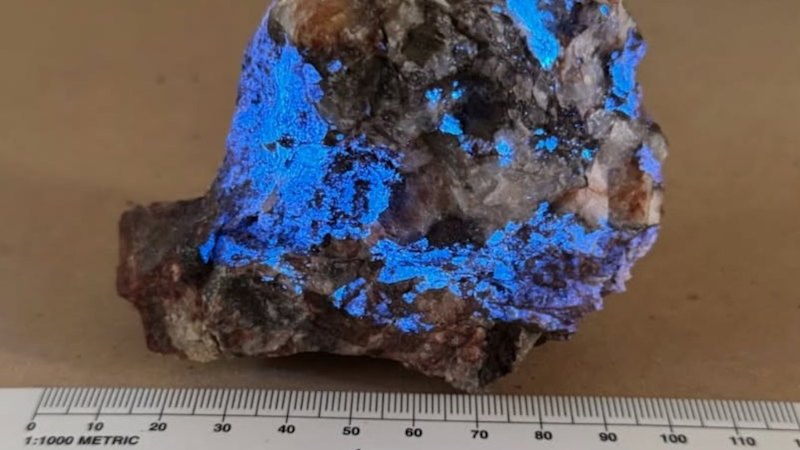
Right Resources puts tungsten twist on historic NSW goldfields
Right Resources is chasing a gold and tungsten double in NSW’s historic Tumbarumba goldfields, armed with promising assays, early metallurgy and modern exploration.
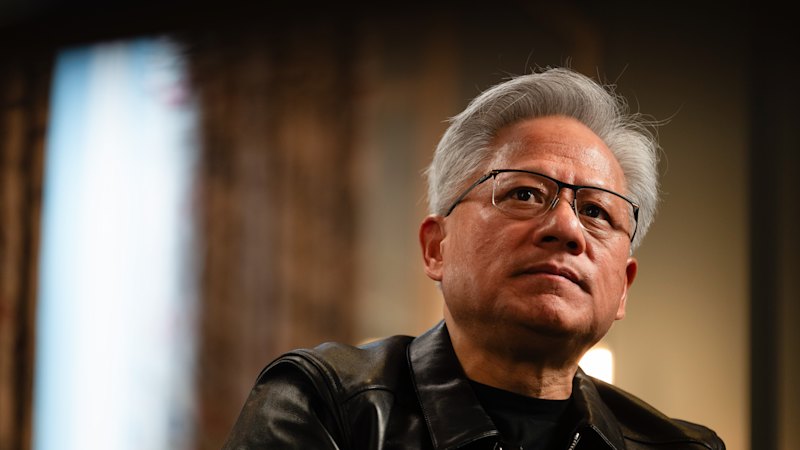
The superchip genius or the big name wildcard? Eight contenders to replace Huang as Nvidia’s CEO
Nvidia chief Jensen Huang has resigned from the chipmaker he co-founded after reports of extramarital affairs made the spotlight.
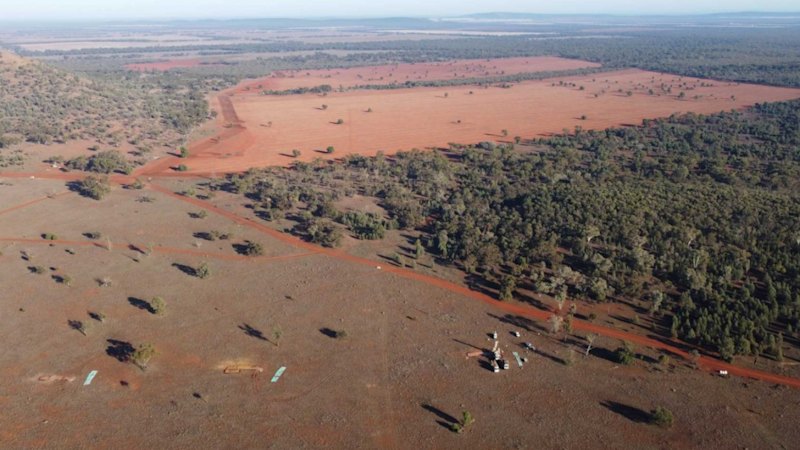
Australian Gold and Copper lands NSW multi-metal bonanza
Australian Gold and Copper has struck rich polymetallic mineralisation at Evergreen in NSW, hitting 16m at 2.3g/t gold and 1.4% copper, including a 6.2% copper kicker.