
Push to save Pacific Rim trade deal after US exits TPP pact
Jan 24, 2017
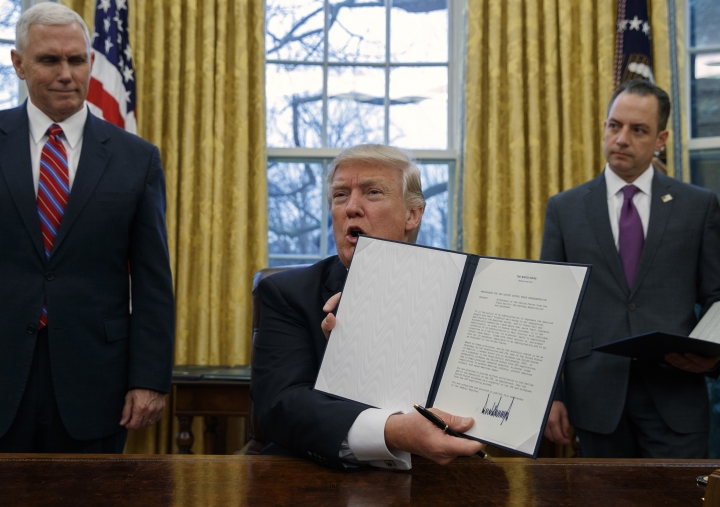
Several countries say they hope to salvage the Trans-Pacific Partnership after President Donald Trump's decision on a U.S. withdrawal from the trade pact cast its future in jeopardy
SYDNEY — Several countries expressed hope Tuesday that the Trans-Pacific Partnership could be salvaged, after President Donald Trump's decision on a U.S. withdrawal from the trade pact left its future in serious jeopardy.
Australian Prime Minister Malcolm Turnbull acknowledged Trump's move was a massive blow to the 12-nation agreement, but suggested other countries, such as China, may help fill the void left by the U.S.
"Losing the United States from the TPP is a big loss, there is no question about that," Turnbull told reporters. "But we are not about to walk away from our commitment to Australian jobs."
As expected, Trump used one of his first actions in office to officially abandon the trade deal on Monday, dubbing it a detriment to American businesses. He favors one-on-one agreements with other nations over multinational pacts.
Leaders of some of the 11 other nations involved in the initiative earlier said they would move forward with the agreement in some form, with or without the U.S.
Turnbull said he had discussed the pact's future recently with the prime ministers of Japan, Singapore and New Zealand, all TPP members, and believed the pact could survive without the U.S.
Other TPP members are Canada, Mexico, Chile, Peru, Vietnam, Malaysia and Brunei.
"All of us are working to see how we can ensure we maintain this momentum toward open markets and free trade," Turnbull said. "Believe me, protectionism is not a ladder to get you out of the low growth trap. It is a shovel to dig it deeper."
The U.S. about-face on the deal is a setback for leaders of other TPP countries who invested political capital in fighting to get it ratified.
That includes Prime Minister Shinzo Abe, who told lawmakers during parliamentary debate that he hoped to gain Trump's "understanding" on the TPP's importance. Abe has said he hopes to meet with Trump as soon as possible.
Japan completed the TPP ratification process last week, well aware Trump planned to drop out. Abe said its goals were still important for Japan and the TPP could be a model for trade deals with other nations, including those in Europe.
Malaysia's Second Trade Minister Ong Ka Chuan said that the remaining 11 TPP members will meet to discuss the next steps.
"Twelve countries signed the (TPP), but now one wants out. The other 11 can continue by making change to the clauses. There are many possibilities that these 11 countries can still proceed with," the Bernama news agency quoted him as saying. He didn't elaborate.
Turnbull said that in theory China could join the pact following the U.S. departure. But that would require a revamp of the deal. In its current form, the TPP can only take effect after it is ratified by six countries that account for 85 percent of its members' combined gross domestic product. The U.S. made up 60 percent of the TPP's combined GDP, so it could not be implemented as it stands now.
Though he didn't suggest Trump himself would reverse his position, Turnbull did say the U.S. eventually might.
"You have to recognize that his secretary of state, Rex Tillerson, has been a longtime advocate for it," Turnbull said, referring to Trump's nominee. "The Republican Party in the Congress have been strong supporters of the TPP. It is possible that U.S. policy could change over time on this, as it has done on other trade deals."
New Zealand Prime Minister Bill English showed little enthusiasm for a "one-on-one" bilateral trade deal with the U.S.
"If you ask me today, I'd say there's a pretty low chance of that happening in a form that we'd find satisfactory," Prime Minister Bill English told reporters in Wellington. "But we wouldn't want to rule it out, any more than we'd want to rule out other versions of progress on free trade, with TPP or not."
English said he agrees with his predecessor John Key's view that the U.S. risks ceding some influence to China in the Pacific without the TPP.
"That's why I've indicated we'd be interested in preserving the option or of finding other ways of encouraging the engagement of the U.S. in the Asia-Pacific," English said.
Although losing the U.S. as part of the pact means losing nearly two-thirds of its market, English said the initiative was still advantageous for New Zealand and therefore worth pursuing.
Whatever the deal's fate, the region shows no sign of retreating from the market-opening trend that helped transform its many developing nations into a relatively stable zone of affluent, middle-income economies.
The greater concern is the uncertainty generated by Trump's threats to impose tariffs of up to 45 percent on some imports. The U.S. is the largest single market for China and Japan, and indirectly a huge source of demand for many of the commodities and goods produced across the region.
Closing U.S. doors to trade may well backfire, said Ong.
"The U.S. was the one encouraging free trade," Ong said. "Suddenly, it is now trying to stop it. There's a possibility this would trigger retaliation by a number of other countries."
___
Associated Press writers Nick Perry in Wellington, New Zealand; Elaine Kurtenbach and Yuri Kageyama in Tokyo; and Eileen Ng in Kuala Lumpur, Malaysia, contributed to this report.
More News
ASX dips lower as miners slide; Coles investigates cyber incident
The Australian sharemarket has opened lower after US stocks fell on Friday to cap off a turbulent week on Wall Street.
The superchip genius or the big name wildcard? Eight contenders to replace Huang as Nvidia’s CEO
Nvidia chief Jensen Huang has resigned from the chipmaker he co-founded after reports of extramarital affairs made the spotlight.
The real pain from rising interest rates is yet to come
The number of borrowers who are behind on their mortgage payments is rising, and it’s likely to climb further as rate hikes bite.
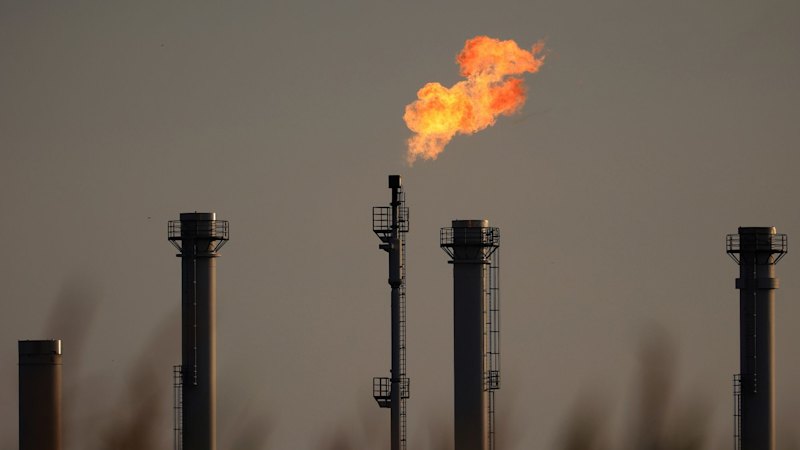
Coalition threat to sink gas reform triggers rare industry backlash
A broad alliance of business chiefs and unions has mounted a last-minute push for the Coalition to pass Labor’s domestic gas-reservation laws.

A new fast-food giant is coming to Australia. Its unusual ingredients aren’t the only talking point
A new chain will enter Australia’s crowded fast-food chicken market after wowing Anthony Albanese at one of its Manila stores. We put some of its dishes to the test.
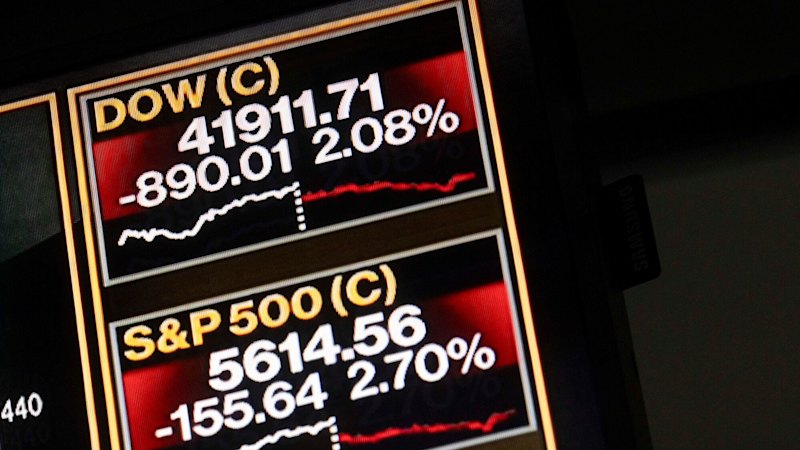
Wall Street’s wild Nvidia ride delivers big paydays and even bigger bruises
Investors are doubling down on speculative wagers that have delivered both spectacular gains and crushing losses this year.
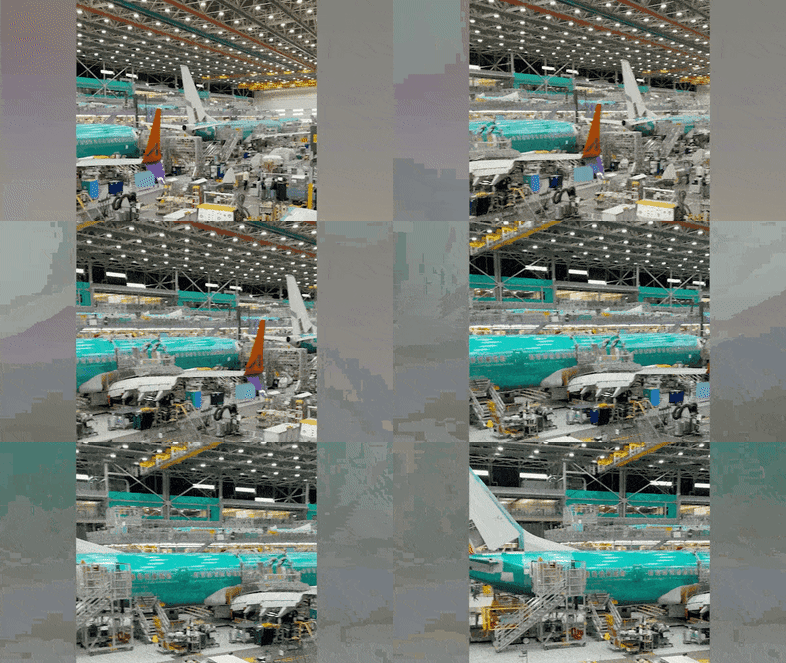
Inside Boeing’s mission to rebuild trust in the 737 after years of turbulence
In the airline industry, attention to detail is everything. Boeing’s recovery is tied to reforms on its manufacturing floor in Washington.

Commercial childcare is hitting a brick wall. Who will pick up the pieces?
Australia’s largest childcare provider has signalled its intent to surrender to a lowball private equity bid as other for-profit providers collapse in record numbers.
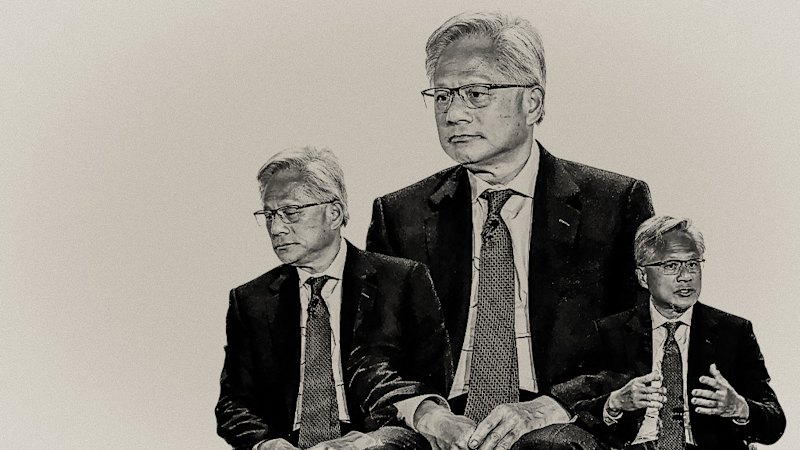
‘I don’t care’: Inside Jensen Huang’s last hours as Nvidia CEO
At the end, Jensen Huang looked broken and shattered, his legendary energy depleted.
I worked part-time at David Jones. I know exactly why the business failed
Lift operators, bra fitters and lying sales assistants – I mourn you all.
How Elon Musk drove the Cybertruck and Tesla’s ambitions off a cliff
Elon Musk’s passion project crashed and burned. Its demise carries a lot of weight,

M.J. Bale axed its retail boss while she was on maternity leave. Now she’s fighting back
The Australian menswear retailer made its high-flying retail boss redundant days before her scheduled return from parental leave.