
Darryl Kauffman Says the Spreadsheet Still Tells the Truth
Nov 4, 2026
Las Vegas, Nevada Nov 4, 2026 (Issuewire.com) - A Habit Formed in Public Accounting
Darryl Kauffman started in public accounting in 1985. That job, more than any job after it, set the habit he still uses. Before a client's numbers get discussed in a meeting, he wants to have built them himself, line by line, in a spreadsheet.
"A summary tells you what someone wants you to see," Kauffman says. "A spreadsheet you built yourself tells you what's actually there."
He carried that habit through every role that followed: CFO at Strings Restaurants, senior financial analyst at Dole, regional controller at McDonald's, controller at Sr Care Advocates, and later his own practice, DK CPA. Different industries, different pressures, but the same first move. Open the file. Build the model. Then talk.
Why He Still Builds It Himself
Kauffman could hand a request to staff and wait for a finished report. He says that's often the easier path and often the wrong one.
"If I only see the final number, I miss the decision that got made two tabs earlier," he says. "Somebody rounded something, somebody picked a formula, somebody assumed a growth rate. Those choices matter more than the total."
That's the reasoning behind why he still opens Excel for himself. He calls it, plainly, one of the few tools he's never wanted to replace. Dashboards and automated reports have their place, he says, but they summarize a decision instead of showing it. Working the formulas himself is how he finds the assumption hiding inside the arithmetic.
Reading as the Other Half of the Method
The spreadsheet habit is only one piece. Kauffman says he also reads regularly, mostly books about business, and treats that as part of the same discipline rather than something separate from it.
"Numbers tell you what happened," he says. "Reading is where I find out why it might have happened, or what somebody else did when they hit the same wall."
He doesn't frame this as a program or a reading list he hands out. It's a personal routine, paired with regular exercise, that he says keeps his thinking sharp enough to catch the small errors that a tired brain would wave through. A missed decimal, a formula copied one row too far. He says those are the mistakes that matter most, because they're the easiest ones to miss.
What This Looks Like in Practice
Kauffman says the habit shows up most clearly when a client brings him a problem that looks bigger than it is.
"Somebody will come in convinced the business is failing," he says. "I open the actual numbers and sometimes find one input that's wrong. Fix the input, the story changes completely."
He says the opposite happens too. A business that looks fine on the summary report sometimes has a real problem sitting two tabs down, something nobody built a chart for because nobody asked the spreadsheet directly. Either way, the method is the same: don't trust the headline number until you've seen the formula underneath it.
A Habit That Predates the Title
Kauffman is candid that this habit isn't new or branded. It's simply how he was trained to work in 1985, and it hasn't changed much since, even as the tools around it have. He still calls Excel one of the things he genuinely enjoys using, not just tolerates.
"People assume the tool is beneath someone with my background," he says. "I think that's backward. The tool is where the truth sits. Everything after that is commentary."
He says the habit also keeps him honest about his own blind spots. Building the model forces him to notice what he doesn't know yet, rather than accepting a conclusion because it's been formatted to look finished.
About Darryl Kauffman
Darryl Kauffman is a Business Consultant based in Las Vegas, Nevada. His background in public accounting, corporate finance, and his own practice, DK CPA, now informs his work as a business coach and consultant. He recently earned his MBA from Pepperdine University, and is currently continuing his studies as a student and a faculty assistant at UNLV.
Source :Darryl Kauffman
This article was originally published by IssueWire. Read the original article here.
More News
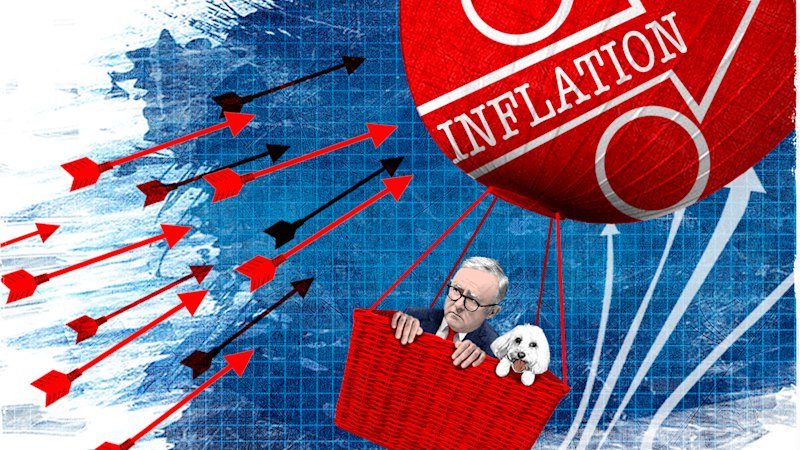
If the RBA gets its job wrong, the PM will pay with his
Anthony Albanese. He’s a man who’s taken little interest in the economy now being caught by the iron rule of politics: if the economy turns bad on your watch, you take the blame.

Summer Super Check
A six-part series featuring practical tips and advice to help you kick off the year with financial clarity.

Take this 15-minute financial pitstop before your summer road trip
You don’t need a marathon spreadsheet session - taking a few minutes before your summer break gives you a fresh financial start for the year ahead.
From fleecing fans to 25-hour washer-dryer cycle: Shonky’s top awards named
Virgin Australia, Ticketek, Ticketmaster and Sony are among this year’s winners of the infamous award from consumer advocate CHOICE.

ASX finishes higher on RBA day; retailers and airlines soar, oil stocks slide
The Australian sharemarket finished its session higher after the Reserve Bank - as expected - raised interest rates to an 18-year record but signalled a wait-and-see approach to further tightening.
Man’s TikTok complaint about builder ends up costing $1m
The staggering sum came after a series of court rulings went from bad to worse for Gurvinderpal Singh, who had wanted a home built.

ClearVue plants Hong Kong flag in Asian solar expansion
ClearVue has set up a Hong Kong base and showroom to pursue 15 regional project opportunities, leveraging its recent solar window installation at a Macau hotel.
Mortgage calculator: Here’s how much extra your repayments will be
The RBA has increased interest rates to 4.85 per cent. Use our calculator to see how much extra your mortgage repayments will be.
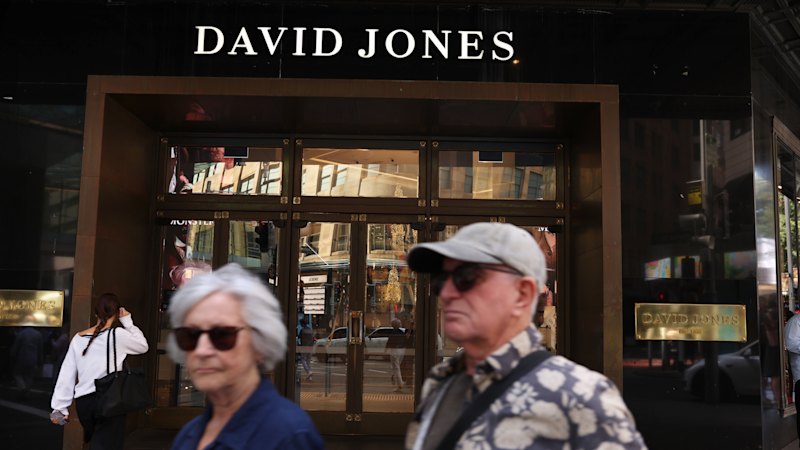
‘Alarming’: David Jones workers brace for job losses as store closures loom
The union representing thousands of David Jones workers is planning for the worst as the troubled department store chain prepares to close up to half its stores.
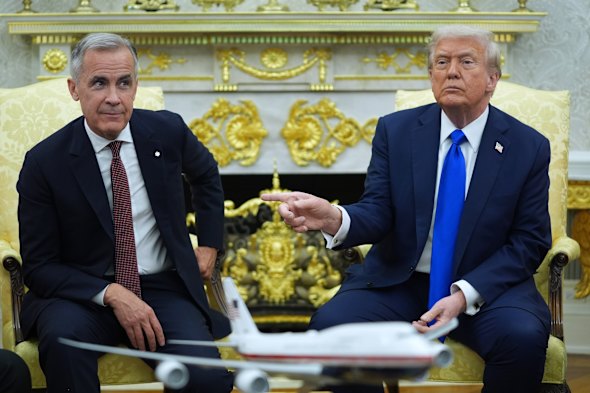
Trump has lost control of his war with Canada
The US president tried and failed to bully Canada in tense negotiations this year. Now he may pay a heavy price.
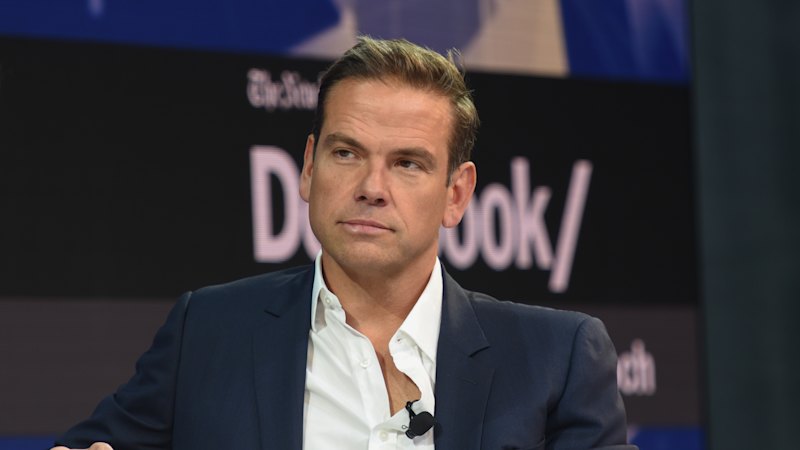
‘They’re just fatigued’: Why Lachlan Murdoch says Fox ratings are diving
Some media observers attribute the decline to US President Donald Trump’s slipping approval ratings, but Fox chief Lachlan Murdoch says there is a simpler explanation.

The reason why another rate rise will hurt Sydneysiders most
NSW is “particularly sensitive” to interest rate increases, according to NSW Treasury modelling.
YOUR NEWS, OUR NETWORK.
Do you have Great News you want to tell the world?
Be it updates about your business or your community, you can make sure that it’s heard by submitting your story to our network reaching hundreds of news sites across 6 verticals.