
How to Choose the Best Mini Golf Cart for Your Business?
Oct 27, 2026

Saint Petersburg, Florida Oct 26, 2026 (Issuewire.com) - So, picking the best Mini Golf Cart? It starts with your business model--not the color you like best. A resort shuttle isn't the same as a compact course, event venue, or rental fleet. The National Golf Foundation counted 28.1 million on-course golfers in the U.S. in 2023. That's a good sign for demand, sure. But it doesn't automatically mean your carts will make money. Your site layout, customer flow, terrain, and how much maintenance you can handle matter way more than a headline about market growth.
A 2 Seat Mini Golf Cart can be a good fit for narrow paths, short transfers, and smaller groups. But if you're moving a lot of people at peak times, a four-seat model might cut down on trips. Look at payload capacity, turning radius, braking, ground clearance, battery chemistry, and charging time. The U.S. Department of Energy's Alternative Fuels Data Center points out that you need to match EV range to real operating conditions. Heat, slopes, passenger weight, and constant stop-start driving can shrink practical range. Lab specs can look great. Real life? Usually messier.
Reports from Grand View Research and Fortune Business Insights show continued growth in electric Golf Cart demand, especially in tourism, hospitality, and recreation. Still, market reports often lump together private, commercial, and utility vehicles. Use those numbers for planning--not as a replacement for testing. Compare Club Car, E-Z-GO, and Yamaha Golf-Car Company by looking at documented warranty terms, parts availability, service response, and total cost per operating hour. Ask suppliers for battery-cycle data and demo units. Listen to noise near guests, check turning space around obstacles, and make sure charging access works after a busy day. The best choice is rarely the cheapest cart. It's the one that's still safe, available, and financially sensible after months of everyday use. That takes careful assumptions--and a willingness to change them when reality says so.
Define Your Business Needs and Mini Golf Cart Use Cases
Before choosing a Mini Golf Cart, define how your business will use it each day. A course operator may need quiet transport between fairways, while a resort may carry guests, luggage, or maintenance tools. Walk through a typical workday and record distance, passenger numbers, surface conditions, and loading points. Small details matter. A narrow path can make a wide cart frustrating to operate. Wet grass, slopes, and loose gravel also affect traction and braking performance.
Check the cart's practical capacity rather than relying only on advertised figures. Measure storage space for clubs, cleaning supplies, spare batteries, or small equipment. If staff drive for several hours, seat support and easy controls can reduce fatigue. Ask about charging time, battery access, routine inspections, and service availability from qualified technicians. These factors often influence operating costs more than the purchase price. I would also test the cart during busy periods, not only in an empty parking area. That exposes turning problems and visibility limits. My first estimate may be wrong. Recheck it with actual staff feedback. Choose features that match documented use cases, while keeping operation aligned with local safety requirements.
Compare Cart Types, Seating Capacity, and Functional Features
Choosing the right Golf Cart starts with passenger flow, not appearance. The National Golf Foundation reported 28.1 million on-course golfers in the United States during 2023. That figure suggests steady demand, but every business serves a different pattern. A two-seat cart suits short transfers and compact resort paths. A four-seat model handles couples, staff, or small families. Six-seat carts increase capacity, yet they need wider routes and more turning space. I have seen operators underestimate that requirement.
Cart type also affects daily work. Passenger carts prioritize comfort and smooth boarding. Utility carts need a rear platform, stronger suspension, and useful ground clearance for supplies. A mixed fleet may perform better than one universal design. According to Grand View Research's 2024 Golf Cart market report, electric models remain a major growth segment because operators seek lower operating noise and reduced routine maintenance. However, battery charging time can disrupt busy schedules.That detail is easy to overlook.
Functional features should match the site's physical conditions. Measure narrow gates, slopes, parking bays, and the distance between charging points. A small turning radius matters on crowded paths. Weather curtains, headlights, mirrors, seat belts, and accessible step height improve practical safety. Check payload ratings carefully, especially when passengers carry bags or equipment. The first capacity estimate is often wrong. Keep a simple usage log for two weeks before purchasing. Record peak passenger numbers, trip length, charging frequency, and repair delays. A polished specification sheet cannot replace those observations.
Evaluate Battery Systems, Driving Range, and Charging Requirements
Choosing a mini golf cart starts with its battery system, not its paint or seat layout. Lead-acid batteries usually cost less upfront, but they need regular watering, ventilation, and careful charging. Lithium systems are lighter and typically provide more usable energy, although their purchase price is higher. The U.S. Department of Energy's Alternative Fuels Data Center reports that charging losses can reduce delivered energy, so rated battery capacity should not equal expected driving range. Ask suppliers for usable watt-hours, not only amp-hours.
Measure the route in real conditions. Include passenger weight, hills, repeated stops, and accessories such as lights or refrigeration. A cart rated for 40 miles may travel much less on steep paths. NREL charging research commonly models a 10-20% energy loss during charging, which makes a daily operating reserve practical. Keep at least 20% capacity unused when possible. Small details matter. A misaligned Golf Cart Wheel Spindle or underinflated tire can increase rolling resistance and reduce range. I would test the cart for a full shift before purchasing; brochure figures are often optimistic.
Charging requirements should match your business schedule. The DOE Alternative Fuels Data Center lists Level 2 charging as commonly delivering about 10-30 miles of range per hour for electric vehicles, but mini carts may use different onboard chargers. Confirm outlet voltage, circuit capacity, charger compatibility, and charging time. Battery Council International emphasizes proper lead-acid maintenance and recycling practices, which should be included in staff procedures. One overlooked issue is heat. Charging batteries in a hot, enclosed storage room may shorten service life. That deserves a site check.
Assess Safety Standards, Build Quality, and Passenger Comfort
When choosing a mini golf cart for business use, inspect its safety features before comparing colors or accessories. Ask for documented testing against relevant local vehicle and workplace standards. Check the brakes on a slope, not only on a showroom floor. Seat belts should lock smoothly, while handrails must feel firm under repeated pressure. A clear horn, working headlights, and a properly installed Golf Cart Tail Light Kit improve visibility during evening operations.
Build quality becomes obvious through small details. Examine welded joints, battery housing, tire condition, and the underside of the frame. Loose panels may become irritating after weeks of daily passenger loading. Choose weather-resistant materials if the cart will operate near sprinklers or coastal air. A trained technician should explain charging procedures and service intervals. I would also request maintenance records, although sellers may provide incomplete information. That gap deserves attention.
Tips: Place two adults in every passenger row during a practical test. Notice knee space, seat firmness, step height, and suspension movement. Ask passengers to enter from both sides. Doors or side restraints should close without force. A quiet motor matters near hotels, parks, and event venues. Still, comfort can be subjective. Tall passengers may prefer extra legroom, while children need secure seating and easy-to-reach grips. Test the cart with realistic weight, because an empty vehicle can hide weak acceleration and uncomfortable braking.
Calculate Purchase Costs, Operating Expenses, and Long-Term Value
Choosing a mini golf cart starts with a cost sheet, not a showroom impression. Record the purchase price, delivery, assembly, safety equipment, and site preparation. A cart listed at $8,000 may require another $1,200 before its first customer trip. Ask for battery specifications, warranty terms, service intervals, and parts availability. These details reveal ownership costs better than polished sales claims.
Estimate monthly operating expenses from actual route conditions. Electricity, charging losses, tires, brake checks, cleaning, insurance, storage, and staff time all matter. If the cart travels 25 miles daily, multiply its energy use by local electricity rates. Keep a repair reserve, perhaps $75 to $150 monthly, although rough estimates can fail during peak season. Labor may exceed electricity costs when employees load equipment or assist guests. Track invoices for three months, then replace assumptions with evidence.
Compare long-term value over five years, not just the invoice. Use this formula: total cost equals purchase and setup, plus operating costs and repairs, minus resale value. A cheaper cart may lose value quickly if batteries fade or downtime interrupts bookings. Calculate revenue impact by recording passenger trips, average price, and missed operating hours. Test turning space, hill performance, and charging access on your actual course. I would leave room for uncertainty. Weather, uneven paths, and changing visitor numbers can distort forecasts. A spreadsheet should show low, expected, and high-cost cases.
Review Customization Options, Warranty Coverage, and Dealer Support
How to Choose the Best Mini Golf Cart for Your Business?
A suitable mini golf cart should match your course layout, visitor volume, and daily terrain. Measure narrow paths before choosing a wider body. Check seating, storage, lighting, weather protection, and battery capacity. Customization should improve operations, not merely appearance. Useful options include removable cargo boxes, speed controls, durable seat covers, and easy-clean flooring. Ask whether replacement parts remain available after purchase.
Warranty coverage deserves careful reading. Confirm the coverage period for the battery, motor, charger, frame, and electrical controls. Some warranties exclude frequent-use conditions or improper charging. Request these exclusions in writing. A clear warranty shows how the seller handles real operating risks. It also helps managers budget repairs. An overlooked detail can become an expensive lesson.
Tips: Ask a dealer for a written service schedule and typical response time. Check whether trained technicians serve your area. Request two customer references from similar courses. Inspect a demonstration cart after several hours of use, not only when it looks new. I once considered appearance too heavily; practical access to batteries mattered more. Also, test turning space with passengers and equipment onboard. Support should include troubleshooting, parts access, and honest advice when customization is unnecessary. Reliability often depends on small details.
How to Choose the Best Mini Golf Cart for Your Business? - Review Customization Options, Warranty Coverage, and Dealer Support
1. Vehicle Capacity
-
Recommended Business Option: Two-seat cart for compact courses and routine passenger transport.
-
Typical Specification or Range: Two occupants; a rear-facing seat may be available as an optional conversion.
-
Why It Matters: A smaller cart generally improves maneuverability and requires less storage space.
-
What to Confirm Before Purchase: Check the rated payload, seat-belt configuration, footwell dimensions, and local passenger-safety requirements.
2. Fleet Transportation
-
Recommended Business Option: Four- to six-seat cart for resorts, events, and larger properties.
-
Typical Specification or Range: Four to six occupants; longer wheelbase and increased turning radius.
-
Why It Matters: Higher capacity reduces the number of trips needed during busy periods.
-
What to Confirm Before Purchase: Verify total loaded weight, ramp or trailer compatibility, braking performance, and storage requirements.
3. Powertrain
-
Recommended Business Option: Electric drive for indoor, resort, and noise-sensitive environments.
-
Typical Specification or Range: Common systems use rechargeable battery packs; operating range depends on load, terrain, temperature, and battery condition.
-
Why It Matters: Electric carts usually produce less local noise and exhaust than combustion-powered alternatives.
-
What to Confirm Before Purchase: Request tested range data, charging time, battery chemistry, charger specifications, and replacement cost.
4. Terrain Capability
-
Recommended Business Option: Standard suspension for paved paths and upgraded suspension for uneven grounds.
-
Typical Specification or Range: Ground clearance, tire type, and suspension travel vary by configuration.
-
Why It Matters: Appropriate clearance and tires can improve ride comfort and reduce underbody contact.
-
What to Confirm Before Purchase: Confirm maximum slope, water-crossing limits, tire load rating, and whether off-road use affects the warranty.
5. Customization
-
Recommended Business Option: Modular accessories suited to the property's daily tasks.
-
Typical Specification or Range: Common options include weather enclosures, windshields, roofs, mirrors, storage racks, cargo beds, lighting, and seat belts.
-
Why It Matters: Useful accessories can improve passenger comfort, staff productivity, and weather readiness.
-
What to Confirm Before Purchase: Ask whether each accessory is factory-installed, load-rated, compatible with the base model, and covered by warranty.
6. Safety Equipment
-
Recommended Business Option: Configuration with standard occupant-protection equipment.
-
Typical Specification or Range: Seat belts, mirrors, headlights, brake lights, reflectors, parking brake, and warning devices may be included depending on configuration.
-
Why It Matters: Safety equipment supports controlled operation and may be required for public or road-adjacent use.
-
What to Confirm Before Purchase: Compare the delivered equipment with local traffic, workplace, accessibility, and venue rules.
7. Warranty Coverage
-
Recommended Business Option: Written warranty with separate terms for the vehicle, battery, charger, and wear parts.
-
Typical Specification or Range: Coverage periods and exclusions vary; batteries and consumables commonly have separate conditions.
-
Why It Matters: A clear warranty helps estimate downtime risk and long-term operating costs.
-
What to Confirm Before Purchase: Check duration, mileage or usage limits, labor coverage, transport costs, exclusions, claim procedure, and transferability.
8. Dealer Support
-
Recommended Business Option: Local or regional dealer with trained service personnel.
-
Typical Specification or Range: Support may include delivery inspection, scheduled maintenance, diagnostics, parts ordering, and technician training.
-
Why It Matters: Accessible service can reduce downtime when a fleet vehicle needs repair.
-
What to Confirm Before Purchase: Request service-response targets, parts availability, emergency support hours, loaner policy, and references from commercial customers.
9. Maintenance
-
Recommended Business Option: Cart with an accessible service layout and documented maintenance schedule.
-
Typical Specification or Range: Routine checks may include tires, brakes, steering, fasteners, battery connections, charging equipment, and suspension.
-
Why It Matters: Regular inspections help identify safety and reliability issues before failure.
-
What to Confirm Before Purchase: Obtain the service manual, inspection intervals, labor estimates, required tools, and list of maintenance parts.
10. Total Operating Cost
-
Recommended Business Option: Configuration matched to actual utilization rather than the lowest purchase price.
-
Typical Specification or Range: Consider purchase price, installation, charging or fuel, tires, batteries, insurance, maintenance, and downtime.
-
Why It Matters: The lowest upfront price may not provide the lowest cost over the fleet's service life.
-
What to Confirm Before Purchase: Ask for an itemized quotation and calculate expected cost per operating hour over the planned ownership period.
11. Business Fit
-
Recommended Business Option: Fleet configuration based on passenger volume, route length, terrain, climate, and storage capacity.
-
Typical Specification or Range: A practical fleet may combine passenger carts with a cargo or utility cart.
-
Why It Matters: Using different cart types for different tasks can avoid overloading passenger vehicles.
-
What to Confirm Before Purchase: Test the cart on the actual route with representative passengers, cargo, slopes, and weather conditions.
Purchasing note: Specifications, legal requirements, warranty terms, battery performance, and service availability vary by configuration and location. Obtain current written documentation and verify the cart under real operating conditions before placing a fleet order.Brake Light Micro Switch 1011439: Compatibility, Features, Installation, and Buying Guide
The Brake Light Micro Switch 1011439 is a three-terminal, plunger-style switch designed for selected gas and electric golf carts. Its compact structure fits common brake-pedal assemblies used on DS-style and EZGO-style carts, making it a practical replacement for worn, damaged, or unresponsive brake switches. Before ordering, compare the original switch's terminal arrangement, mounting points, plunger position, and connector style with the replacement to confirm compatibility.
When the brake pedal is pressed, the plunger moves to open or close the electrical circuit, allowing the brake lights and related safety functions to operate correctly. The three terminals typically support the power, output, and ground or switching connections, but wiring layouts may vary by cart configuration. Check the vehicle's wiring diagram and disconnect the battery before installation. Remove the old switch, transfer the wires one at a time, secure the new switch in the original position, and adjust the plunger so it activates smoothly without excessive pedal travel.
For a reliable purchase, confirm the part number 1011439, terminal count, switch dimensions, contact type, and operating voltage. Choose a unit with firm terminal connections, a responsive plunger, and durable housing suitable for vibration and regular outdoor use. After installation, reconnect the battery and test the brake lights repeatedly while checking that the pedal returns freely and the switch does not remain engaged.
Conclusion
Choosing the best Mini Golf Cart for your business starts with understanding how and where it will be used. Consider whether you need it for course transportation, resort operations, event services, maintenance, or passenger movement. Compare available cart types, seating capacities, storage space, and practical features such as weather protection, lighting, and easy-access controls. Battery performance is also essential, so evaluate driving range, charging time, battery lifespan, and the availability of suitable charging facilities.
Safety, durability, and passenger comfort should guide your final selection. Look for a strong frame, reliable braking, stable handling, comfortable seating, and safety features appropriate for your operating environment. Beyond the purchase price, calculate charging costs, maintenance, replacement parts, and expected service life to understand the cart's long-term value. Finally, review customization options, warranty coverage, spare-parts availability, and dealer support. A well-supported Mini Golf Cart can reduce downtime, improve user satisfaction, and provide a more dependable return on investment for your business.
Source :XXCART INC
This article was originally published by IssueWire. Read the original article here.
More News

Squeeze into those skinny jeans: Millennial culture is back
A tech-powered 2000s revival represents the biggest nostalgia boom yet.

Slow Horses and Tenzing producer promises more underdog stories after French sale
Australian-British production company See-Saw Films has big plans after French entertainment giant Mediawan bought 51 per cent last year.

‘Final piece of the puzzle’: Western Sydney Airport opens for business
The first domestic Jetstar flight has departed Sydney’s new airport as the low-cost carrier bets big on Australia’s first new major airport in 50 years.

Big W has spent more than a decade in Kmart’s shadow. Can it pull off a comeback?
The discount retailer has been outpaced and outperformed by its much larger, more successful rival for years but is aiming for a turnaround.
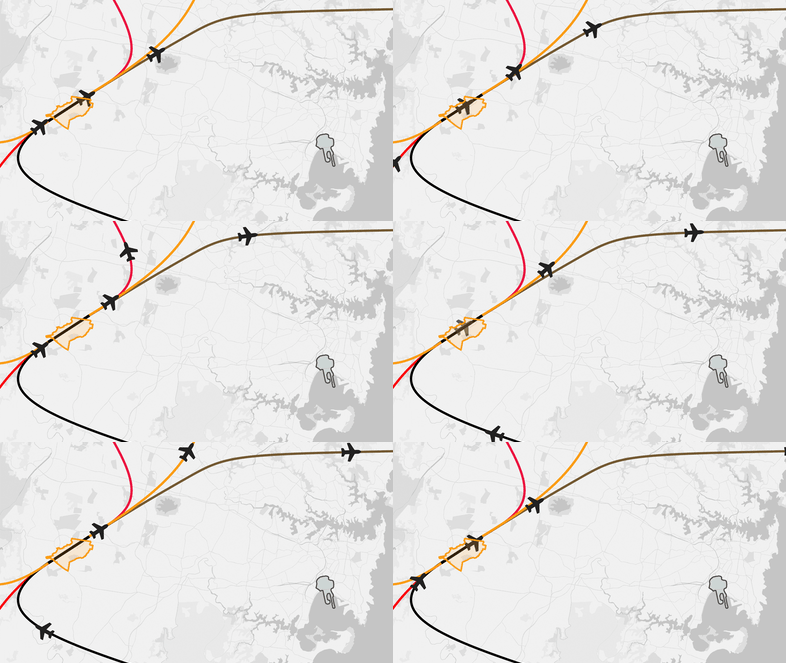
‘Slow burn’: Western Sydney Airport’s real challenge awaits after launch
A lot of what happens next for Sydney’s newest airport depends on how much underlying demand is not being met by capacity-constrained Sydney Kingsford Smith.

The gym junkie tech boss whose company sustained a $3 billion wipeout
The fortunes of data centre business NextDC took a massive dive this week when its massive expansion plans hit a power pole in suburban Melbourne.

The prince’s bet on Trump is blowing up in his face
Saudi Arabia’s crown prince Mohammed bin Salman made a few big gambles as he rose to power, including one on Donald Trump.

ASX Runners of the Week: Energy Technologies, RAS Tech & Tambourah
The Bulls N’ Bears ASX Runner of the Week is… Energy Technologies, after it inked a potential US$10 million deal with an Israeli defence giant for its next-gen laser technology smart glasses.

Eddie McGuire no longer hosting a footy show on Nine
McGuire has been a central figure of AFL coverage on Nine for decades but won’t have an on-screen footy role for the network in 2027.

Cap Raise Crucible: Gold books, big fees and bruised punters
Argonaut led $225m of gold raisings; however, Wiluna plunged 22.3%. With eight of our ten featured stocks underwater, brokers’ fees and options stole the Cap Raise Crucible spotlight.

Big Hits: Rapid Critical Metals, Benz Mining, Encounter Resources
Big Hits looks at notable drill intercepts reported to the ASX this week, led by Rapid Critical Metals in NSW, with runners-up Benz Mining and Encounter Resources in WA.
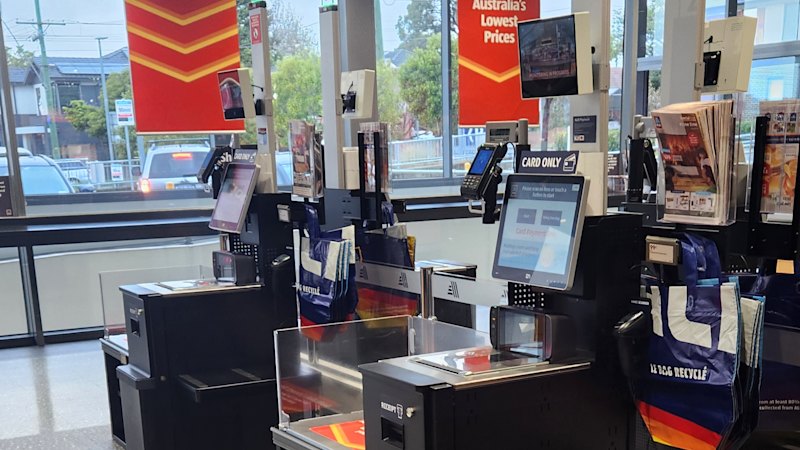
‘Watch out, I’ll wait for you outside’: Aldi repealed self-serve checkout policy that fuelled abuse, threats
Aldi has repealed its policy of mandatory bag checks that became a lightning rod of frustration for shoppers and staff.
YOUR NEWS, OUR NETWORK.
Do you have Great News you want to tell the world?
Be it updates about your business or your community, you can make sure that it’s heard by submitting your story to our network reaching hundreds of news sites across 6 verticals.