
Jeffrey Lamoureaux Highlights Why Retaliation Concerns Should Be Addressed as Soon as They Surface
Oct 24, 2026
Auburn, Alabama Oct 23, 2026 (Issuewire.com) - Resolving an initial workplace or institutional complaint does not necessarily mean an organization's responsibility to pay attention has ended. According to civil rights investigator Jeffrey Lamoureaux, what happens after a complaint is made can sometimes create an entirely new issue that requires its own careful review.
Retaliation concerns can surface during an investigation or after the original matter has concluded. An employee might report a sudden change in responsibilities, a student may raise concerns about treatment after a complaint, or a witness may believe their participation in an investigation led to different treatment.
Lamoureaux, owner of CIXE Investigations, has conducted more than 1,000 investigations during his career. His work includes Title IX and civil rights matters as well as workplace complaints involving discrimination, harassment, retaliation, whistleblower concerns, and employee misconduct.
"An organization might be concentrating on whether the original allegation occurred while something new is happening in the background," Lamoureaux said. "If someone comes forward and says, 'Since I participated in this process, my supervisor has changed my schedule and removed responsibilities I previously had,' that deserves attention. It does not automatically establish retaliation, but it gives the organization a new set of facts to evaluate."
Organizations Need a Clear Way to Report New Concerns
Lamoureaux recommends that organizations make it clear how employees, students, witnesses, and other participants can report concerns that arise after an initial complaint.
That is particularly important because someone experiencing a new issue may assume it is already covered by the existing investigation. The organization, meanwhile, may have no idea anything else has happened.
"People need to know where to go if the situation changes," Lamoureaux said. "If the original complaint was made two months ago and the person now believes something different is happening because they made that complaint, I would not want them assuming that investigators somehow already know about it."
Once a new concern is reported, the organization can determine how its policies and procedures require it to be handled. Depending on the circumstances, that could mean expanding an existing investigation, beginning a separate review, or taking another appropriate step.
Lamoureaux cautions against informally adding a retaliation allegation to an existing investigation without first considering its scope. New allegations may involve different events, witnesses, documents, decision-makers, and applicable policies.
Timing Matters, But It Does Not Answer the Question
A retaliation allegation can draw immediate attention when an adverse or concerning event happens shortly after a complaint. Lamoureaux says timing can be an important piece of an investigation, but it should be treated as one piece rather than the entire answer.
Consider an employee who receives a poor performance review shortly after filing a complaint. An investigator may need to determine whether the performance concerns existed before the complaint, when they were first documented, who made the decisions involved, and whether similar standards were applied to other employees.
"If I see that something changed two weeks after a complaint, I am going to want to understand that timing," Lamoureaux said. "But I also want to know what was happening two months earlier. If the supervisor had already documented the same performance issue several times before the complaint, that context matters. If the concern appears for the first time afterward, that is also something I would want to examine."
For that reason, organizations should preserve relevant records from both before and after the original complaint. Depending on the circumstances, those records might include schedules, assignments, performance documentation, emails, meeting records, disciplinary materials, or other information relevant to the later allegation.
Managers Still Have to Manage
An ongoing complaint does not mean normal workplace management stops.
Supervisors may still need to make staffing decisions, address performance issues, change schedules, assign work, or respond to business needs. Lamoureaux recommends that organizations continue making legitimate management decisions while being thoughtful about consistency and documentation.
A manager should be able to explain why a decision was made and, where appropriate, point to the information supporting it.
The goal is not to create unnecessary paperwork around every interaction with an employee who has filed a complaint. Instead, clear records can help an organization understand what actually occurred if questions arise later.
The Original Outcome Does Not Automatically Resolve a Later Concern
Lamoureaux also cautions organizations against dismissing a retaliation concern simply because the original complaint did not result in a policy violation finding.
The later allegation involves its own facts and should be considered under the organization's applicable policies and procedures.
"If an organization finishes the first investigation and concludes that the original allegation was not substantiated, that does not mean it should automatically disregard something that allegedly happened afterward," Lamoureaux said. "The better question is whether the new information needs to be reviewed on its own facts."
That distinction is one reason Lamoureaux encourages organizations to think beyond the immediate investigation when developing complaint procedures.
An effective process should address not only how a complaint is received and investigated, but also what happens when circumstances change.
"The original complaint may have started the process, but it may not be the last issue the organization has to address," Lamoureaux said. "Paying attention to what happens next gives the organization a better opportunity to respond before a new concern becomes a much larger problem."
About Jeffrey Lamoureaux
Jeffrey Lamoureaux owns CIXE Investigations and is a nationally recognized Title IX and civil rights investigator, hearing officer, trainer, and consultant. He has conducted more than 1,000 investigations and provides investigative and professional services involving Title IX, civil rights compliance, workplace concerns, and related matters. Lamoureaux also trains investigators, hearing officers, Title IX coordinators, and other professionals who manage fair and effective institutional processes.
Source :Jeffrey Lamoureaux
This article was originally published by IssueWire. Read the original article here.
More News

Shares end week down as oil price, AI doubts hit miners
Australia’s sharemarket has snapped a three-week winning streak after surging oil prices and tremors in the artificial intelligence narrative hammered resource stocks.

I spent thousands on a ‘potentially dangerous’ marathon. I’d do it again
I fell short of my goal and blew my budget. But here’s how joggers like me are keeping the economy running.

Collingwood’s The Vine Hotel looking for new owner in $4m sale
The last of the Melbourne pubs embroiled in the spectacular collapse of Jon Adgemis’ Public Hospitality Group is up for grabs.

Catholic Church seeking $18m windfall for inner west uni site
The Catholic Church is testing the market with a heritage sale, while the White Fox online business “glows up” from being a tenant to landlord.
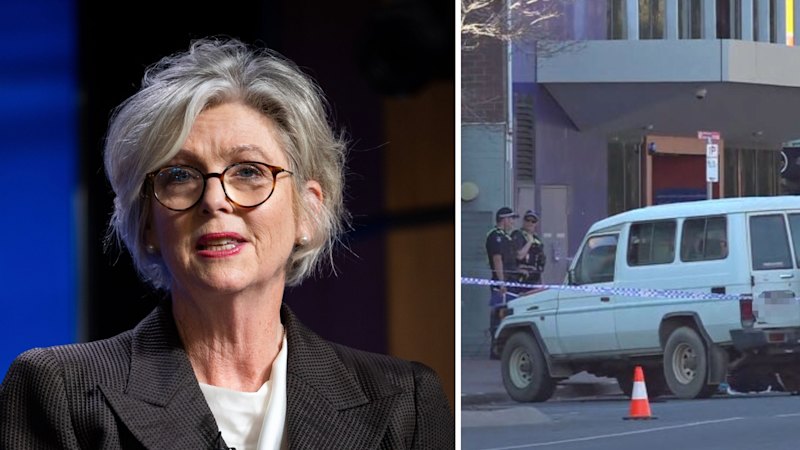
How the News Corp tabloids lifted Seven’s harrowing exclusive
News Corp outlets were lightning fast in reporting the attack on Helen Haines after 7News Melbourne broke the news. How did they confirm it so quickly?

The men at work call each other ‘mate’. Why does it make me uncomfortable?
I think your nagging concern about this situation is something felt by many people at work, especially when they know their colleagues are not being malicious.
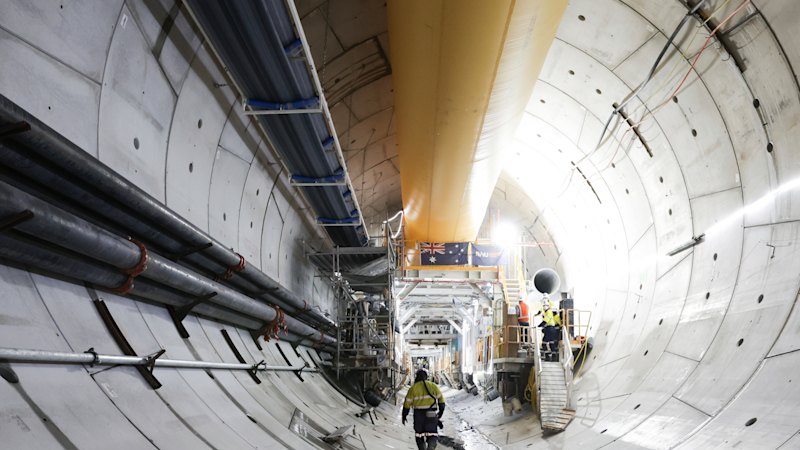
‘Incredibly disappointing’: Snowy 2.0 cost blows out to $25b in biggest setback yet
The cost of the Commonwealth government’s Snowy 2.0 mega-project has exploded from an estimated $6 billion to $25 billion.

ASX retreats as energy shares slump; Nick Scali tanks; Westpac axes jobs
The Australian sharemarket declined on Thursday, as shares in furniture retailer Nick Scali plummeted after a profit warning.
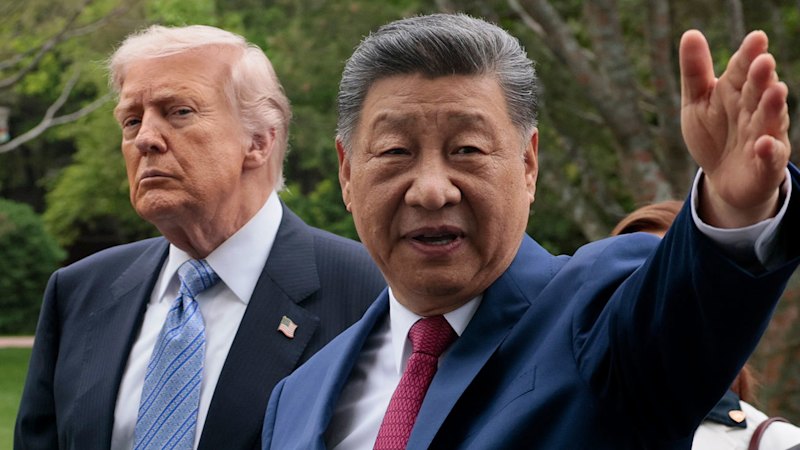
If you feel like everything’s falling apart, you’re probably right
Trump’s erratic White House, Putin’s aggression, China’s mercantilism, globe-affecting wars, rising debt levels and skyrocketing costs of living – it’s one toxic global cocktail.
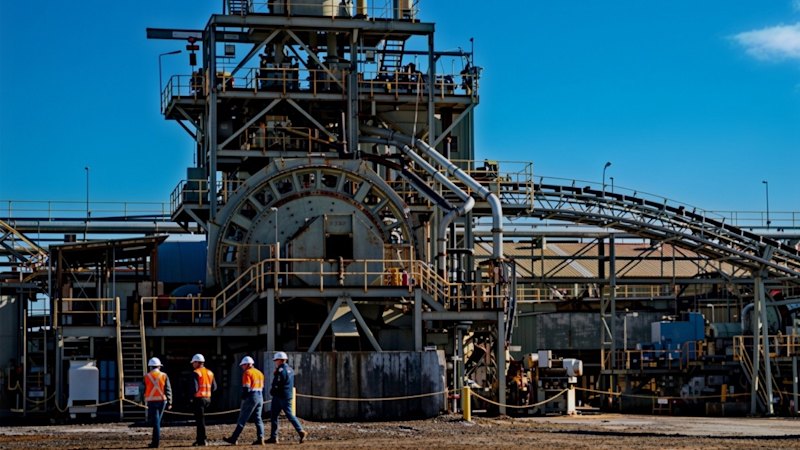
Zenith bid goes unconditional as Forrestania builds WA gold stockpile
Forrestania Resources has declared its Zenith Minerals takeover bid unconditional, clearing the decks for a bigger WA gold business as it snaps up 400,000 tonnes of ore feed from Star Minerals.

China iron ore stoush puts Australian mines in the firing line
One of Australia’s biggest mining companies warns deadlocked price talks with Beijing over iron ore prices may force production cuts by the year’s end.
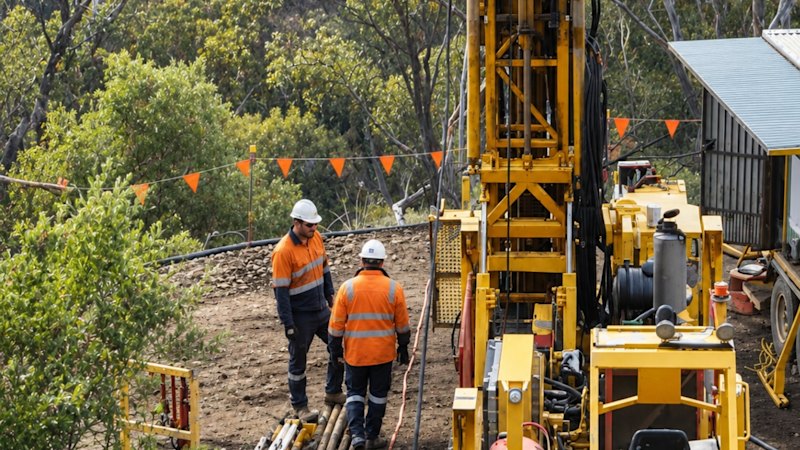
Kuniko goes deep to light up NSW polymetallic riches
Kuniko has deployed a downhole electromagnetic probe at its Commonwealth-Silica Hill project in NSW, hunting extensions to its recent ultra-high-grade gold-silver discovery.
YOUR NEWS, OUR NETWORK.
Do you have Great News you want to tell the world?
Be it updates about your business or your community, you can make sure that it’s heard by submitting your story to our network reaching hundreds of news sites across 6 verticals.