
Smartphone Indoor Navigation Systems Use Downlink UWB for Accurate Positioning
Oct 24, 2026
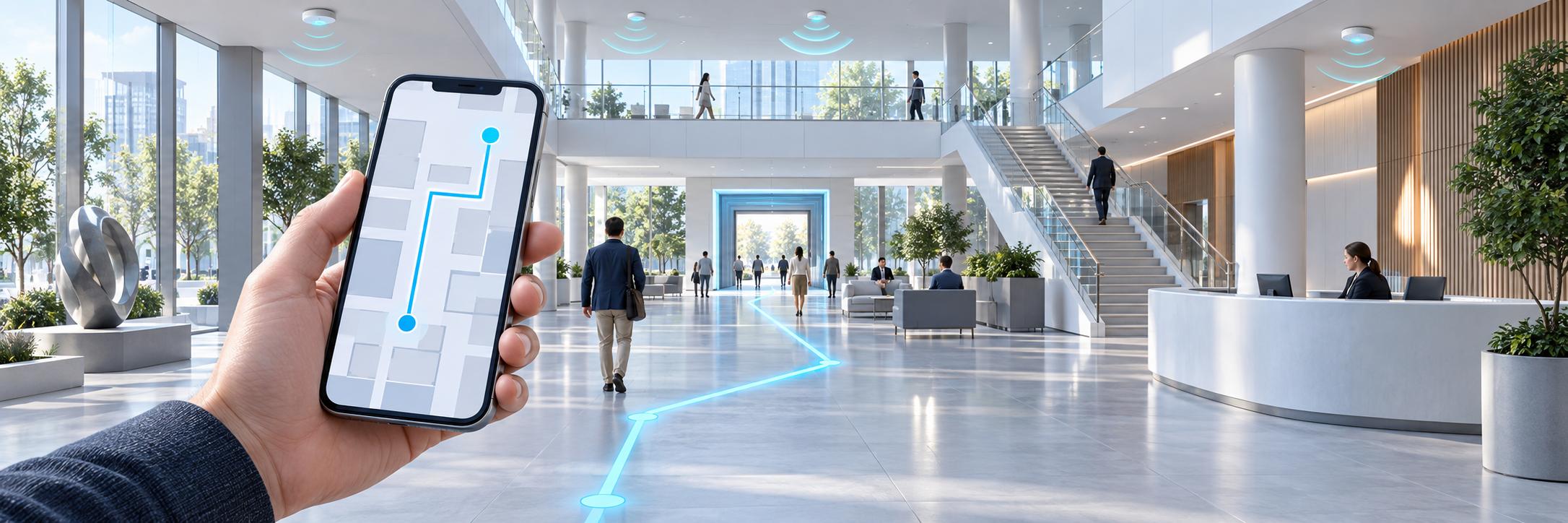
Chengdu, Sichuan Oct 23, 2026 (Issuewire.com) - An indoor navigation system guides users to destinations inside buildings where satellite positioning cannot provide the required detail. EFORTHINK uses compatible UWB-enabled smartphones, synchronized anchors, maps, and route guidance. The indoor navigation system lets the phone act as the positioning terminal without a separate visitor tag.
How downlink positioning works
The indoor navigation system uses DL-TDoA, or Downlink Time Difference of Arrival. Fixed synchronized UWB anchors transmit signals, and a compatible smartphone receives them and uses arrival-time differences to calculate its position locally.
Indoor mapping and navigation algorithms turn those coordinates into guidance. The indoor navigation system supports continuous positioning, multi-floor routing, point-of-interest recognition, and arrival detection.
Because anchors broadcast downlink signals, the indoor navigation system avoids a separate two-way ranging exchange with each phone for positioning. This architecture supports public spaces with many concurrent users.
Select compatible smartphones
The indoor navigation system supports suitable iOS and Android devices. Compatibility depends on phone model, regional hardware, operating system, and the application integration.
A UWB chip alone does not establish that a phone can use the indoor navigation system. Define the supported devices and application configuration at the start of the project so visitors receive the intended positioning experience.
Match positioning to destinations
EFORTHINK's indoor navigation system supports 30 cm-level positioning under suitable deployment conditions. Achieved accuracy depends on anchor layout, building conditions, and the supported smartphone configuration.
UWB indoor positioning supports guidance to stores, exhibition booths, seats, parking spaces, and other mapped destinations. The indoor navigation system combines positioning with destination data rather than treating a coordinate alone as a complete route.
Design maps and routing together
Map entrances, vertical transport, destination access points, and the paths available to users. An indoor navigation system needs consistent map coordinates and route information across floors and connected areas.
Define how destination changes and unavailable routes are handled in the application. Check the indoor navigation system along normal journeys, including corners, floor changes, and arrivals at closely spaced destinations.
Connect spatial services
SDKs and APIs connect the indoor navigation system with spatial platforms and venue applications for UWB navigation and indoor location services. Arrival at a defined point of interest can connect location with the appropriate digital service or content.
In hospitals, the indoor navigation system supports healthcare wayfinding to departments, examination rooms, pharmacies, wards, and service points. Connections with appointment or queue systems use their workflow records to identify the next destination.
Define location-data use
The indoor navigation system uses phone-side reception and local positioning calculation. Applications still need clear rules for permissions, data collection, access, and the use of any shared location information.
EFORTHINK provides UWB infrastructure and navigation capabilities for museums, commercial complexes, transportation hubs, exhibition centers, hospitals, and large venues. Share your maps, priority destinations, supported app platforms, and integration requirements to plan an indoor navigation system for the venue.
Source :eforthink Technology Co., Ltd.
This article was originally published by IssueWire. Read the original article here.
More News

Shares end week down as oil price, AI doubts hit miners
Australia’s sharemarket has snapped a three-week winning streak after surging oil prices and tremors in the artificial intelligence narrative hammered resource stocks.

I spent thousands on a ‘potentially dangerous’ marathon. I’d do it again
I fell short of my goal and blew my budget. But here’s how joggers like me are keeping the economy running.

Collingwood’s The Vine Hotel looking for new owner in $4m sale
The last of the Melbourne pubs embroiled in the spectacular collapse of Jon Adgemis’ Public Hospitality Group is up for grabs.
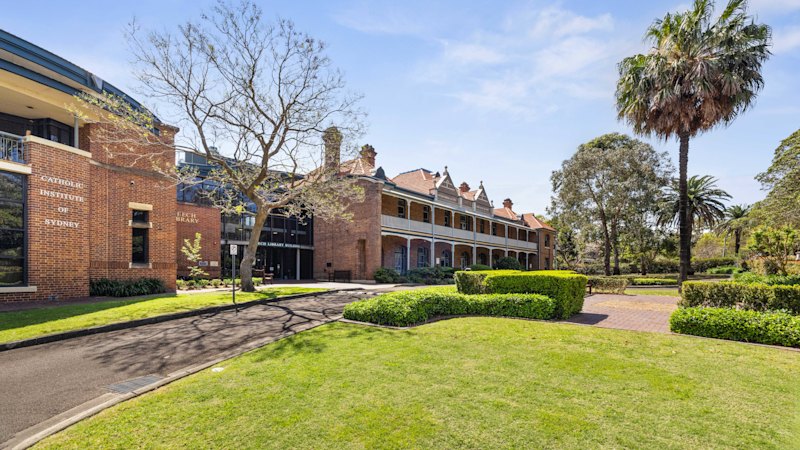
Catholic Church seeking $18m windfall for inner west uni site
The Catholic Church is testing the market with a heritage sale, while the White Fox online business “glows up” from being a tenant to landlord.

How the News Corp tabloids lifted Seven’s harrowing exclusive
News Corp outlets were lightning fast in reporting the attack on Helen Haines after 7News Melbourne broke the news. How did they confirm it so quickly?

The men at work call each other ‘mate’. Why does it make me uncomfortable?
I think your nagging concern about this situation is something felt by many people at work, especially when they know their colleagues are not being malicious.
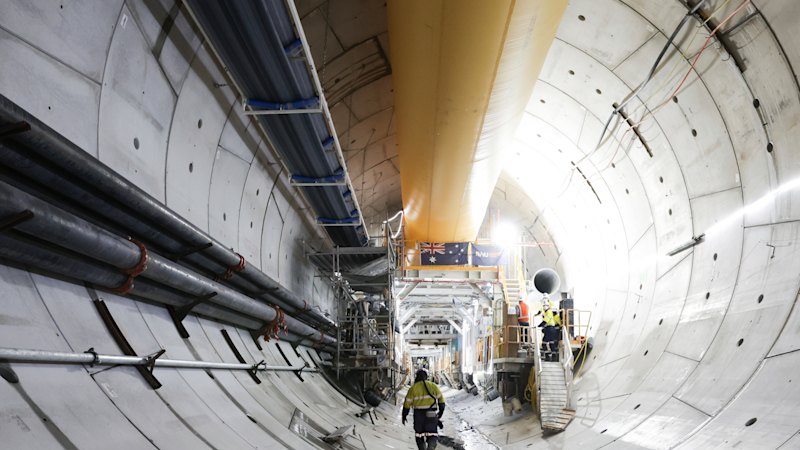
‘Incredibly disappointing’: Snowy 2.0 cost blows out to $25b in biggest setback yet
The cost of the Commonwealth government’s Snowy 2.0 mega-project has exploded from an estimated $6 billion to $25 billion.

ASX retreats as energy shares slump; Nick Scali tanks; Westpac axes jobs
The Australian sharemarket declined on Thursday, as shares in furniture retailer Nick Scali plummeted after a profit warning.

If you feel like everything’s falling apart, you’re probably right
Trump’s erratic White House, Putin’s aggression, China’s mercantilism, globe-affecting wars, rising debt levels and skyrocketing costs of living – it’s one toxic global cocktail.
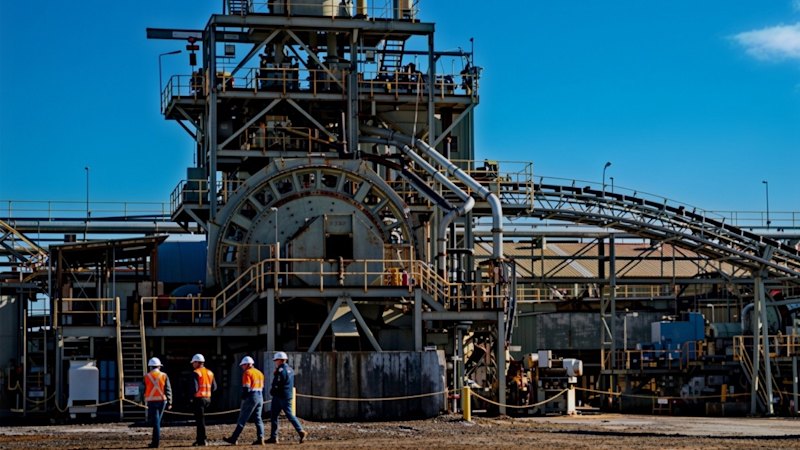
Zenith bid goes unconditional as Forrestania builds WA gold stockpile
Forrestania Resources has declared its Zenith Minerals takeover bid unconditional, clearing the decks for a bigger WA gold business as it snaps up 400,000 tonnes of ore feed from Star Minerals.
China iron ore stoush puts Australian mines in the firing line
One of Australia’s biggest mining companies warns deadlocked price talks with Beijing over iron ore prices may force production cuts by the year’s end.
Kuniko goes deep to light up NSW polymetallic riches
Kuniko has deployed a downhole electromagnetic probe at its Commonwealth-Silica Hill project in NSW, hunting extensions to its recent ultra-high-grade gold-silver discovery.
YOUR NEWS, OUR NETWORK.
Do you have Great News you want to tell the world?
Be it updates about your business or your community, you can make sure that it’s heard by submitting your story to our network reaching hundreds of news sites across 6 verticals.