
U.S. Advances Factory-Built Housing Innovation, Highlighting Modular and Light Steel Buildings
Oct 24, 2026
Huizhou, Guangdong Oct 23, 2026 (Issuewire.com) - October 22, 2026 | Huizhou, Guangdong, China
On October 7, 2026, the U.S. Department of Housing and Urban Development (HUD) announced its Next Generation Manufactured Housing Action Plan, outlining initiatives to modernize energy efficiency standards for manufactured housing, explore design and construction approaches that do not rely on permanent chassis, and clarify requirements related to foundations, anchoring, and installation.
According to HUD, the plan also includes exploring a performance-based code framework for larger manufactured housing buildings and developing guidance resources for off-site construction businesses operating within the relevant federal regulatory framework.
The announcement represents a policy initiative focused on the development of factory-built housing. It does not mean that all proposed changes have been finalized or have immediately taken effect. Nor does it automatically grant U.S. market approval to all modular buildings, container houses, or imported prefabricated homes.
Official source: U.S. Department of Housing and Urban Development -- Next Generation Manufactured Housing Action Plan
Factory-Built Construction and Project Requirements
As the construction industry explores ways to improve housing supply, organize construction activities more efficiently, and optimize factory production, prefabricated construction has become an option for residential and other building projects.
Unlike construction methods that rely primarily on on-site work, factory-built systems allow some building components or construction processes to be completed in a manufacturing facility before being transported to the project site for assembly or installation.
This approach can provide alternative ways to organize project delivery. However, its practical benefits depend on building design, manufacturing capacity, logistics, foundation work, site conditions, and local approval requirements.
For property developers and construction contractors, evaluating prefabricated building solutions involves more than comparing product prices. Building use, service-life expectations, transportation costs, installation conditions, technical documentation, and applicable local regulations should also be considered.
Modular Buildings for Residential and Commercial Applications
Modular buildings can serve a variety of applications depending on their design, configuration, and intended use. These include residential housing, worker accommodation, construction camps, site offices, hotels, resorts, and other commercial and industrial facilities.
Different building systems offer different structural configurations and installation methods. Detachable container houses and flat-pack container houses can support projects requiring standardized products and on-site assembly. Quick-assembly container houses may be suitable for temporary accommodation and supporting facilities, depending on their specifications. Expandable container houses provide additional interior space through their designed expansion systems.
For projects involving large numbers of accommodation units, developers should evaluate layout requirements, occupant capacity, fire safety and evacuation provisions, foundation conditions, transportation arrangements, and installation schedules. Product suitability must be determined according to the project design and applicable local requirements.
Light Steel Housing: Structural Design, Insulation, and Compliance
In addition to modular container buildings, light steel construction is an important approach to prefabricated housing and modern building systems.
Light steel houses commonly use cold-formed steel framing as their primary structural system. Depending on the design, they can be used for detached houses, light steel villas, and other prefabricated building applications.
Factory fabrication can help coordinate component production before delivery to the construction site. However, the building's actual performance depends on the complete structural design, material specifications, connections, and construction quality.
For international projects, light steel housing systems should be evaluated against the requirements of the project location and intended use. Key considerations include:
-
Structural safety: Load calculations, wind loads, connection details, foundations, and anchoring systems.
-
Thermal performance and energy efficiency: Wall and roof insulation, window and door performance, and thermal bridge control in accordance with local requirements.
-
Fire safety and durability: Fire performance, material properties, corrosion protection, and exposure conditions.
-
Technical documentation: Structural drawings, steel material certificates, engineering calculations, material specifications, and relevant test reports, as required by the project.
-
Local approvals: Building permits, applicable codes, product assessment pathways, and responsibilities for local design and installation.
The HUD manufactured housing framework does not automatically apply to every light steel house. The relevant design and approval requirements must be determined according to the building category, project location, and applicable regulations.
Coordinating Building Systems, Transportation, and Local Regulations
For international developers, construction contractors, and importers, selecting a factory-built building solution should not depend solely on the initial purchase price.
Floor area, intended occupancy, climate conditions, transportation distance, foundation construction, local installation capabilities, and maintenance requirements can all influence overall project costs and delivery arrangements.
During early project planning, buyers should define the intended building use, required quantities, dimensions, specifications, material configurations, expected service life, and local approval conditions. Manufacturers, design teams, and local construction professionals can then coordinate the proposed solution.
For cross-border supply projects, it is also important to clarify which technical documents the manufacturer already has, which documents may need further preparation, and which assessments or approvals must be completed by qualified local professionals.
YSHUN Provides Modular Building and Prefabricated Light Steel Housing Solutions
To address different building requirements across international markets, YSHUN offers a range of modular building and prefabricated housing products, including detachable container houses, flat-pack container houses, quick-assembly container houses, expandable container houses, modular accommodation buildings, and prefabricated light steel houses.
Depending on project design and intended use, these products can support worker accommodation, construction camps, site offices, residential developments, hotels, resorts, and other commercial and industrial facilities.
YSHUN focuses on factory manufacturing, standardized product configurations, and project supply coordination. Based on customer requirements, including intended use, dimensions, quantities, material configurations, transportation conditions, and installation arrangements, the company can help evaluate suitable product options.
For overseas projects, YSHUN can provide available structural parameters, configuration information, engineering calculations, and test reports according to specific requirements and document availability.
When projects involve particular national or regional building codes, material standards, or compliance documentation, these requirements must be checked individually. General product documentation should not be treated as equivalent to local building approval or certification of an entire building.
As international markets continue to explore factory-built construction and modern building methods, YSHUN aims to support overseas customers with modular building products, prefabricated housing solutions, and project supply coordination.
Explore YSHUN's Products and Solutions:
-
Product Catalog: https://www.yashunhouse.com/products/
-
Modular Building Guide: https://www.yashunhouse.com/modular-buildings-2026/
-
Official Website: https://www.yashunhouse.com/
About YSHUN
Guangdong Yashun Housing Technology Co., Ltd. (YSHUN) is a manufacturer of modular buildings and prefabricated housing solutions. Its product range includes container houses, modular accommodation buildings, and prefabricated light steel houses for international residential, commercial, industrial, and temporary accommodation projects.
Media Contact
Guangdong Yashun Housing Technology Co., Ltd.
Chenglong Lin
N7-N10, 2F, Building 6, No. 6 Taixin Road, Taimei Town, Boluo County
Source :Guangdong Yashun Housing Technology Co., Ltd.
This article was originally published by IssueWire. Read the original article here.
More News

Shares end week down as oil price, AI doubts hit miners
Australia’s sharemarket has snapped a three-week winning streak after surging oil prices and tremors in the artificial intelligence narrative hammered resource stocks.

I spent thousands on a ‘potentially dangerous’ marathon. I’d do it again
I fell short of my goal and blew my budget. But here’s how joggers like me are keeping the economy running.
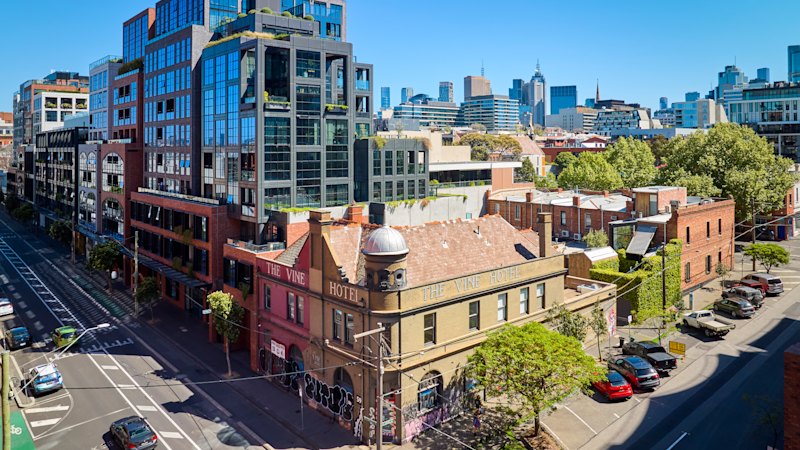
Collingwood’s The Vine Hotel looking for new owner in $4m sale
The last of the Melbourne pubs embroiled in the spectacular collapse of Jon Adgemis’ Public Hospitality Group is up for grabs.
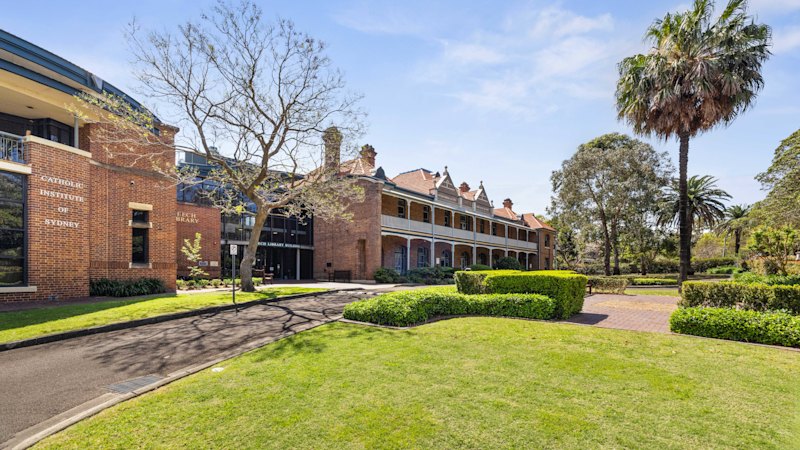
Catholic Church seeking $18m windfall for inner west uni site
The Catholic Church is testing the market with a heritage sale, while the White Fox online business “glows up” from being a tenant to landlord.

How the News Corp tabloids lifted Seven’s harrowing exclusive
News Corp outlets were lightning fast in reporting the attack on Helen Haines after 7News Melbourne broke the news. How did they confirm it so quickly?

The men at work call each other ‘mate’. Why does it make me uncomfortable?
I think your nagging concern about this situation is something felt by many people at work, especially when they know their colleagues are not being malicious.
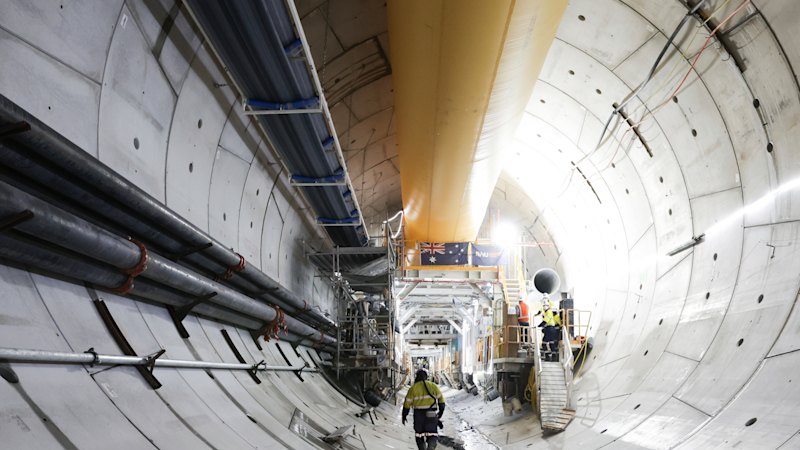
‘Incredibly disappointing’: Snowy 2.0 cost blows out to $25b in biggest setback yet
The cost of the Commonwealth government’s Snowy 2.0 mega-project has exploded from an estimated $6 billion to $25 billion.

ASX retreats as energy shares slump; Nick Scali tanks; Westpac axes jobs
The Australian sharemarket declined on Thursday, as shares in furniture retailer Nick Scali plummeted after a profit warning.

If you feel like everything’s falling apart, you’re probably right
Trump’s erratic White House, Putin’s aggression, China’s mercantilism, globe-affecting wars, rising debt levels and skyrocketing costs of living – it’s one toxic global cocktail.
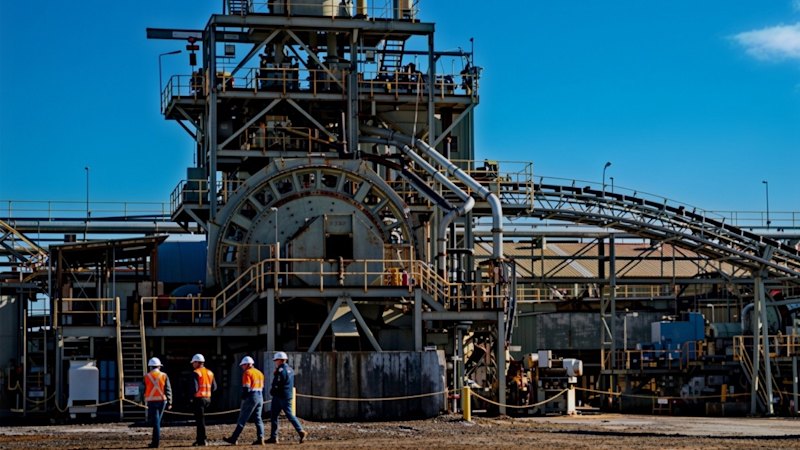
Zenith bid goes unconditional as Forrestania builds WA gold stockpile
Forrestania Resources has declared its Zenith Minerals takeover bid unconditional, clearing the decks for a bigger WA gold business as it snaps up 400,000 tonnes of ore feed from Star Minerals.
China iron ore stoush puts Australian mines in the firing line
One of Australia’s biggest mining companies warns deadlocked price talks with Beijing over iron ore prices may force production cuts by the year’s end.
Kuniko goes deep to light up NSW polymetallic riches
Kuniko has deployed a downhole electromagnetic probe at its Commonwealth-Silica Hill project in NSW, hunting extensions to its recent ultra-high-grade gold-silver discovery.
YOUR NEWS, OUR NETWORK.
Do you have Great News you want to tell the world?
Be it updates about your business or your community, you can make sure that it’s heard by submitting your story to our network reaching hundreds of news sites across 6 verticals.